
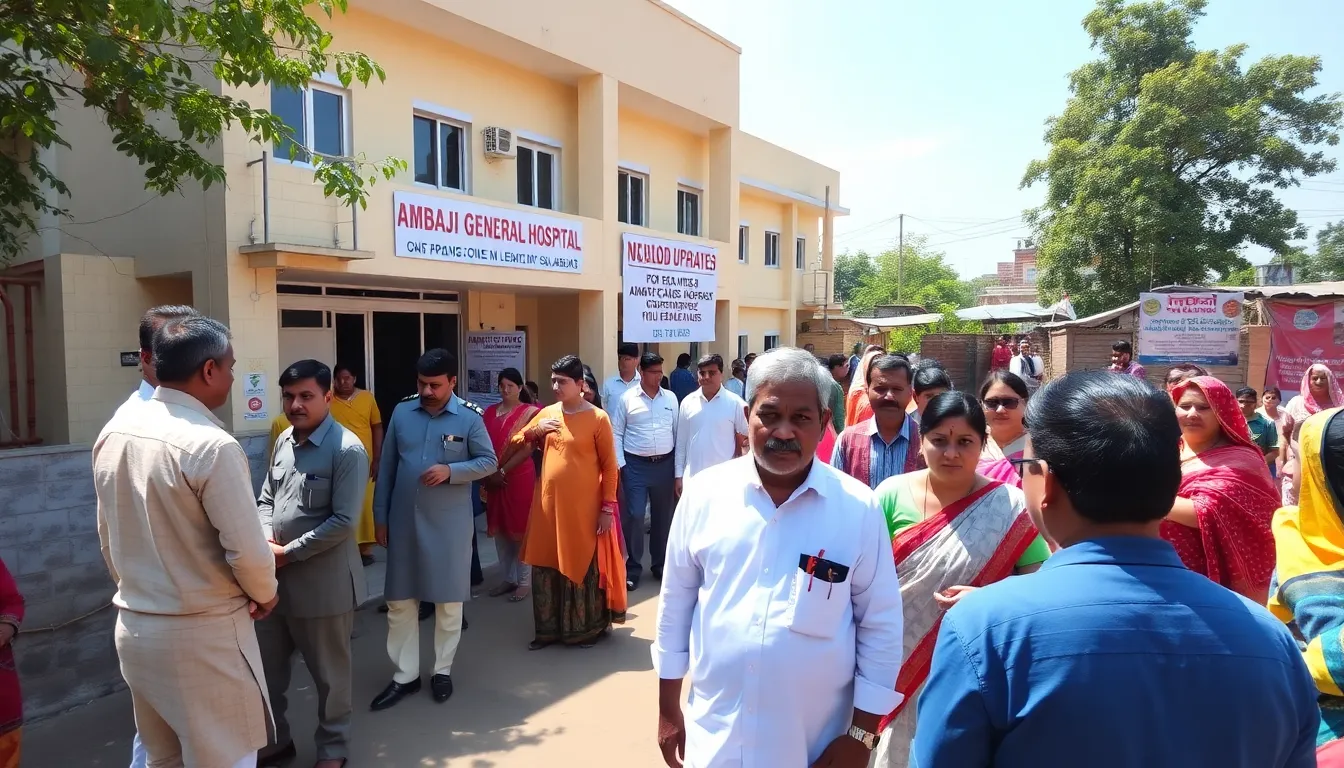
Ambaji General Hospital in Banaskantha district has doubled its bed capacity from 50 to 100, a government-approved upgrade effective from May 2024. This expansion addresses the increasing patient inflow in the region, where the hospital is the primary healthcare provider. The decision came after persistent demands from hospital authorities and local political representatives who highlighted the urgent need for enhanced medical facilities in Ambaji, a town known for its religious tourism and tribal population.
3 Key Announcements in Hospital Upgradation
The government has sanctioned the following major improvements for Ambaji General Hospital:
- Bed Capacity Increase: From 50 to 100 beds to accommodate rising patient numbers.
- New Dialysis Unit: A dialysis unit has been installed, which is vital for treating chronic kidney patients, especially tribal women who experience complications during childbirth.
- Blood Bank Establishment: A dedicated blood storage and blood bank unit has been set up within the hospital premises, eliminating previous delays caused by reliance on the Palanpur Civil Hospital for blood supply.
These improvements were inaugurated alongside a blood donation camp held on 10 June 2024, organized in collaboration with the Pathani Voluntary Blood Bank of Palanpur. The camp saw robust participation from hospital staff, local volunteers, and residents, highlighting community support for healthcare initiatives.
4 Political Factors Driving the Upgrade
The upgrade was championed by the Banaskantha district health authorities and local MLAs from the ruling Bharatiya Janata Party (BJP). Dr. Y.K. Makwana, Superintendent of Ambaji General Hospital, played a crucial role by submitting detailed proposals backed by patient data and community health needs. The state Health and Family Welfare Department approved the ₹3.5 crore budget for the expansion in early 2024. The opposition Congress party welcomed the upgrade but urged for further investments in rural health centers across Banaskantha to ensure equitable access.
Ambaji’s strategic position near the Rajasthan border and its annual influx of pilgrims necessitated a hospital with better emergency care capabilities. The hospital’s previous limitations often led to referrals to Palanpur Civil Hospital, located 60 kilometers away, causing treatment delays. The BJP government emphasized this upgrade as part of its commitment to improving healthcare infrastructure in border and tribal areas.
5 Reactions From Local Stakeholders
Dr. Makwana expressed optimism about the hospital’s enhanced ability to serve the local population, stating, “With the new facilities and increased bed strength, we can provide timely care and reduce patient referrals.” Local representatives, including Banaskantha MLA Hemaben Acharya, highlighted the importance of the dialysis unit for maternal health.
Community leaders and tribal representatives participated actively in the blood donation camp, reinforcing the role of public participation in healthcare. The Pathani Voluntary Blood Bank coordinator praised the collaboration, noting, “Such camps not only replenish blood stocks but also raise awareness about voluntary blood donation.”
6 What This Means for Gujarat Voters in Banaskantha
For voters in Ambaji and surrounding areas, this upgrade translates into better healthcare access without the need to travel long distances for specialist treatment or emergency services. This is particularly significant for tribal communities who face higher health risks and limited transport options. The hospital’s improved dialysis and blood bank services will directly benefit maternal and emergency care, impacting daily lives positively.
Furthermore, the government’s responsiveness to local demands may influence public perceptions ahead of future elections, with healthcare often a critical voter concern. Enhanced hospital capacity also supports the government’s broader agenda of strengthening rural and border district infrastructure.
7 Historical Context of Healthcare Development in Banaskantha
Banaskantha district, with over 31 lakh residents according to the 2011 Census, has historically faced challenges in healthcare access due to its largely rural and tribal demographics. The district’s largest government facility, Palanpur Civil Hospital, has been the referral center for smaller hospitals, including Ambaji. The upgrade marks a shift towards decentralizing healthcare services, aligning with Gujarat’s health policy goals initiated in 2017 to improve district-level health infrastructure.
Previous blood donation camps conducted in nearby districts, such as the Patan Muslim Community Organises Blood Donation Camp and Blood Donation Camp Held in Patan for World Blood Donation Day, have set precedents for community involvement in health services. Ambaji’s recent campaign continues this trend, fostering a culture of volunteerism and public health awareness.
Residents seeking to avail the upgraded services at Ambaji General Hospital can visit the hospital directly at Ambaji town, Banaskantha district, or contact the hospital administration at +91-2749-XXXXXX for appointment scheduling. For blood donors interested in participating in future camps, details and schedules are available on the official Banaskantha District Health Office website: banaskantha.nic.in/health.