
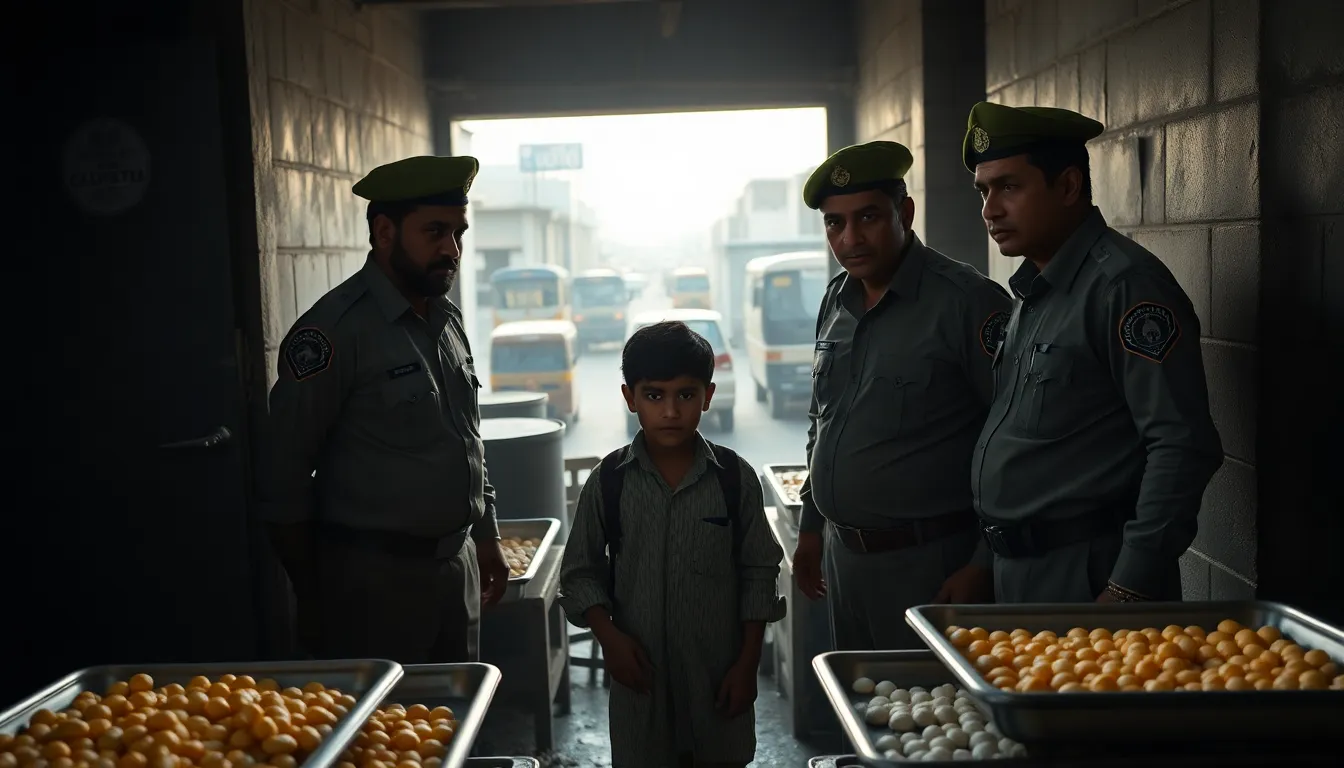
The recent rescue of a 10-year-old boy from child labour in Ahmedabad’s Naroda GIDC highlights a critical issue affecting vulnerable children across Gujarat. This intervention, conducted by the Ahmedabad District Task Force just days before World Child Labour Day, underscores the state’s ongoing efforts to eradicate child labour and protect children’s rights. The operation not only saved the boy but also signalled enhanced enforcement of child labour laws in the region.
What the Child Labour (Prohibition and Regulation) Act of 1986 Specifies
The Child Labour (Prohibition and Regulation) Act, 1986, is the primary legal framework governing child labour in India, enforced rigorously in Gujarat by the Labour Department and District Child Protection Units. The Act categorically prohibits the employment of children below 14 years of age in hazardous occupations, including manufacturing units such as sweet-making factories.
Key provisions relevant to the Ahmedabad rescue include:
- Prohibition: Employment of children under 14 in factories, mines, and hazardous processes is illegal.
- Regulation: Adolescents aged 14 to 18 can work only in non-hazardous industries and limited hours.
- Penalties: Factory owners violating these rules face fines and imprisonment under Sections 3 and 14 of the Act.
- Enforcement: District Task Forces, including labour inspectors and police, are empowered to conduct surprise raids and rescue children.
The Ahmedabad District Task Force, led by Assistant Labour Commissioner Jigar Patel, acted under these legal provisions to carry out the raid and initiate prosecution.
Who Is Affected and How Child Labour Impacts Gujarat’s Children
Children under 14 years, like the boy rescued in Naroda, are the most affected by child labour, particularly in industrial hubs such as Ahmedabad, Surat, and Vadodara. Child labour deprives them of education, exposes them to hazardous conditions, and perpetuates cycles of poverty. Adolescents aged 14 to 18, such as the 16-year-old found alongside the boy, are also vulnerable when employed in unsafe environments.
According to the Ahmedabad District Child Protection Unit, 51 adolescents and 26 children have been rescued from illegal labour activities over the past two years, with 39 criminal cases filed against offenders. These numbers reflect a persistent issue despite legal safeguards. The sectors where child labour is prevalent include small-scale manufacturing, domestic work, and informal trade.
Child labour adversely affects physical and mental health, disrupting normal childhood development. The rescued children are often placed in government-run centres like the Prayas Juvenile Aid Centre in Sarsanpur to receive counselling and education support.
Why the Gujarat Government Intensified Action Against Child Labour
The Gujarat government has intensified its crackdown on child labour following national directives and local advocacy. The approach aligns with the Ministry of Labour and Employment’s initiatives and the Gujarat State Child Protection Society’s mandate to safeguard children’s rights. The rationale includes:
- Legal Compliance: To enforce the Child Labour Act and align with the Juvenile Justice (Care and Protection of Children) Act.
- Education Goals: Ensuring all children attend school, contributing to the state’s literacy and development targets.
- Health and Safety: Preventing children from exposure to hazardous substances and unsafe work environments.
- Social Equity: Breaking the poverty cycle by protecting children’s childhood and future opportunities.
The Ahmedabad District Administration’s efforts include coordination between the Labour Department, Police, and Child Welfare Committees, supported by helpline 1098 to report violations. These actions also contribute to Gujarat’s broader social welfare objectives.
What Stakeholders and Critics Say About Child Labour Enforcement
While government agencies applaud the stricter enforcement, some critics argue that more systemic solutions are needed to address the root causes of child labour, such as poverty, lack of schooling facilities, and family economic pressures. Non-governmental organizations (NGOs) working in Ahmedabad and other districts emphasize:
- The need for greater awareness campaigns in rural and urban slums.
- Enhanced rehabilitation programs with sustained educational support.
- Stronger monitoring of factories and informal sectors beyond raids.
Factory owners, like the one in Naroda GIDC, face legal action but sometimes claim ignorance or economic necessity. However, the government stresses that economic hardship cannot justify child exploitation and that adult employment schemes should be strengthened.
What This Means for Ahmedabad Residents and How to Act
For residents of Ahmedabad and surrounding districts, this renewed focus on child labour enforcement means:
- Awareness: Recognize signs of child labour in neighbourhoods, factories, and shops.
- Reporting: Use the toll-free child helpline 1098 to confidentially report suspected child labour cases.
- Supporting Rehabilitation: Encourage rescued children’s reintegration through education and counselling at centres like Prayas Juvenile Aid Centre.
- Community Involvement: Participate in local child welfare committees or NGOs working against child labour.
Additionally, government schemes focused on poverty alleviation and education can indirectly reduce child labour. Ahmedabad residents can contribute by advocating for better enforcement and supporting vulnerable families.
For more information on regional social initiatives, readers can refer to related coverage such as Gujarat Cracks Down on Child Labour: Over 600 Children Rescued and local events like Child Labour Prevention Day Celebrated in Palanpur.
Statistics on Child Labour Rescues in Ahmedabad District
- 51 Adolescents aged 14-18 rescued in the last 2 years
- 26 Children under 14 years rescued from hazardous work
- 39 Criminal Cases filed against factory owners and employers
- 100% Coordination among police, labour officials, and child protection units during raids
These figures, as reported by the Ahmedabad District Child Protection Unit, emphasize the scale of enforcement and the need for continued vigilance.
Bottom Line: The rescue of child labourers in Ahmedabad is a decisive step toward protecting children’s rights and futures. Citizens must remain vigilant and report violations through helpline 1098 to ensure no child’s childhood is stolen by exploitative labour.