
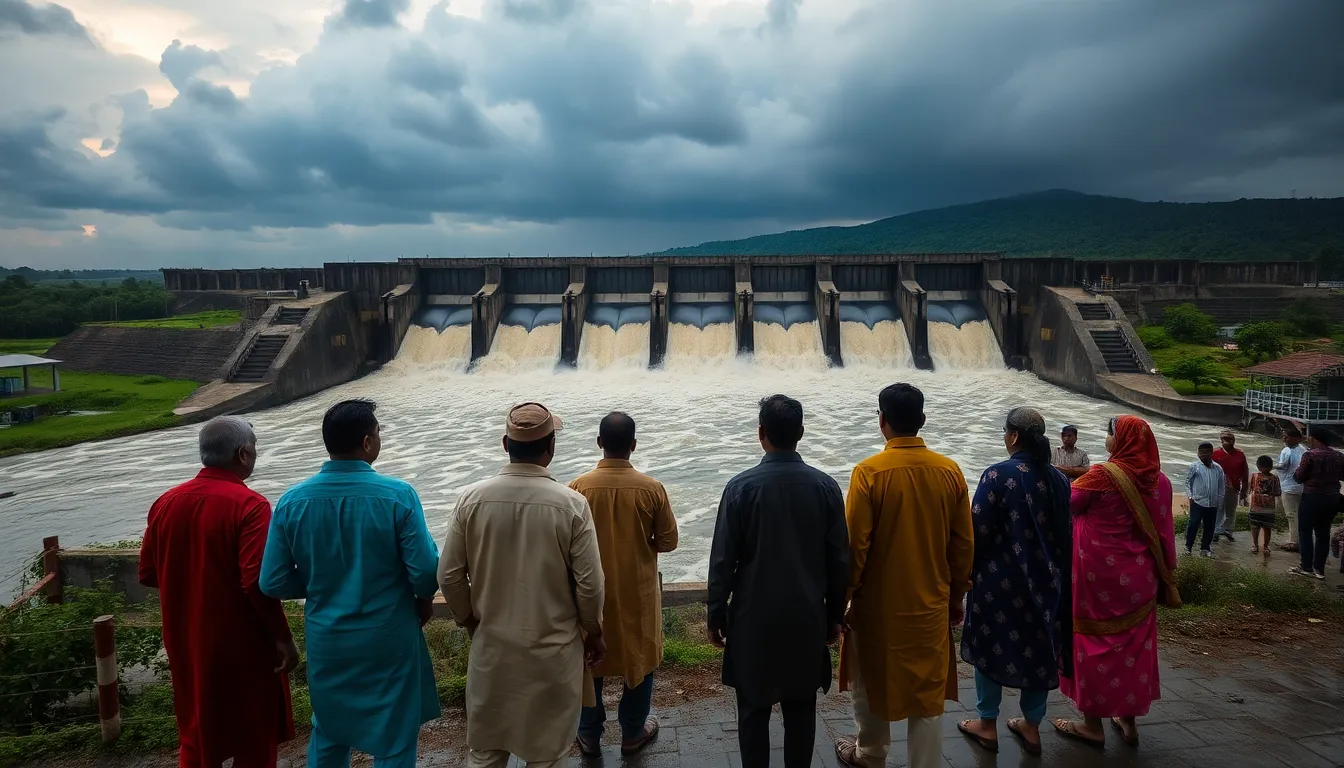
Halol taluka in Panchmahal district is witnessing continuous heavy rainfall, leading to a critical rise in water levels at the Dev Dam. On the evening of Tuesday, July 16, 2024, authorities opened four gates of the dam to regulate water flow and prevent potential overflow that could threaten nearby communities. This carefully managed water release is crucial for residents living along the Mahi River basin and surrounding villages.
What Do Residents Need to Know Before Taking Precautions?
Residents in the affected areas, especially those residing in the 11 villages of Vadodara district (including Waghodiya and Dabhoi talukas) and six villages in Halol, must stay informed about official advisories. These villages include Sonaviti, Rassagar, Gadi, and neighboring habitations. It is essential for residents to have access to emergency contacts, understand flood evacuation routes, and keep important documents and emergency kits ready. Local authorities advise that people living close to riverbanks should remain vigilant and avoid crossing flooded streams or roads.
Additionally, keeping a charged mobile phone and regularly checking updates from the Panchmahal District Disaster Management Authority (DDMA) and the Vadodara District Control Room is vital for timely alerts.
What Are the Step-by-Step Measures Taken by Authorities to Manage Dev Dam Water Levels?
- Monitoring Rainfall and Inflow: The Panchmahal district’s meteorological department recorded over 12 inches of rainfall in 48 hours, with significant upstream inflows from the Mahi River catchment area.
- Measuring Water Levels: The District Disaster Control Room reported the Dev Dam’s water level at 89.65 meters, approaching the maximum rule level of 89.7 meters.
- Gate Opening Decision: Based on dam safety protocols, two of the four gates were opened by 0.05 meters each to release approximately 349 cubic meters of water per second.
- Public Warning Issued: The Village Administration issued alerts to residents in vulnerable areas, emphasizing the risks of floodwaters and the need to stay away from riverbanks.
- Deployment of Officials: Local police, municipal authorities, and disaster response teams were deployed to monitor water levels and assist with evacuations if necessary.
- Continuous Monitoring: District Collector Bijal Shah directed officials to maintain 24/7 surveillance of the dam’s status and coordinate with state water resources departments.
What Important Details Should Residents Be Aware Of?
The water release from the Dev Dam is a controlled measure to balance upstream inflow and downstream safety. Residents should note:
- Water Release Capacity: The dam’s gates release an estimated 349 cubic meters per second, which may raise water levels downstream temporarily.
- Duration of Gate Opening: Gates will remain open as long as water levels exceed the safe threshold; updates will be provided by the Panchmahal DDMA.
- Safety Precautions: Avoid crossing flooded roads or rivers; use only officially designated evacuation routes.
- Emergency Helpline: Call 1077 for immediate assistance from the Disaster Management Authority.
Residents are also advised to stay alert to weather updates as the Indian Meteorological Department forecasts continued rainfall in the region for the next 48 hours.
What Are Common Questions About the Dev Dam Gate Opening?
- 1. Why are the Dev Dam gates opened during heavy rainfall?
- The gates are opened to regulate the dam’s water level and prevent overflow that could damage infrastructure or flood villages downstream.
- 2. How will the water release impact nearby villages?
- The controlled release raises river water levels downstream, which may cause temporary flooding in low-lying areas. Hence, residents near riverbanks should remain cautious.
- 3. What should residents do if flooding occurs?
- Residents should follow evacuation orders, move to higher ground, avoid crossing flooded areas, and contact local authorities or helpline 1077 for assistance.
What Tips Can Help Residents Stay Safe and Avoid Common Mistakes?
- Do Not Ignore Official Alerts: Always follow instructions from the Panchmahal DDMA and district authorities.
- Avoid Unnecessary Travel: Roads near the dam and downstream villages may be waterlogged or damaged.
- Prepare an Emergency Kit: Include essentials such as drinking water, medicines, important documents, and a flashlight.
- Keep Communication Lines Open: Share your location with family or neighbors and keep phones charged.
- Do Not Attempt to Cross Flooded Rivers or Bridges: This is a common cause of accidents during heavy rains.
For continuous updates on the heavy rainfall situation and dam management, residents can visit the official Gujarat Water Resources Department website at gujwater.gujarat.gov.in or contact the Panchmahal District Collector’s office at +91-2676-xxxxxx.
This rainfall and dam management situation is similar to recent events in Gujarat, including the Sant Sarovar Dam reaching full capacity amid heavy rainfall and waterlogging issues in Halol. Additionally, neighboring states like Madhya Pradesh have also opened dam gates to manage inflows, as detailed in Heavy Rain in Madhya Pradesh: Narmada Dam Gates Opened.
Residents are urged to remain vigilant as the monsoon progresses, follow official advisories, and prioritize safety. For emergencies, call the Disaster Management Authority helpline at 1077 immediately.