
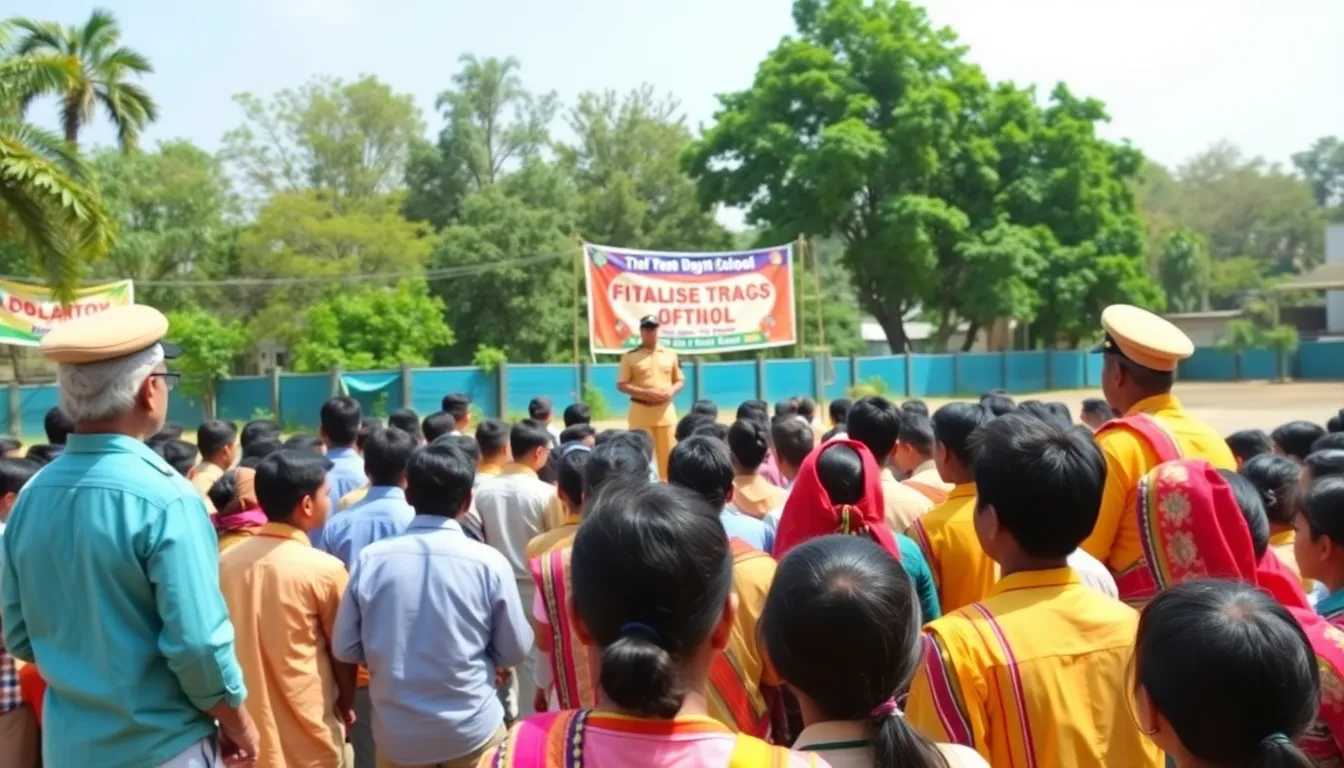
How does Disa Police effectively engage students and the community in combating drug abuse? By marking International Anti-Drug Day with targeted awareness programs and community collaboration, they provide clear guidance and impactful education to foster a drug-free lifestyle.
What You Need Before You Start Community Anti-Drug Initiatives
Launching a successful anti-drug awareness campaign, like the one held by Disa Police on June 26, requires thorough preparation and coordination with educational institutions and local authorities. Key requirements include:
- Official permissions and support: Coordination with the Disa Police Department, Banas Kantha District Police, and local school administrations such as Theravada High School.
- Resource materials: Educational pamphlets, presentations, and real-life case studies on drug abuse impacts.
- Qualified speakers: Police officials like IG Chirag Kordiya, DySP C.L. Solanki, and experts trained in addiction counseling.
- Engagement activities: Workshops, interactive discussions, and visual storytelling sessions to connect with students effectively.
- Community involvement: Inclusion of teachers, parents, and guardians to reinforce the message beyond school premises.
Step-by-Step Process to Organize an Effective Anti-Drug Awareness Program
- Identify target groups: Focus primarily on students in secondary and higher secondary schools, like the students at Theravada High School in Disa.
- Secure collaboration: Obtain support from district police officials such as Banas Kantha District Police Chief Akshayraj Makwana and local educational authorities.
- Develop educational content: Prepare presentations that cover the physical, emotional, and social consequences of drug abuse, incorporating real-life stories from Gujarat and India for relatability.
- Conduct training sessions: Train teachers and school staff on how to integrate anti-drug values into their daily interactions with students.
- Host interactive events: Organize workshops, Q&A sessions, and group discussions that encourage critical thinking about drug use consequences.
- Involve parents and community: Arrange meetings and distribute informational brochures urging guardians in Disa and surrounding Banas Kantha district to support youth in making healthy choices.
- Evaluate and follow up: Collect feedback from participants and plan future events to maintain momentum in drug prevention efforts.
Important Details About Anti-Drug Awareness Campaigns in Disa
The Disa Police’s initiative aligns with International Anti-Drug Day observed annually on June 26. This date was chosen by the United Nations to promote awareness globally.
Duration and frequency: Such events typically last a full school day, incorporating multiple sessions to cover various aspects of drug abuse. Disa Police plans to conduct these programs throughout the academic year across multiple schools.
Costs involved: The government funds these awareness campaigns through district police budgets; no fees are charged to schools or students. Educational materials and logistical expenses are supported by the Banas Kantha District Police and local NGOs.
Validity and impact: While the programs do not confer certifications, their goal is to instill lasting awareness and preventive behaviour in youth. Follow-up surveys conducted by the Disa Police indicate a measurable increase in students’ understanding of drug risks.
Common Questions Answered About Drug Awareness Initiatives
- Q: How can parents support these efforts at home?
Parents are encouraged to have open conversations about drug dangers and monitor their children’s activities. The Disa Police advises guardians to attend school meetings and use resources provided during campaigns. - Q: Are these programs repeated annually?
Yes. Disa Police aims to make anti-drug education a continuous effort, with annual events supplemented by periodic workshops throughout the year. - Q: How can local communities participate?
Communities can collaborate by hosting awareness sessions at community halls, supporting police outreach, and volunteering for educational drives.
Tips and Common Mistakes to Avoid When Promoting a Drug-Free Lifestyle
- Tip: Use relatable, local examples and testimonials to make the message resonate with Gujarat’s youth.
- Tip: Engage multiple stakeholders, including schools, police, parents, and NGOs, for a comprehensive approach.
- Mistake to avoid: Avoid one-time lectures without follow-up; sustained education is necessary for behaviour change.
- Mistake to avoid: Do not ignore cultural sensitivities; tailor programs to respect local traditions and languages, including Gujarati.
- Tip: Incorporate interactive activities rather than just lectures to keep students engaged.
The Disa Police’s International Anti-Drug Day initiative is a vital step in securing the health and future of Gujarat’s youth. For schools interested in hosting similar programs or parents seeking resources, contact the Disa Police at their office located near Disa Taluka headquarters or visit the official Gujarat Police website at www.gujaratpolice.gov.in.
Such community-driven efforts complement other significant cultural and health observances in Gujarat, such as the Gandhinagar International Yoga Day celebrations and public awareness campaigns documented on news.gujarat.in. These initiatives collectively promote a healthier, more conscious society across Gujarat’s districts.