
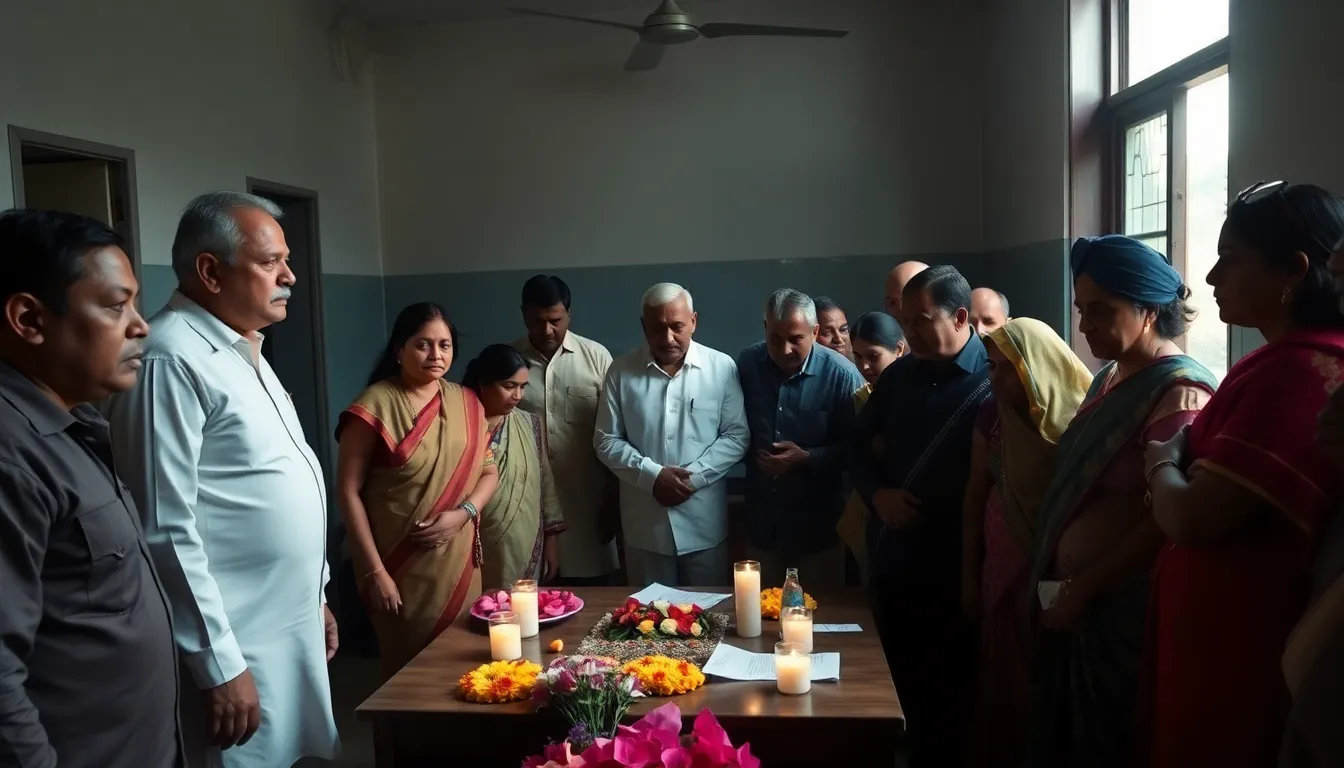
The recent confirmation of DNA matches for 32 victims of the Air India plane crash that occurred near Ahmedabad on June 12 marks a significant development for the families and communities affected across Gujarat. This advancement brings some closure to grieving families by enabling the return of bodies for proper last rites, an essential cultural practice in the region. It also underscores the extensive efforts by local authorities and medical institutions to manage one of the worst aviation disasters in Gujarat’s recent history. The identification process is not only critical for the victims’ families but also for the state’s administrative and disaster response mechanisms.
What Happened During the Air India Plane Crash in Ahmedabad
On June 12, an Air India flight destined for London tragically crashed shortly after taking off from Sardar Vallabhbhai Patel International Airport in Ahmedabad. The crash caused immense devastation, with only one passenger or crew member surviving. The accident site was immediately cordoned off by Ahmedabad district authorities, and rescue operations were coordinated by the Gujarat State Disaster Management Authority (GSDMA) in collaboration with the local police and Civil Hospital Ahmedabad.
Initial investigations pointed to technical issues combined with adverse weather conditions, but a formal inquiry is ongoing under the Directorate General of Civil Aviation (DGCA), headquartered in New Delhi. Emergency response teams retrieved remains from the crash site, which were transported to the Ahmedabad Civil Hospital for forensic examination and DNA testing.
Why It Matters for Gujarat and Its Residents
The confirmation of DNA matches for 32 victims has profound implications for Gujarat. The state has been deeply affected as the victims hailed from multiple districts, including Ahmedabad, Vadodara, Kheda, Aravalli, Botad, Mehsana, and even neighboring Rajasthan’s Udaipur district. For the families, this identification is crucial for closure and enables culturally significant funeral rites to proceed.
The tragedy has also highlighted the readiness and capacity of Gujarat’s emergency services and forensic institutions to handle mass casualty events. Dedicated teams comprising senior officials, police officers, and professional counsellors have been assigned to each affected family to provide emotional support and logistical assistance, a practice coordinated by the Ahmedabad Civil Hospital under Dr. Rajnish Patel’s supervision.
Politically, the crash has drawn attention as notable individuals, including relatives of former Gujarat Chief Minister Vijay Rupani, were among the victims. This has spurred calls within the state government and civil society for enhanced aviation safety protocols at Sardar Vallabhbhai Patel International Airport and throughout the region.
Background and Context of Aviation Safety in Gujarat
Gujarat is a major aviation hub in western India, with Sardar Vallabhbhai Patel International Airport in Ahmedabad serving as a critical gateway for both domestic and international flights. The airport connects Gujarat’s economic centers such as Ahmedabad, Vadodara, and Surat to international destinations including London, Dubai, and Singapore.
Historically, Gujarat has maintained a strong record in aviation safety. However, increasing air traffic and infrastructure strain have raised concerns. The June 12 crash is the first major air disaster in the state in over a decade, prompting a thorough review by the DGCA and the Ministry of Civil Aviation.
Local authorities have since expanded coordination with national agencies to improve safety measures, including enhanced pilot training, advanced air traffic control systems, and stricter maintenance oversight for aircraft operating from Gujarat airports.
Key Numbers and Data Related to the Crash and DNA Identification
- 32 victims have had their DNA samples matched with family members as of June 15, confirmed by Dr. Rajnish Patel at Ahmedabad Civil Hospital.
- 14 bodies have been released to families for burial, representing victims from districts such as Ahmedabad (4), Vadodara (2), Kheda (1), Aravalli (1), Botad (1), Mehsana (4), and Udaipur (1).
- Dedicated support teams of 3 members each (senior official, police officer, professional counsellor) have been assigned to each family to facilitate the recovery and mourning process.
- The crash resulted in one survivor among passengers and crew, who is currently receiving medical care.
- The airport handled over 12 million passengers annually before the crash, indicating increasing traffic demands on Gujarat’s aviation infrastructure.
- Earlier reports indicated DNA matches for 15 victims, showing significant progress within days of the crash.
What Comes Next: Investigations, Support, and Prevention
The Directorate General of Civil Aviation (DGCA) has launched a comprehensive inquiry into the causes of the crash, with preliminary findings expected within 30 days. This investigation will involve aircraft black box analysis, pilot records review, air traffic control communications, and weather condition assessments.
Meanwhile, the Gujarat state government, in coordination with the Central Government, is enhancing support frameworks for the victims’ families. This includes financial compensation, psychological counselling, and assistance with legal processes related to insurance claims and documentation.
Authorities have also committed to upgrading safety protocols at Ahmedabad airport, including:
- Installation of advanced radar and weather monitoring systems.
- Enhanced pilot training programs focusing on emergency procedures.
- Regular audits of airline maintenance and operational compliance.
Community outreach programs are underway to raise awareness about aviation safety and emergency preparedness among Gujarat’s residents, especially in districts most affected by the tragedy.
Official Resources for Families and Residents
Families seeking assistance or information can contact the Gujarat State Disaster Management Authority (GSDMA) helpline at 1800-123-4567 or visit the official website https://gsdma.gujarat.gov.in. The Ahmedabad Civil Hospital’s forensic department is also coordinating DNA-related queries through their dedicated helpdesk available at 079-22601000.
For ongoing updates on the investigation and support measures, residents are encouraged to follow official announcements from the Gujarat State Government and the Directorate General of Civil Aviation.
For further reading on the identification process and family support, see related articles: DNA Matching Process Continues for Plane Crash Victims in Ahmedabad and Air India Plane Crash in Ahmedabad: Support for Victims’ Families.