
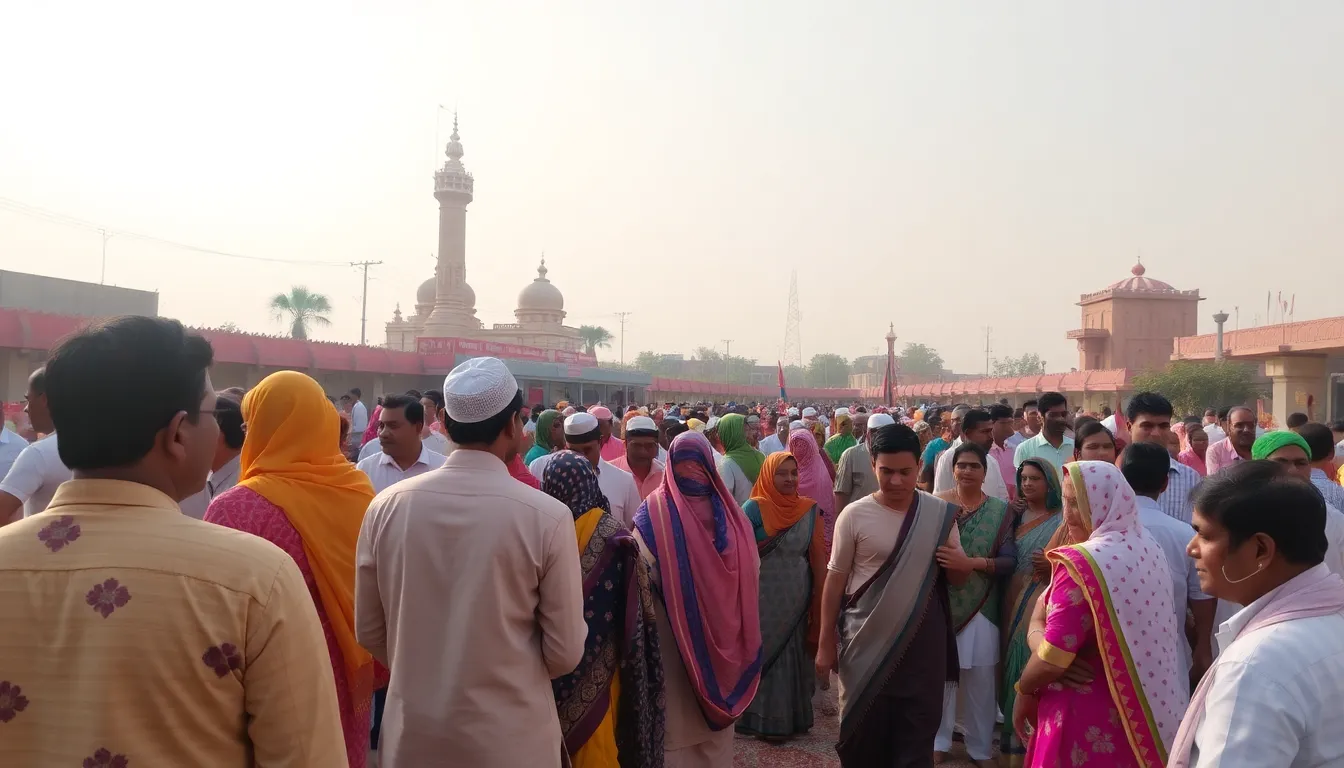
How did Patan district observe Eid-ul-Azha this year, and what made the celebrations stand out? Eid-ul-Azha in Patan was marked by a strong spirit of peace, unity, and community participation, highlighting the district’s commitment to harmony despite recent challenges.
What Happened During Eid-ul-Azha in Patan
On Saturday, April 29, 2023, thousands of Muslims across Patan district gathered to celebrate Eid-ul-Azha, also known locally as Bakra Eid. The main congregational prayers took place at the Eidgah near Siddhi Sarovar, a significant open-air prayer ground in Patan city. The prayers were led by Maulana Siddiq, a respected religious leader from the Patan Muslim Welfare Association, who recited verses from the Quran emphasizing peace and compassion.
Following the prayers, Maulana Imran delivered a heartfelt sermon condemning the recent terrorist attack in Pulwama, Jammu & Kashmir, which claimed over 40 lives. He urged the community to uphold brotherhood and coexist peacefully with all sections of society. His message resonated deeply, calling for unity not only within Patan but across Gujarat and India as a whole.
Security was a top priority, with the Patan District Police setting up extensive measures around the Eidgah and key Muslim neighborhoods. Under the supervision of District Police Chief Shailesh Kumar, over 150 police personnel were deployed, supplemented by CCTV surveillance and vehicle checks to ensure a safe environment for worshippers and residents alike. This security plan was formulated in coordination with local community leaders to maintain calm and order throughout the day.
Post-prayer celebrations included families preparing traditional dishes such as biryani, mutton curries, and sweet delicacies like sheer khurma. Many households extended invitations to neighbours from different communities, fostering interfaith harmony. The day culminated in colorful fireworks displays after sunset, lighting up the Patan skyline and symbolizing communal joy and togetherness.
Why Eid Celebrations in Patan Matter for Gujarat
Patan’s Eid celebrations highlight the district’s role as a cultural and religious mosaic within Gujarat. According to the 2011 Census, Patan district has a Muslim population of approximately 12%, concentrated mainly in Patan city and surrounding villages. The peaceful conduct of such a large-scale festival sends a strong message of Gujarat’s inclusive social fabric, especially in light of rising communal tensions elsewhere in the state and country.
The district’s proactive police measures and engagement with community representatives demonstrate a model approach to managing religious festivals. This approach strengthens trust between law enforcement and citizens, which is crucial to maintaining public order during sensitive times. Moreover, the inter-community sharing of festive meals and greetings exemplifies Gujarat’s longstanding tradition of religious tolerance.
Such celebrations also boost local economies. Small businesses in Patan, including meat suppliers, sweet shops, and garment vendors, reported a 20-30% increase in sales during the Eid period compared to average weeks, according to the Patan Chamber of Commerce. The festival thus contributes to economic vitality alongside its cultural significance.
Background and Context of Eid-ul-Azha in Patan
Eid-ul-Azha commemorates the willingness of Prophet Ibrahim (Abraham) to sacrifice his son in obedience to God. In Gujarat, this festival is significant due to the state’s diverse population and rich history of communal harmony. Patan itself is renowned for its heritage sites, including the Rani ki Vav stepwell, a UNESCO World Heritage site, and numerous mosques dating back centuries, reflecting the coexistence of Hindu and Muslim communities.
Historically, Eid celebrations in Patan have featured not only religious observances but also cultural programmes that promote unity. For instance, the district has previously hosted events like the International Museum Day cultural programme to showcase local traditions and crafts, integrating diverse communities. The district police have also organized initiatives such as the World Environment Day tree planting to engage citizens across faiths in community building.
Key Numbers and Data from Eid Celebrations in Patan
- Over 5,000 people participated in the main prayers at the Eidgah near Siddhi Sarovar.
- The Patan District Police deployed more than 150 officers for security during the festival.
- Local businesses reported a 20-30% rise in sales of meat, sweets, and festive garments during the Eid week.
- Patan’s Muslim population, according to the 2011 Census, stands at around 12% of the district’s total 1.4 million residents.
- Approximately 50 community leaders and religious scholars took part in interfaith dialogues and peace messages leading up to Eid.
What Comes Next After Eid in Patan
The successful and peaceful celebration of Eid-ul-Azha in Patan sets a positive precedent for future religious and cultural events in the district. Authorities have announced plans to continue strengthening community policing and dialogue initiatives to build on this foundation of trust and cooperation.
Local NGOs and the Patan Muslim Welfare Association have expressed interest in organizing joint community service projects, such as health camps and educational workshops, to further bridge communal divides. Additionally, the district administration is exploring opportunities to promote Patan as a destination for cultural tourism that highlights Gujarat’s pluralistic heritage.
Residents are encouraged to participate actively in upcoming events and maintain the spirit of mutual respect demonstrated during Eid. This includes supporting initiatives like the Patan police flag march that fosters security awareness and community engagement before major festivals.
Bottom Line: Eid-ul-Azha in Patan was a powerful expression of peace, unity, and cultural richness, demonstrating how festivals can strengthen community bonds and promote harmony. Residents and authorities alike should continue these efforts to ensure Gujarat remains a beacon of inclusive celebration and social cohesion.