
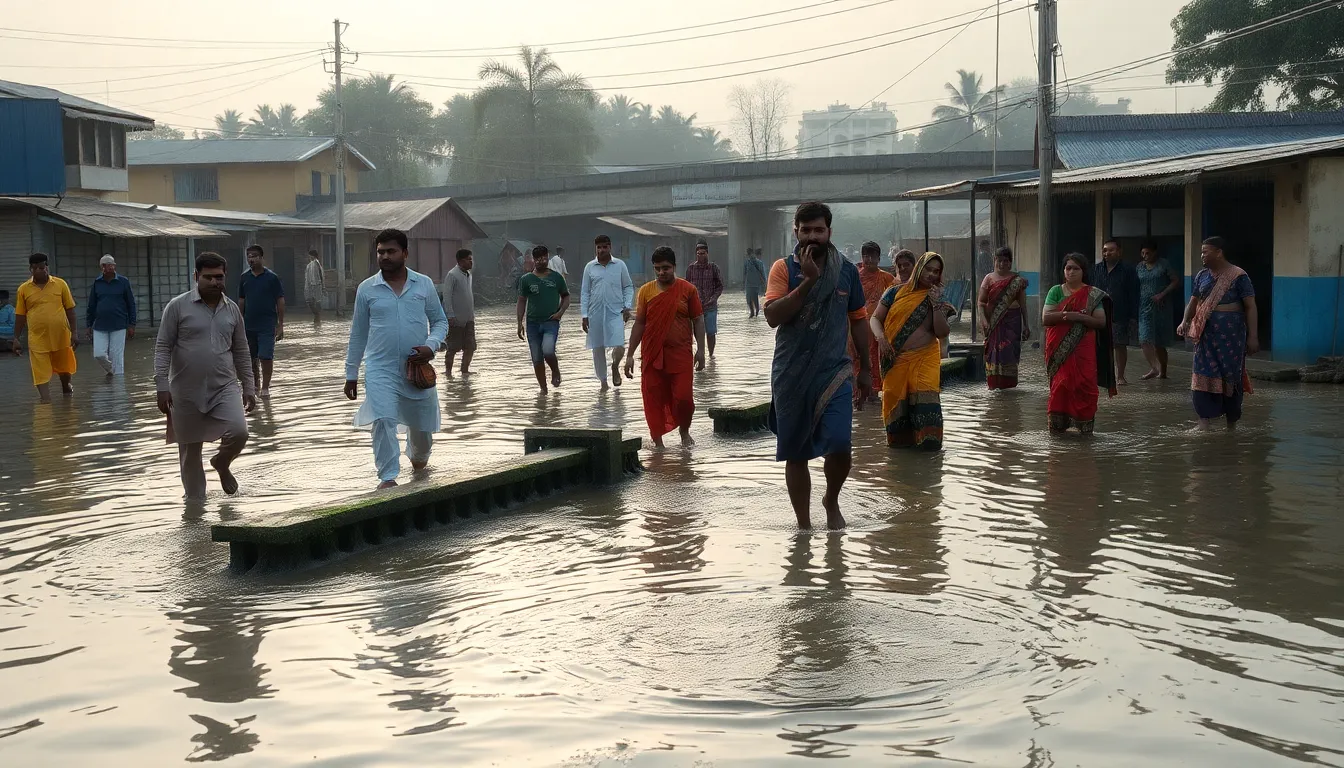
Residents of Deesa, a key town in Banaskantha district, continue to face severe flooding problems during the monsoon season, despite recent infrastructure developments. The completion of a new road on Ranpur Road by the Gujarat Roads and Buildings Department in early 2024 has failed to alleviate the chronic waterlogging issues that affect more than 20 residential societies. Notably, Pink City Society and neighboring areas experience significant flooding even with moderate rainfall, causing daily disruption and property damage.
What Are the Specific Drainage Issues in Deesa?
The newly constructed Ranpur Road was intended to improve connectivity and urban infrastructure, with an investment reportedly exceeding ₹3 crore. However, according to the Banaskantha District Urban Development Authority and the Deesa Municipality, the road’s elevation is higher than the surrounding land, unintentionally creating a barrier that obstructs natural rainwater flow. This has resulted in rainwater accumulating in low-lying localities, transforming areas like Pink City Society into temporary lakes during monsoon spells.
The design did not adequately incorporate drainage channels or sufficient stormwater management systems. The existing drainage infrastructure, which the municipal teams maintain by manually opening drainage chambers before and during rains, cannot handle the volume of water. This recurring manual intervention has become a stopgap rather than a sustainable solution, as per reports from the Deesa Municipality’s Public Works Department.
Who Is Affected by the Flooding and How?
More than 20 residential societies in Deesa, including Pink City Society, Shanti Nagar, and Municipal Colony, are directly impacted by the flooding. The residents face daily hardships such as restricted mobility, damage to vehicles, and increased risk of waterborne diseases. Local businesses also suffer losses due to reduced customer footfall and water damage to goods.
Children and elderly residents are particularly vulnerable, with schools in flood-prone zones reporting attendance drops during heavy rains. The Health Department of Banaskantha has noted a rise in cases of dengue and malaria coinciding with the monsoon flooding periods. Furthermore, the flooding affects local transport services, causing delays and increased travel costs for commuters.
Why Did the Government Proceed with the Road Construction Despite Flooding Risks?
The Gujarat Roads and Buildings Department initiated the Ranpur Road project as part of a broader infrastructure development plan for Banaskantha district, aiming to boost urban mobility and economic activities. The project was sanctioned in the 2022-23 state budget, under the Urban Infrastructure Development Scheme, with a completion deadline of January 2024.
However, according to the Roads and Buildings Department officials, the drainage design was based on outdated topographical surveys, and coordination with the Deesa Municipality’s drainage planning teams was limited. The monsoon rains of 2024 revealed these planning gaps. Infrastructure experts from Gujarat Technological University have highlighted that such large-scale projects require integrated water management plans, which were reportedly overlooked in this case.
What Are the Views of Residents and Local Authorities?
Local residents have expressed frustration and disappointment. Mr. Ramesh Patel, a community leader from Pink City Society, told news.gujarat.in: “Despite spending crores on this road, our societies are flooded every year. The authorities must listen to our concerns and provide a permanent solution rather than temporary fixes.” Multiple petitions have been submitted to the Deesa Municipality requesting a comprehensive drainage overhaul.
The Deesa Municipality acknowledges the problem and stated in a recent public meeting that they are coordinating with the Roads and Buildings Department to conduct a joint survey to redesign the drainage system. However, the lack of coordination between the two departments has been cited as a key reason for the recurring flooding.
Urban planners and environmental activists in Gujarat have also voiced concerns. They recommend adopting sustainable urban drainage systems (SUDS), rainwater harvesting, and periodic maintenance protocols to mitigate flooding in rapidly urbanizing towns like Deesa.
What Should Residents Do to Prepare for This Monsoon Season?
Residents of Deesa are advised to take practical steps to mitigate the impact of flooding during the ongoing monsoon season:
- Stay Informed: Monitor local weather updates and announcements from Deesa Municipality regarding drainage maintenance schedules and flood warnings.
- Protect Property: Use sandbags or barriers around vulnerable points of homes and businesses to prevent water ingress.
- Health Precautions: Ensure proper mosquito control measures, keep drinking water sealed, and seek medical advice promptly if symptoms of waterborne diseases arise.
- Community Coordination: Join local resident welfare associations to collectively communicate with authorities and participate in clean-up drives of local drainage channels.
Additionally, citizens can refer to related flooding situations in nearby areas, such as Vav City Faces Flooding Issues After Recent Rain and Heavy Rain in Deesa Causes Flooding in Low-Lying Areas, to understand broader monsoon impacts on the region.
While infrastructure improvements are underway in Gujarat, the Deesa flooding highlights the urgent need for integrated urban planning and better inter-departmental coordination. Residents, local authorities, and state departments must work collaboratively to devise durable solutions for safe and flood-resilient urban living.
Next Steps:
- Residents should document flooding incidents and submit formal complaints to the Deesa Municipality and Banaskantha District Collector’s office.
- Authorities need to expedite joint drainage surveys and develop a transparent action plan with timelines made public to residents.
- Community groups can organize awareness programs on flood preparedness and advocate for sustainable urban drainage solutions with state policymakers.