
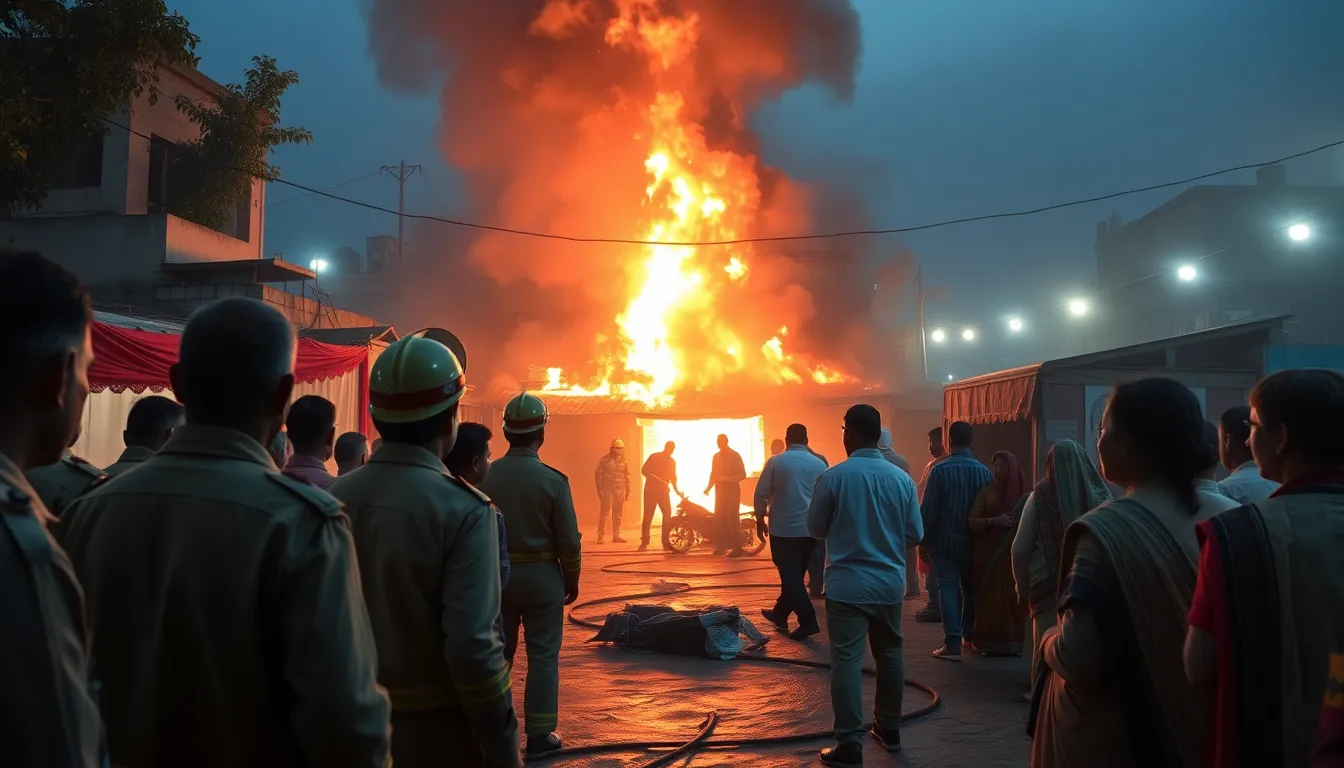
On April 20, 2024, a gas cylinder leak at a wedding hall near St. Xavier’s School in Deesa city, Banaskantha district, triggered a fire that could have led to a major disaster. Thanks to the swift response of the Deesa Fire Brigade, the fire was quickly controlled, and no casualties were reported. This incident has drawn significant attention to the safety protocols surrounding gas cylinder usage in public venues across Gujarat.
What Are the Safety Regulations for Gas Cylinders in Gujarat?
The Petroleum and Explosives Safety Organisation (PESO), under the Ministry of Commerce and Industry, governs the use, storage, and transportation of LPG cylinders in India, including Gujarat. According to the Gujarat State Fire and Emergency Services Directorate, which oversees district fire brigades including Deesa, there are strict guidelines for public venues like wedding halls:
- Regular inspection of gas cylinders and pipelines by certified technicians.
- Mandatory installation of gas leak detectors in kitchens and banquet areas.
- Availability of fire extinguishers rated for flammable gas fires (Class B) at easily accessible locations.
- Training staff on emergency evacuation and fire safety protocols.
- Compliance with the Gujarat Fire Prevention and Life Safety Measures Act, 2015, enforced by local fire authorities.
The Deesa incident has prompted the Banaskantha district administration to reiterate these regulations via a gazette notification on April 22, 2024, urging all public venues to strictly adhere to safety norms ahead of the ongoing wedding season.
Who Is Most Affected by Gas Cylinder Safety Policies in Gujarat?
The primary stakeholders include owners and managers of public venues such as wedding halls, restaurants, and hotels in districts like Banaskantha, Ahmedabad, and Vadodara. Additionally, gas suppliers and maintenance contractors operating in Gujarat must ensure cylinders meet safety standards before delivery and installation.
Wedding organisers and caterers, who often use multiple gas cylinders for cooking during large events, are also directly impacted. The local community, especially residents living near such venues, bear the risk of accidents if safety measures are neglected.
For example, in April 2023, a similar gas leak incident in Anand district resulted in three injuries, underscoring the vulnerability of both workers and guests in such settings. The Anand gas leak fire highlighted gaps in emergency preparedness that authorities aim to address.
Why Has the Gujarat Government Emphasised Gas Cylinder Safety Now?
The recent spate of LPG-related incidents during the wedding season, including the Deesa event, has pushed the Gujarat government to strengthen enforcement. According to the Gujarat Home Department’s April 2024 report, fire accidents linked to gas leaks have risen by 15% in the last two years, with the highest incidence in the northern districts such as Banaskantha and Patan.
Seasonal factors contribute as well: Gujarat’s hot climate can increase the volatility of LPG under poor storage conditions. Additionally, the surge in wedding events post-pandemic has led to higher demand and usage of gas cylinders, sometimes without adequate safety checks.
To prevent tragedies, the Gujarat Fire and Emergency Services Department has launched renewed awareness campaigns across districts, including Deesa. These include door-to-door inspections, public safety workshops, and coordination with local police to monitor unlicensed gas cylinder distributors, as evidenced by the recent recovery of missing cylinders in Deesa.
What Do Experts and Stakeholders Say About These Safety Measures?
Fire safety experts from the Gujarat Institute of Disaster Management (GIDM) commend the swift action of the Deesa Fire Brigade, noting that rapid response is critical in preventing small leaks from escalating into major fires.
However, organisers of large public events have expressed concerns about the costs and logistical challenges of implementing exhaustive safety protocols, especially for smaller venues. They urge the state government to provide subsidies or support for acquiring safety equipment like gas detectors and fire extinguishers.
Local residents’ associations in Banaskantha have welcomed the government’s proactive stance, stressing that community awareness is just as important as regulatory enforcement to mitigate risks.
What Practical Steps Should Residents and Venues Take Now?
To minimise the risk of gas-related accidents, residents and venue managers in Deesa and across Gujarat should follow these actionable steps:
- Regular Inspection: Have LPG cylinders and pipelines checked by certified professionals at least once every six months.
- Leak Detection: Install gas leak detectors in kitchens and cooking areas. Test them monthly to ensure functionality.
- Emergency Preparedness: Equip venues with fire extinguishers suited for gas fires and train staff in their use and in evacuation procedures.
- Proper Storage: Store cylinders upright and away from heat sources or electrical equipment.
- Report Suspicious Activity: Notify local police or fire authorities about unlicensed gas suppliers or unsafe practices.
- Community Participation: Attend local safety workshops organised by the Banaskantha District Fire Department to stay updated on best practices.
These measures align with the Gujarat Fire and Emergency Services Department’s ongoing safety initiatives and can significantly reduce accident risks during the busy wedding season.
For further context on emergency responsiveness in Gujarat, readers can refer to the exemplary handling of other crises such as the Ahmedabad airport emergency and the recent disaster averted by Deesa officials.
Bottom Line: The Deesa gas cylinder leak is a stark reminder of the dangers posed by flammable materials when safety protocols are overlooked. All residents and public venue operators must prioritise regular maintenance, leak detection, and emergency preparedness to ensure celebrations remain safe and joyous.