
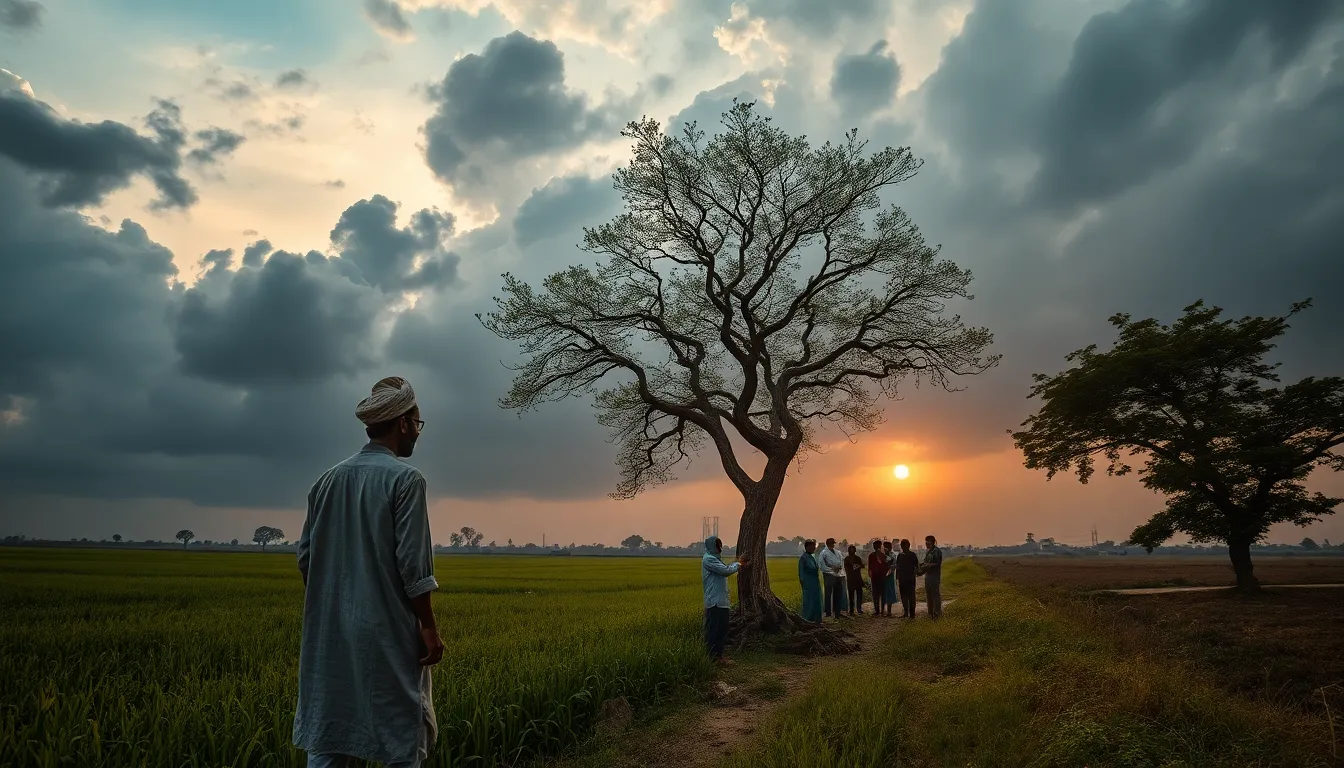
The India Meteorological Department (IMD) issued a detailed forecast on 3rd May 2025, warning of unseasonal rain and hailstorms expected across multiple districts of Gujarat from 3rd to 6th May. This weather anomaly coincides with rising air pollution levels in key urban centres, intensifying concerns over public health and the welfare of the agricultural community.
Outline the IMD Weather Forecast
The IMD’s official bulletin, released by the Regional Meteorological Centre in Ahmedabad, highlights a western disturbance influencing Gujarat’s climate. This disturbance is expected to cause light to moderate rain and thunderstorms across various districts:
- 3rd May: Isolated rainfall in North Gujarat’s Banaskantha and Sabarkantha; Saurashtra-Kutch districts including Kutch.
- 4th May: Rain spreading to Mehsana, Patan, Aravalli, Panchmahal, Dahod, Mahisagar, Vadodara, and Chhota Udepur in North Gujarat; Bhavnagar, Amreli, and Kutch in Saurashtra-Kutch.
- 5th May: Further extension to South Gujarat’s Narmada, Surat, Tapi, Valsad, Navsari, and Dangs districts; also Daman and Dadra Nagar Haveli. Saurashtra regions including Gir Somnath and Diu remain on alert.
The IMD also noted a possibility of hailstorms, particularly in Banaskantha and Sabarkantha districts, which could exacerbate crop damage. Local agricultural authorities have issued alerts urging farmers to secure their standing crops.
Examine Who Is Affected and How
The forecast impacts several key sectors in Gujarat:
- Agriculture: The unseasonal rains threaten ongoing harvesting in districts like Banaskantha, where farmers are already grappling with hailstorm damage, as reported by the Banaskantha Agriculture Department. Crops such as wheat, cotton, and groundnut are vulnerable to waterlogging and physical damage. In Dangs, the White Musli crop, which thrives in moist conditions, may benefit, but inconsistent rainfall patterns make outcomes uncertain.
- Public Health: Rising air pollution levels in Ahmedabad, Gandhinagar, and Mehsana—with AQI readings above 100—pose respiratory risks. The Gujarat Pollution Control Board (GPCB) has confirmed increased PM2.5 and PM10 concentrations, attributed to dust storms combined with stagnant atmospheric conditions.
- Urban Infrastructure: Cities like Surat and Vadodara could face localized flooding due to unseasonal downpours, challenging municipal drainage systems during the pre-monsoon period.
Clarify Why Authorities Issued These Warnings
The Gujarat State Disaster Management Authority, in coordination with the IMD and GPCB, issued these advisories to mitigate risks associated with the abnormal weather and pollution spike. The timing is critical as the state is transitioning from harvesting to the sowing season, and the agricultural economy remains sensitive to climatic disruptions.
Officials explained that the western disturbance is an unusual phenomenon for early May, typically seen in winter months, indicating potential shifts in regional climate patterns. Additionally, pollution levels have surged due to pre-monsoon dust storms and increased vehicular emissions, as reported by the Gujarat State Environment Department.
Present Critiques and Stakeholder Perspectives
Farmers’ unions in Banaskantha voiced concerns over insufficient early warnings about hailstorms and rain, which have already inflicted losses on crops. Leaders from the Gujarat Khedut Sangathan called for enhanced weather prediction infrastructure and timely dissemination of alerts.
Environmental experts emphasize that rising pollution levels require stricter enforcement of emissions norms. They recommend immediate action plans from municipal bodies in Ahmedabad and Gandhinagar to curb dust pollution, including water sprinkling on roads and controlling construction activities.
Meanwhile, the Gujarat Agriculture Department highlighted ongoing efforts such as the timely fertiliser distribution to support farmers dealing with seasonal uncertainties.
Advise What This Means for Residents
Residents and farmers across Gujarat should take the following precautions:
- Farmers: Protect crops by covering sensitive fields where feasible, and avoid harvesting during predicted rainfall. Follow advisories from local agricultural offices in Banaskantha, Sabarkantha, and Dangs.
- Urban Residents: Monitor real-time AQI updates from the Gujarat Pollution Control Board website. Limit outdoor activities during peak pollution hours, particularly in Ahmedabad and Gandhinagar.
- Health Measures: Use N95 masks when outdoors, maintain indoor air quality with air purifiers or natural ventilation, and consult healthcare providers if respiratory symptoms worsen.
- Travel and Safety: Exercise caution while commuting during wet conditions, and heed alerts from the Gujarat State Disaster Management Authority.
Local news platforms recommend staying connected with official IMD updates and municipal alerts for evolving weather and pollution conditions.
Note: For ongoing coverage, refer to official sources such as the Regional Meteorological Centre Ahmedabad, Gujarat Pollution Control Board, and district agricultural offices.
Next Steps:
- Check the IMD Gujarat weather updates daily between 3rd-6th May 2025.
- Farmers should consult their nearest agriculture extension officers for tailored advice.
- Residents in high pollution zones must adopt protective measures and stay indoors when possible.