
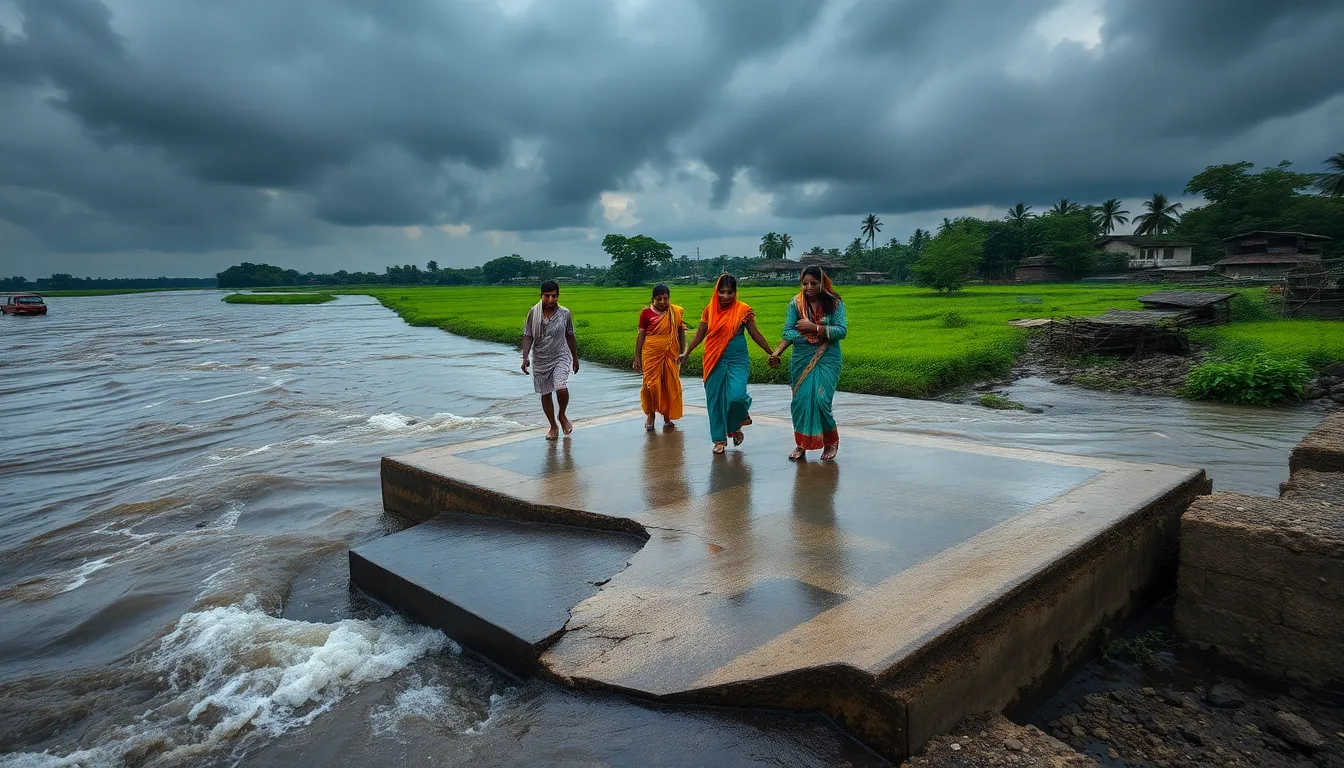
Has the recent heavy rainfall brought a lasting solution to the water scarcity in Naswadi Taluka? The answer is cautiously optimistic. Over the past two days, Naswadi Taluka in Chhota Udaipur district has experienced significant rainfall, alleviating the acute water shortage faced by nearly 200 villages. This precipitation has notably raised the water levels in the Ashwin River and groundwater sources, providing much-needed relief to residents and livestock alike.
5 Key Facts About the Heavy Rainfall in Naswadi Taluka
- Rainfall Amount: Official records from the Gujarat State Emergency Operations Centre report that Naswadi Taluka received approximately 85 mm of rain from July 10 to July 11, 2024.
- Villages Benefited: Around 200 villages across Naswadi Taluka now report improved water availability in bore wells and hand pumps.
- Ashwin River Status: The Ashwin River’s water level has risen by nearly 1.5 meters, improving drinking water supply for both humans and cattle.
- Infrastructure Damage: The low-level causeway in Kukawati village connecting five villages has suffered a partial concrete slab collapse, posing risks to commuters.
- Response from Authorities: Despite multiple complaints, local administration led by the Chhota Udaipur District Collector has yet to initiate repairs on the damaged causeway.
3 Historical and Environmental Contexts of Naswadi Taluka
Naswadi Taluka lies within the tribal-dominated Chhota Udaipur district, known for its rugged terrain and dependence on monsoon rains. The Ashwin River, a tributary running approximately 60 kilometres before joining the Narmada River, is crucial for irrigation and drinking water. Historically, the region experiences frequent water scarcity due to its semi-arid climate and limited groundwater recharge. The recent heavy rains follow a pattern similar to other parts of Gujarat, such as the Patan district, where monsoon showers have temporarily eased drought conditions.
Low-level causeways in this region, including the one in Kukawati village, were constructed decades ago with minimal reinforcement, making them vulnerable to damage during heavy rains. Similar infrastructure challenges have been reported in nearby areas like Disa Taluka and Halol Taluka, highlighting a broader regional need for resilient infrastructure development.
4 Current Status of Water and Infrastructure in Naswadi Taluka
Following the recent rainfall, groundwater levels in Naswadi’s bore wells and hand pumps have risen by an estimated 1.2 meters, according to the Gujarat Water Supply and Sewerage Board’s latest report. This rise is expected to sustain water access for the coming weeks, assuming no prolonged dry spells.
However, the damage to the Kukawati causeway remains unaddressed. This causeway is a vital link connecting Kukawati with the neighbouring villages of Pipaliya, Kadipani, Gandhigram, and Chikhli. The collapsed section has forced villagers to take risky detours or wade through rising waters, increasing the risk of accidents and isolation during peak monsoon floods.
The Chhota Udaipur District Collector, Mr. Rajesh Patel, stated in a recent press briefing that assessments for emergency repairs are underway, but no timeline has been provided. Meanwhile, local Panchayat leaders have appealed to the Gujarat Rural Development Department for priority funding to reinforce and reconstruct vulnerable causeways across the taluka.
5 Ways the Community is Impacted by the Rain and Infrastructure Issues
The heavy rains have had a dual impact on Naswadi’s residents. On the positive side, they have reduced the immediate threat of water scarcity, which had severely affected agricultural activities and daily life. Farmers report that the replenished water tables will support kharif crop sowing, especially for paddy and maize, which are staple crops in the region.
Conversely, damaged infrastructure poses serious challenges. Schoolchildren commuting to nearby educational institutions in Naswadi town face dangerous crossings, and local markets have seen reduced footfall due to transport difficulties. Livestock movement has also been restricted, affecting dairy farmers who rely on timely delivery of milk to cooperative societies.
Health officials from the Chhota Udaipur District Health Department warn that stagnant water around damaged causeways could become breeding grounds for mosquitoes, increasing the risk of vector-borne diseases such as malaria and dengue during the monsoon.
3 Steps to Get Involved or Help Address Ongoing Issues
- Report Infrastructure Damage: Residents can report damage to local Gram Panchayats or directly to the Chhota Udaipur District Collector’s office via the official helpline 02682-123456.
- Support Local NGOs: Organizations like the Tribal Welfare Society in Naswadi are working to raise awareness and provide immediate relief; donations or volunteer efforts can be coordinated through their office at Naswadi Panchayat Bhavan.
- Advocate for Sustainable Development: Citizens are encouraged to participate in public consultations organized by the Gujarat Rural Development Department to push for resilient infrastructure funding tailored to monsoon-prone talukas like Naswadi.
Similar rainfall patterns and infrastructure challenges have been noted in the Dantiwada region, emphasizing the need for state-wide planning.
Bottom Line: The recent heavy rains have brought critical relief to Naswadi Taluka’s water scarcity but have also exposed urgent infrastructure vulnerabilities that require immediate government intervention. Residents and officials must collaborate to ensure safe, reliable access during the monsoon. For ongoing updates and to support local efforts, contact the Chhota Udaipur District Collector’s office or local panchayats without delay.