
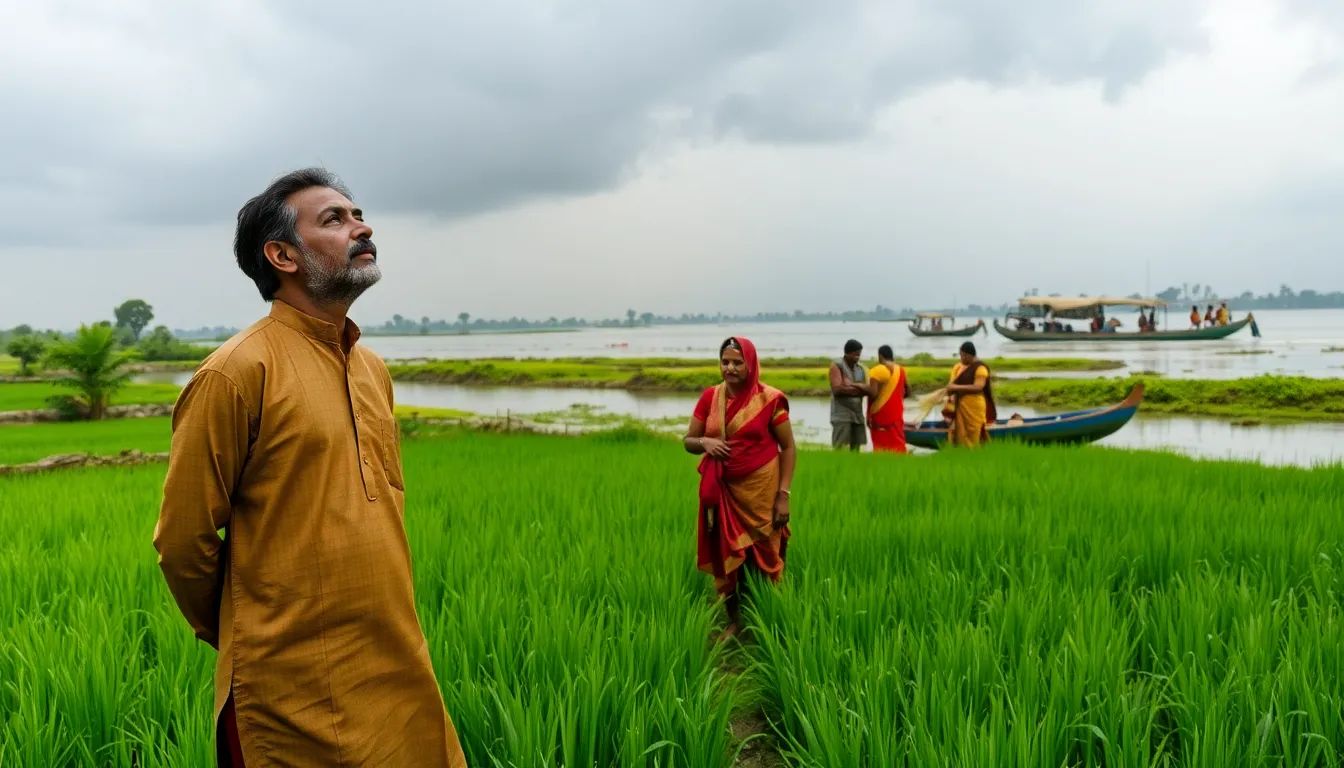
The Gujarat Meteorological Department has issued a heavy rainfall forecast affecting five specific districts: Banaskantha, Sabarkantha, Navsari, Valsad, along with the union territories of Daman and Dadra Nagar Haveli. This advisory, effective immediately and expected to continue over the next seven days, signals a significant weather shift for residents, farmers, and local authorities. Medium to light rains will prevail statewide, but the forecast highlights heavy downpours concentrated particularly on June 28 and 29 in these areas, marking the official monsoon onset for southern Gujarat after prior rains in Saurashtra.
5 Key Provisions in the Weather Advisory
The official weather bulletin released by the India Meteorological Department (IMD), Gujarat Regional Office, outlines several critical measures:
- Heavy Rainfall Alert: Banaskantha, Sabarkantha, Navsari, Valsad, Daman, and Dadra Nagar Haveli have been placed under a red alert for heavy rainfall exceeding 64.5 mm in 24 hours.
- Flood Warning: Low-lying regions in these districts are flagged for potential flooding, with real-time monitoring of rivers such as the Auranga River in Valsad, which has already reached 4.49 meters—a threshold for closing all causeways to prevent accidents.
- Safety Advisories for Fishermen: Local authorities, including the Gujarat Fisheries Department, have advised fishermen from coastal districts including Navsari and Valsad to avoid venturing into the Arabian Sea until conditions stabilize.
- Deployment of SDRF Teams: The State Disaster Response Force (SDRF) has been mobilized in the affected areas to assist with emergency response and evacuation if required.
- Public Communication: Continuous updates will be provided via official channels such as the Gujarat State Emergency Operations Centre and the IMD’s Gujarat portal to ensure public awareness and preparedness.
3 Districts Most Affected and How
The districts of Banaskantha and Sabarkantha in North Gujarat and Navsari, Valsad in South Gujarat are expected to experience the heaviest rainfall, with estimates of over 80 mm in some places. Banaskantha and Sabarkantha, largely agrarian districts, rely heavily on monsoon rains for crops like cotton, groundnut, and bajra. Sudden heavy rains can cause waterlogging, damaging standing crops and delaying harvests.
Valsad and Navsari, coastal districts with numerous villages near the Arabian Sea and estuaries, face dual challenges: flooding from river overflows and rough sea conditions affecting fishing communities. The Auranga River in Valsad district is a focal point for flood risk, with authorities ready to enforce road and causeway closures once water levels exceed 4.49 meters.
Daman and Dadra Nagar Haveli, union territories adjoining Gujarat, will also experience heavy showers, impacting urban and semi-urban populations with disruptions to transport and waterlogging in low-lying neighbourhoods.
4 Reasons Behind the Government’s Proactive Measures
The Gujarat government, led by the Revenue and Disaster Management Department, has taken an anticipatory stance based on meteorological data and past monsoon experiences. The early onset of the monsoon in southern Gujarat after Saurashtra sets a precedent for increased rainfall intensity this season. Given Gujarat’s history of flood-related disruptions, especially in districts with vulnerable infrastructure, the government prioritizes preparedness.
Additionally, climate variability has led to more erratic monsoon patterns in recent years, prompting authorities to enhance surveillance and emergency response capabilities. The deployment of SDRF teams and real-time river level monitoring are part of these adaptive strategies to mitigate human and economic losses.
Moreover, this year’s early and consistent rainfall is vital for Gujarat’s agriculture sector, which contributes approximately 15% to the state GDP and supports millions of farmers. The government aims to balance the benefits of monsoon rains with safety protocols to avoid adverse outcomes such as crop damage or flooding casualties.
2 Perspectives from Stakeholders
Farmers’ Associations: The Gujarat Khedut Samaj has welcomed the rainfall, emphasizing the need for sustained rains to improve soil moisture and replenish groundwater levels after last year’s deficient monsoon. However, they express concern about localized flooding and urge the government to expedite drainage infrastructure projects.
Environmental Experts: Dr. Mehul Patel, climatologist at the Gujarat Science City, notes that the rainfall pattern is consistent with predictions of increased monsoon variability due to climate change. He advocates for integrating these forecasts into urban planning and agricultural advisories to enhance resilience.
5 Practical Steps for Residents and Farmers
Citizens in affected districts should take the following precautions:
- Monitor Official Updates: Regularly check forecasts and alerts from the Gujarat State Emergency Operations Centre and the IMD’s Gujarat website.
- Avoid Flood-Prone Areas: Residents in low-lying localities should prepare for possible evacuations and avoid crossing flooded causeways to ensure safety.
- Fishermen Advisory: Follow Gujarat Fisheries Department instructions and refrain from fishing activities until all-clear signals are issued.
- Secure Crops and Livestock: Farmers should safeguard vulnerable crops and provide shelter to livestock to minimize losses.
- Emergency Contacts: Keep contact numbers for local SDRF units and district emergency offices handy. For assistance, residents can call the Gujarat State Emergency Helpline at 108 or visit gsdma.org.
These measures will help residents and authorities manage the monsoon’s challenges while maximizing its agricultural benefits.
For continuous coverage, readers can refer to related reports such as Heavy Rain Forecast in Gujarat: Alert for 28 Districts and Heavy Rain Forecast for Gujarat Until July 1 to stay informed about evolving weather conditions.