
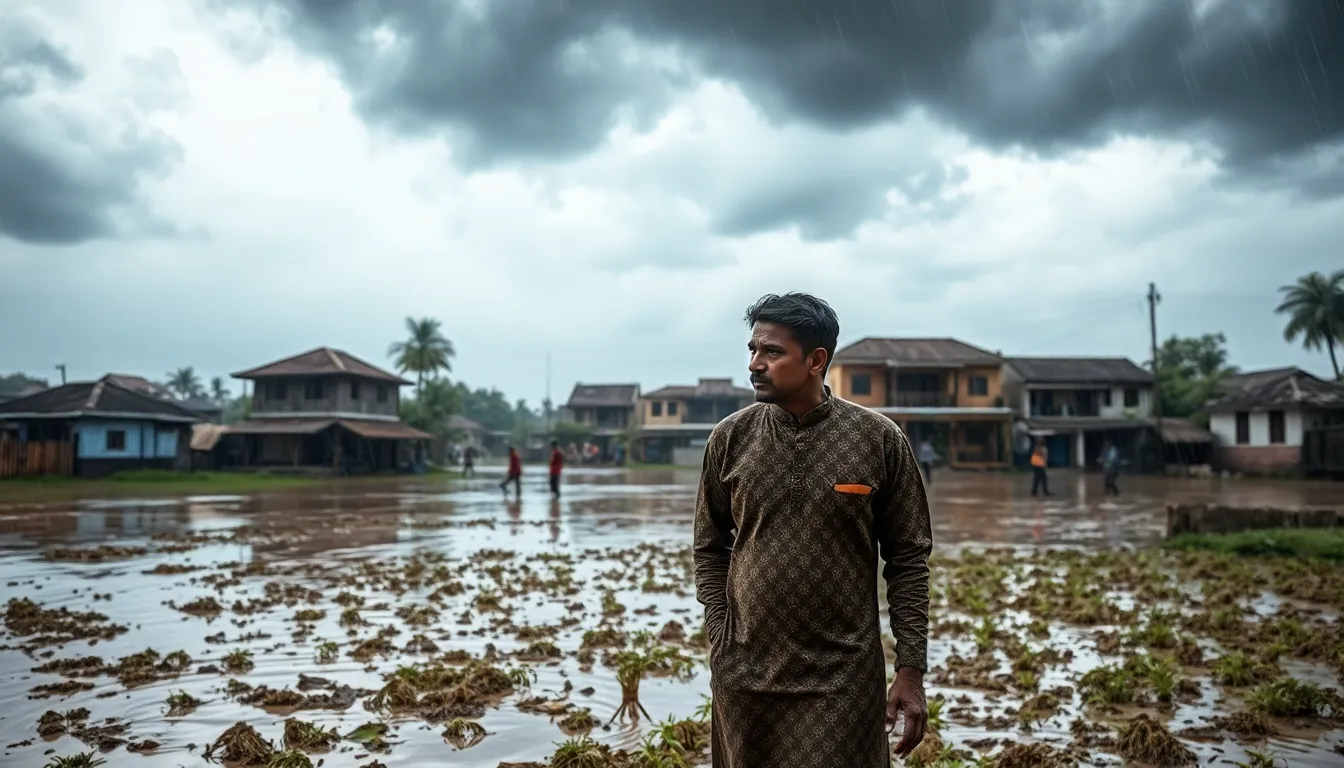
Banaskantha district in Gujarat is currently grappling with the consequences of heavy monsoon rainfall that has significantly disrupted daily life and infrastructure across the region. Over the past 24 hours, multiple areas including Ambaji, Danta, Ikbalgarh, and Amirgadh have experienced intense rain, with Danta recording as much as 10 inches and Amirgadh 5 inches. These downpours have led to widespread waterlogging, flooding of homes, and road closures that are impacting both residents and local transportation networks.
Review Rainfall Impact Across District
The heavy rainfall has caused notable swelling of rivers, particularly in the Danta-Amirgadh region, resulting in water levels rising beyond safety thresholds. This natural phenomenon drew large crowds, but also raised concerns about potential flooding risks. While southern parts of Banaskantha such as Ambaji bore the brunt of the storm, northern and western areas like Tharad, Suigam, and Bhabhar saw more moderate rainfall, ranging between 2 to 4 inches. These variations have influenced local agriculture differently, with farmers in moderate rainfall zones optimistic about crop growth, while others are monitoring water damage closely.
Identify Affected Areas and Districts
The impact is most severe in the eastern talukas of Banaskantha, including Danta, Amirgadh, and Ambaji, where infrastructure has suffered water-induced damage. The district administration has reported that several key roadways and underpasses are currently closed due to flooding, disrupting the daily commute and emergency services. Meanwhile, the northern talukas such as Tharad and Suigam, known for their agricultural productivity, have experienced beneficial rains that have replenished soil moisture and improved irrigation availability. Adjacent districts like Patan are also preparing for continued heavy rainfall, as noted in official reports.
Explain Benefits for Farmers and Citizens
Despite the immediate inconveniences, the monsoon rains are crucial for Banaskantha’s largely agrarian economy. The district’s farmers, particularly in the southern and western regions, have welcomed the rain as it supports the kharif crop cycle. Crops such as cotton, castor, and bajra rely heavily on monsoon rains for healthy yields. The moderate rainfall recorded in Tharad, Suigam, and Bhabhar has been especially beneficial, improving ground water levels and reducing irrigation costs. However, excessive rainfall in flood-prone areas poses risks to standing crops and infrastructure, highlighting the delicate balance the monsoon brings. The latest forecasts, detailed in meteorological updates, anticipate continued heavy showers until June 23, which could further influence agricultural outcomes.
Summarize Current Status and Safety Measures
The Banaskantha district administration, in coordination with the Gujarat State Disaster Management Authority (GSDMA), is actively monitoring the situation. Authorities have issued red alerts and advised residents to avoid non-essential travel, particularly in flood-affected zones. Rescue teams remain on standby, and temporary relief camps have been established in vulnerable areas. Water levels in the district’s rivers and reservoirs are being closely tracked to preempt flooding emergencies. Additionally, local civic bodies are working to clear drainage systems to mitigate waterlogging. Residents are urged to stay informed through official channels and adhere to safety advisories. The situation remains dynamic, as reported in the ongoing coverage at Heavy Rainfall Continues in Banaskantha District.
Outline Historical Need for Monsoon Management
Banaskantha’s climate has historically been marked by erratic monsoon patterns, ranging from droughts to sudden floods. The district’s varied topography, which includes hilly areas like Ambaji and plains in Tharad, complicates water management. Sustainable monsoon management is critical to supporting the district’s agriculture-driven economy and protecting infrastructure. Previous years have seen significant crop losses due to insufficient or excessive rainfall, prompting local authorities to enhance flood control measures and early warning systems. The current rainfall event underscores the need for continued investment in resilient infrastructure and proactive disaster preparedness to safeguard both lives and livelihoods.
Reference Key Rainfall Statistics
- Danta taluka recorded the highest rainfall at 10 inches within 24 hours.
- Amirgadh received 5 inches of rain, causing major waterlogging.
- Moderate rainfall of 2-4 inches was noted in Tharad, Suigam, and Bhabhar.
- Road closures include major underpasses and district highways around Ambaji and Danta.
- Forecasts indicate continued heavy rainfall from June 21 to 23.
Provide Official Resources for Updates
For the latest updates and safety advisories, residents of Banaskantha can contact the District Emergency Operations Centre at 02744-220123 or visit the official Gujarat State Disaster Management Authority website at gsdma.gujarat.gov.in. The India Meteorological Department’s regional office in Ahmedabad also provides continuous weather forecasts and alerts. Citizens are encouraged to stay connected to local news portals such as news.gujarat.in for real-time information and guidance.