
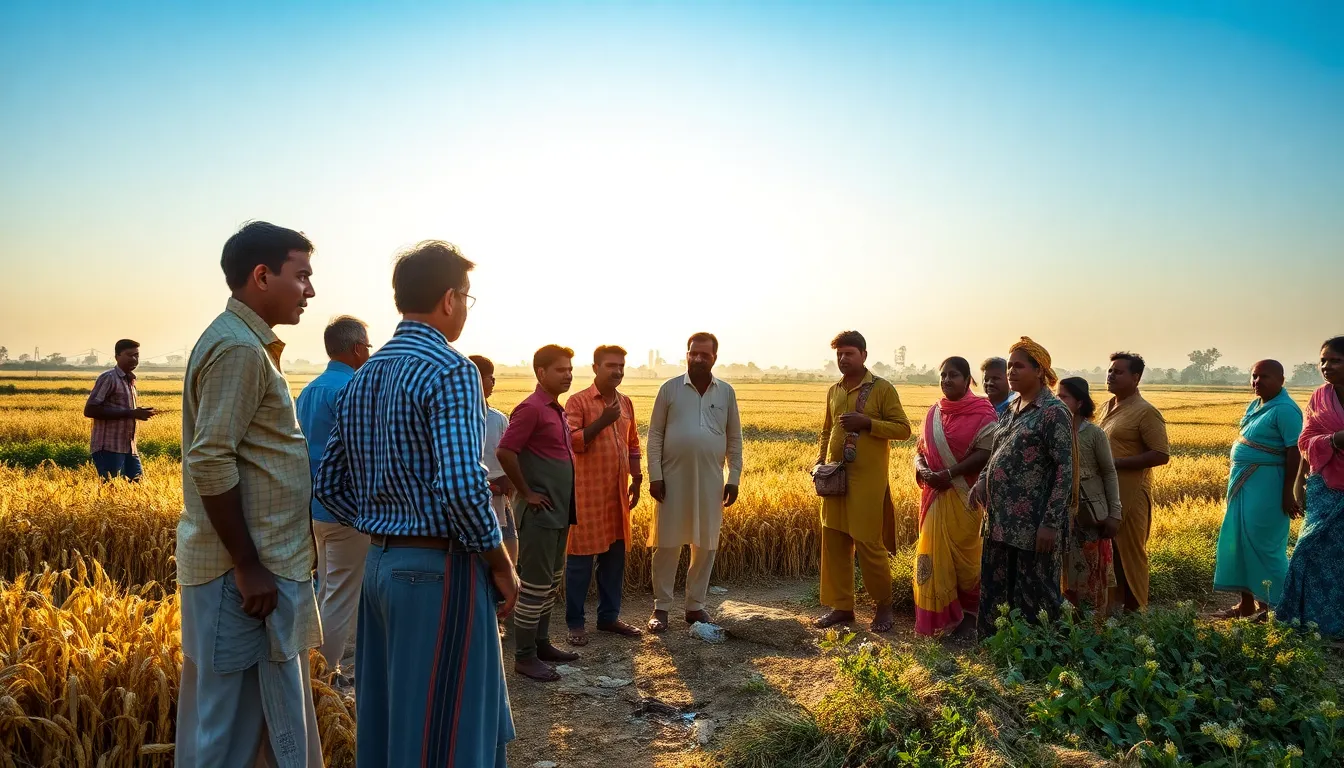
The recent leopard attack in Khemrajiya village, located in the Amirgarh taluka of Banaskantha district, Gujarat, has raised serious concerns about wildlife-human conflicts in rural areas. Three members of a tribal family sustained injuries, highlighting the risks faced by communities living adjacent to forested and wildlife habitats. This incident underlines the urgent need for enhanced safety measures in such regions to protect residents and livestock alike.
The Full Story
On the morning of June 15, 2024, a leopard unexpectedly entered Khemrajiya village, resulting in a sudden attack on three tribal family members while they were engaged in their daily activities near their agricultural fields. The victims—Bhikhiben Rameshbhai Dungashiya, her husband Rameshbhai Fulabhai Dungashiya, and their neighbor Valabhai Nanabhai Damor—suffered injuries mainly to their heads and hands. Thanks to the swift response of villagers and local health workers, the injured were transported promptly to the Palanpur Civil Hospital, approximately 40 kilometers from Khemrajiya.
Medical officials at Palanpur Civil Hospital confirmed that all three individuals were stable after receiving treatment, including wound care and tetanus prophylaxis. They were discharged within 48 hours and advised to follow up with local health workers for further observation. The hospital’s chief medical officer, Dr. Shailesh Patel, emphasized the importance of timely intervention in preventing severe outcomes in such attacks.
Historical and Cultural Context of Leopard Habitats in Banaskantha
Banaskantha district, covering an area of 12,703 square kilometers, is characterized by a mixed landscape of agricultural land and forest patches. The district borders Rajasthan, which has extensive wildlife habitats, including leopards known to roam near human settlements. Khemrajiya village’s proximity to the Aravalli hill range provides a natural corridor for leopards and other wildlife, often bringing them into contact with humans.
Locally, tribal communities like those in Khemrajiya have coexisted with wildlife for generations, relying on agriculture and livestock rearing such as sheep, goats, and cattle. Crops grown here include wheat, cumin, pearl millet, cotton, and various vegetables, which form the backbone of the local economy. However, increasing human encroachment and habitat fragmentation have intensified human-leopard conflicts in recent years.
According to the Gujarat Forest Department, Banaskantha recorded over 20 leopard sightings near villages in 2023, with four reported attacks on livestock and two on humans. These incidents have prompted the Forest Department to implement awareness and mitigation programs in the talukas bordering forest areas.
Current Status of the Leopard and Safety Measures
Following the attack, the Banaskantha Forest Department, in coordination with the local police, launched an immediate investigation to locate and safely capture the leopard. Wildlife experts from the Gujarat State Forest Department and the Wildlife Institute of India were called in to deploy humane traps and conduct tracking operations around Khemrajiya and neighboring villages.
As of June 20, 2024, the leopard remains untrapped, and the Forest Department has issued advisories urging villagers to avoid venturing into dense vegetation alone, especially during dawn and dusk when leopards are most active. Nighttime curfews have been recommended in sensitive areas to prevent further encounters.
Local authorities have also begun installing solar-powered motion sensor lights around the periphery of the village and near livestock sheds to deter wildlife intrusion. The district administration has allocated ₹5 lakh for these safety enhancements and for conducting awareness workshops involving forest officials, village panchayat members, and residents.
Community Impact and Response
The attack has deeply affected Khemrajiya’s tribal community, instilling fear but also fostering solidarity. The village panchayat convened an emergency meeting on June 16, 2024, to discuss immediate and long-term actions. Panchayat head, Mr. Harish Damor, emphasized the need for community vigilance and collaboration with forest authorities.
Residents have formed volunteer patrol groups to monitor leopard movements and alert authorities promptly. Local schools and the anganwadi center have incorporated wildlife safety education into their sessions, teaching children how to respond during animal encounters.
Livestock owners have been advised to strengthen animal enclosures using wire mesh and reinforced gates. The Agriculture Department of Banaskantha district has also offered technical guidance on protecting crops and animals from wildlife damage.
This incident echoes similar events in other parts of Gujarat, such as the recent leopard attack in Devgad Baria and the Junagadh leopard attack, underscoring a statewide challenge in balancing wildlife conservation with human safety.
How Residents Can Stay Safe and Report Sightings
Residents of Khemrajiya and neighboring villages are urged to take the following precautions and actions:
- Avoid traveling alone near forest edges, especially during early mornings and late evenings.
- Install adequate lighting around homes and livestock shelters.
- Keep children and elderly indoors during high-risk hours.
- Strengthen livestock enclosures with sturdy materials.
- Report any leopard sightings immediately to the Banaskantha Forest Department helpline at 02742-123456 or local police stations.
- Attend community awareness programs organized by the district administration.
For more information and updates, villagers can visit the official Gujarat Forest Department website at forest.gujarat.gov.in or contact the Banaskantha district collectorate office in Palanpur.
By staying informed and cooperating with authorities, the residents of Khemrajiya can enhance their safety and contribute to harmonious coexistence with Gujarat’s rich wildlife heritage.