
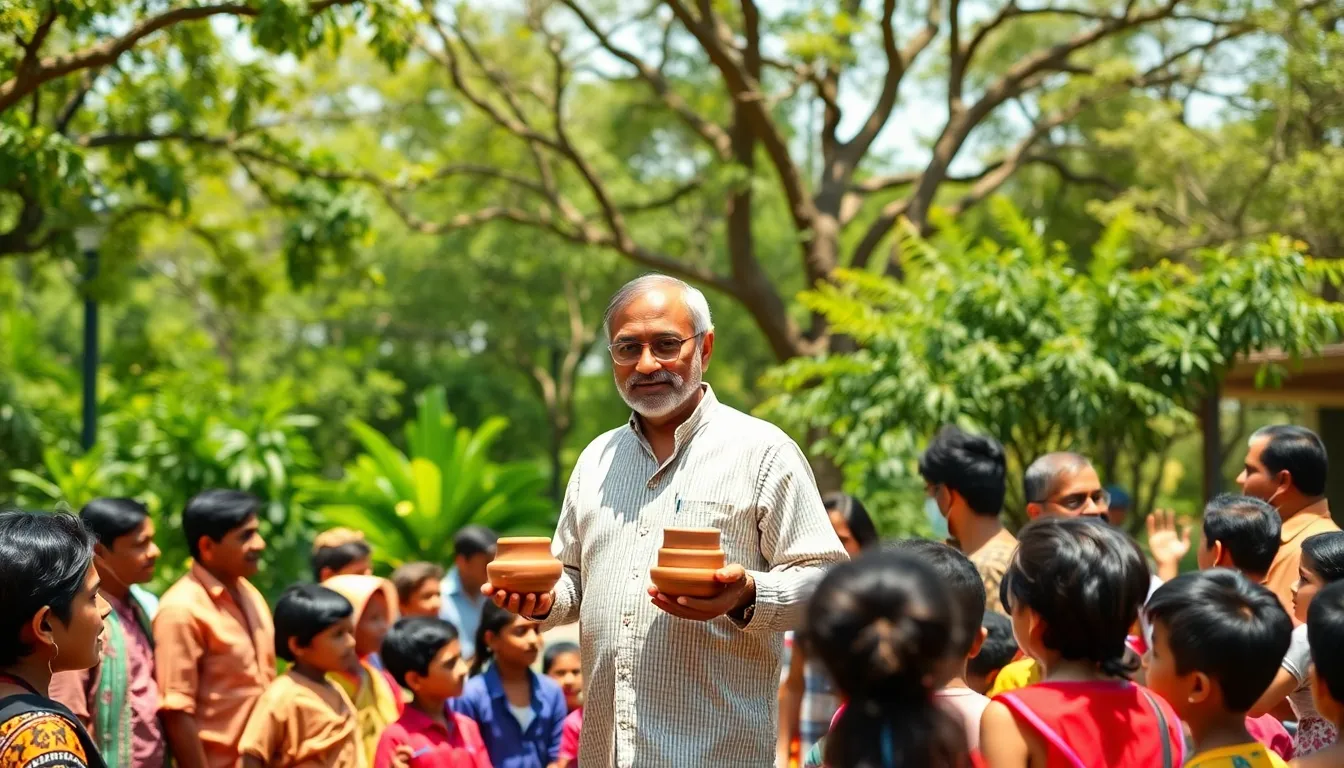
On June 5, 2024, Rajya Sabha MP Mayankbhai Nayak spearheaded a distinct celebration of World Environment Day in Mehsana district, Gujarat. The event focused on promoting the ‘Vocal for Local’ initiative, emphasizing the importance of local artisans and traditional crafts in environmental sustainability. Nayak’s campaign reached hundreds of residents by distributing eco-friendly clay pots, encouraging the use of natural materials over plastics and fostering a deeper connection with local ecosystems.
What Did Mayankbhai Nayak’s World Environment Day Initiative Involve?
The event, held at the Mehsana Collectorate grounds, involved the distribution of over 1,000 handmade clay pots sourced from local artisans in Mehsana and Sabarkantha districts. These pots serve as a practical tool to nurture plants, especially indigenous species, which are better adapted to Gujarat’s semi-arid climate. Nayak emphasized that clay pots are biodegradable, promote better plant growth, and reduce dependence on plastic pots, which contribute to environmental pollution.
In addition to the distribution, Nayak delivered a keynote speech highlighting the symbiotic relationship between environmental protection and the promotion of local economies. He called attention to the Gujarat State Handicrafts Development Corporation (GSHDC) programs that support artisans by providing training, marketing assistance, and financial aid. This initiative aligns with Gujarat’s broader environmental policies, including the state government’s recent tree planting campaigns across districts like Ahmedabad, Vadodara, and Rajkot.
Who Benefits From the ‘Vocal for Local’ Environmental Approach?
The policy and its promotion directly benefit multiple stakeholder groups in Gujarat:
- Local Artisans: Potters and craftsmen in districts such as Mehsana, Sabarkantha, and Kheda gain increased market access and recognition.
- Environmentally Conscious Residents: Citizens receive affordable, eco-friendly alternatives to plastic gardening products, supporting sustainable living.
- Government and Civic Bodies: Departments like the Gujarat Pollution Control Board (GPCB) and the Forest Department observe increased public participation in conservation efforts.
- Local Economy: Encouraging traditional crafts stimulates rural employment, reduces urban migration, and preserves cultural heritage.
Mehsana MLA Mukeshbhai Patel and former Rajya Sabha MP Jugalsinh Lakhundwala attended the event, expressing support for integrating environmental awareness with local economic development.
Why Did the Gujarat Government and Nayak Promote This Initiative?
Gujarat faces significant environmental challenges, including water scarcity, land degradation, and pollution from urbanization. Traditional crafts such as pottery use natural clay and firing methods that are carbon-neutral compared to industrial plastic manufacturing. The government aims to reduce plastic waste, which constitutes an estimated 10,000 tonnes annually in urban Gujarat, according to the GPCB 2023 report.
By promoting the ‘Vocal for Local’ campaign tied to environmental goals, Gujarat’s administration hopes to:
- Increase public awareness of sustainable consumption practices.
- Preserve indigenous knowledge and crafts at risk of fading.
- Support the livelihoods of approximately 50,000 artisans statewide, per the Gujarat Handicrafts Board’s 2024 data.
- Complement parallel initiatives like the cloth bag vending machines launched recently by the Gujarat Chief Minister, reducing single-use plastics in urban centers.
What Do Experts and Critics Say About This Approach?
Environmentalists praise the initiative’s emphasis on local materials and crafts. Dr. Rina Desai from the Gujarat Ecology Commission remarked, “Connecting environmental conservation with economic empowerment creates sustainable community models.”
However, some critics urge for broader systemic action. They argue that while clay pot distribution is valuable, it must be part of a larger framework addressing waste management, water conservation, and renewable energy adoption. Local NGOs in Ahmedabad have called for increased funding for artisan cooperatives to scale production and ensure fair wages.
What Should Gujarat Residents Do to Support and Benefit From This Initiative?
Residents interested in participating or benefiting from this environmental and economic initiative can take these specific steps:
- Obtain Clay Pots Locally: Visit designated distribution centers in Mehsana, Gandhinagar, or Sabarkantha districts where MP Nayak’s team and local artisans offer these pots.
- Engage With Artisan Groups: Contact the Gujarat Handicrafts Board (office in Gandhinagar) or local cooperative societies to learn about purchasing, workshops, and artisan support programs.
- Practice Sustainable Gardening: Use clay pots for growing native plants such as Neem, Peepal, or local herbs, benefiting both the environment and household health.
- Volunteer in Environmental Campaigns: Join government-led efforts like the tree planting initiatives or waste reduction drives coordinated by municipal bodies.
- Reduce Plastic Use: Utilize cloth bags and avoid single-use plastic products, supported by new vending machines installed across cities like Ahmedabad.
For more information and updates, Gujarat residents can visit the official Gujarat Environment Department portal at gujaratenvironment.gujarat.gov.in or contact the Mehsana District Collector’s office at Collectorate Road, Mehsana, Gujarat 384001.