
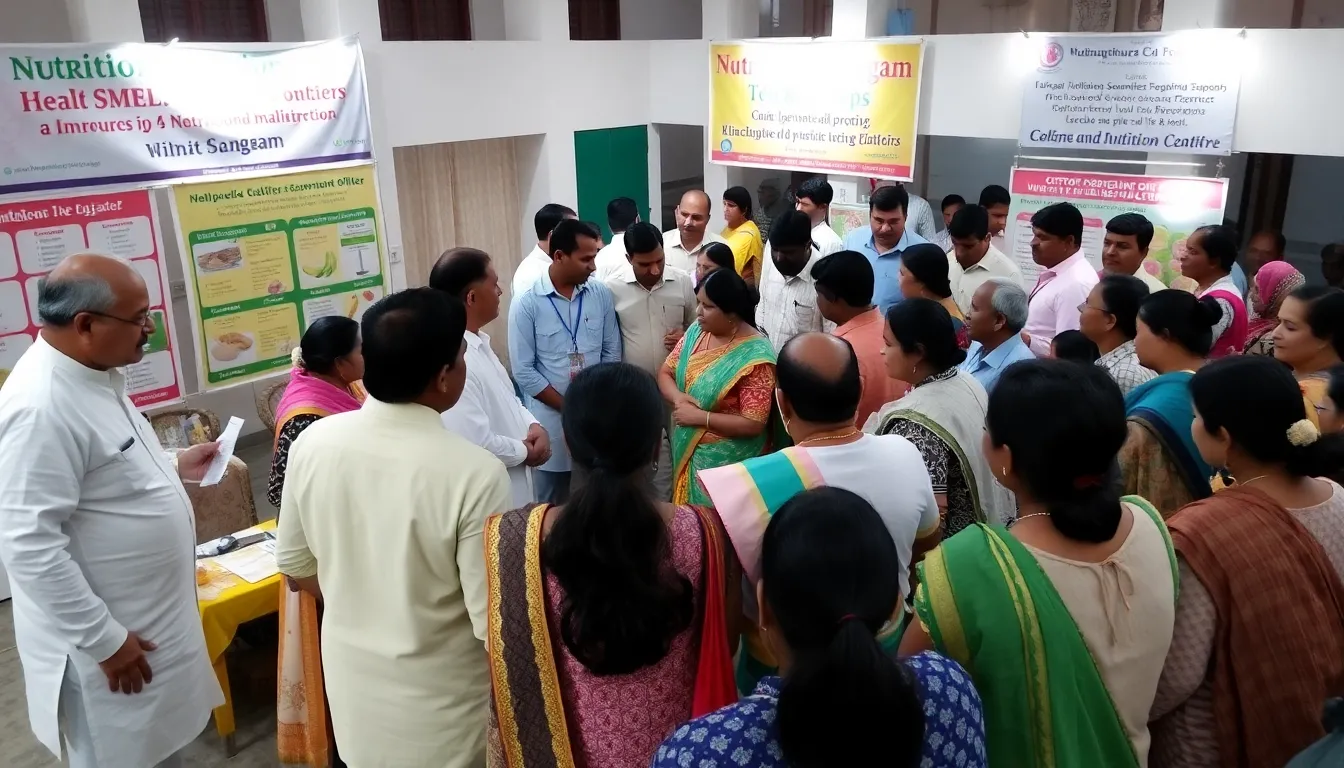
The Nutrition Sangam workshop held at the Regional Science Centre in Choramarpura, Patan, is a critical initiative for addressing malnutrition in Gujarat. This program directly benefits children under five, pregnant and lactating women, and vulnerable families in Patan district, where malnutrition rates have been a persistent public health concern. By equipping district health workers and community officials with enhanced knowledge and tools, the program aims to reduce acute malnutrition and promote sustainable nutritional practices across rural and urban areas.
What You Need Before You Start
To participate effectively in the Nutrition Sangam program, officials and field workers require several key documents and prerequisites:
- Official Authorization: Appointment letters or identity cards issued by the District Health Office or ICDS (Integrated Child Development Services) department confirming roles like CDPO or Anganwadi worker.
- Training Materials: Access to the Nutrition Sangam program manual, which includes the ten key steps and EGF+CMAM guidelines provided during the workshop.
- Community Data: Updated demographic and health data for their assigned villages or urban wards, including malnutrition rates, available from the District Health Information System.
- Monitoring Tools: Access to standardized growth charts, MUAC (Mid-Upper Arm Circumference) tapes, and reporting forms for documenting nutritional status.
- Coordination with Health Facilities: A clear communication channel with nearby Primary Health Centres (PHCs) and Community Health Centres (CHCs) in Patan district to refer severe cases of malnutrition.
Step-by-Step Process for Implementing the Nutrition Sangam Program
- Community Mobilization: Begin by conducting awareness sessions in villages and urban localities about nutrition, hygiene, and the importance of early detection of malnutrition.
- Screening and Identification: Use MUAC tapes and growth charts to screen children under five and pregnant women regularly. Identify moderate and severe acute malnutrition cases.
- Counselling and Feeding Support: Provide customized nutrition counselling to mothers and caregivers. Distribute supplementary nutrition through Anganwadi centres as per EGF+CMAM guidelines.
- Referral and Treatment: Refer severe acute malnutrition (SAM) cases to the nearest PHCs or Nutritional Rehabilitation Centres (NRCs) in Patan district for medical management.
- Follow-up Monitoring: Schedule regular home visits by community health workers to monitor progress, adherence to feeding plans, and hygiene practices.
- Data Reporting and Feedback: Maintain accurate records of interventions and outcomes. Submit monthly reports to the District Program Officer to track district-wide progress.
Important Details on Fees, Timeline, and Validity
The Nutrition Sangam program is government-funded and free of charge for all beneficiaries in Patan district. There are no fees for screening, counselling, or supplementary nutrition distribution. The program operates year-round with specific intensified activities during the monsoon (June to September) when malnutrition risks rise due to infections.
Training workshops for officials occur at least twice a year, with refresher sessions organized by the Gujarat State Health Department and ICDS. The validity of nutritional assessments is ongoing, requiring monthly updates for children under five until they reach five years of age or recover from malnutrition.
Official information and updates are accessible via the Gujarat Health and Family Welfare Department website at gujhealth.gujarat.gov.in. For reporting or assistance, local offices in Patan district can be contacted directly.
Common Questions Answered
- Who is eligible for the Nutrition Sangam program? All children below five years, pregnant and lactating women residing in Patan district are eligible for screening and support under this program.
- How often should children be screened for malnutrition? Monthly screening is recommended for children under five to detect growth faltering early and intervene promptly.
- Where can severe cases of malnutrition be treated in Patan? Severe acute malnutrition cases are referred to the Nutritional Rehabilitation Centre at Patan Civil Hospital or nearby PHCs equipped with CMAM facilities.
Tips and Common Mistakes to Avoid
- Maintaining Accurate Records: Ensure all screening and counselling sessions are documented to avoid missing follow-ups or misreporting cases.
- Community Engagement: Avoid neglecting community sensitization; involving local leaders and mothers’ groups helps improve program acceptance and success.
- Timely Referral: Do not delay referring severe malnutrition cases to health facilities, as early medical intervention is critical to prevent fatalities.
- Proper Use of Screening Tools: Use MUAC tapes correctly and calibrate weighing scales regularly to avoid misclassification of nutritional status.
- Continuous Training: Regularly update skills and knowledge through refresher courses offered by the District Health Office to stay current with best practices.
The Nutrition Sangam workshop in Patan aligns with similar initiatives across Gujarat, such as the recent Nutrition Workshop Held in Palanpur to Tackle Malnutrition, reinforcing the state’s commitment to combating malnutrition comprehensively. This collaborative approach ensures that knowledge and successful strategies are shared between districts.
By focusing on community involvement, regular monitoring, and coordinated healthcare, the Nutrition Sangam program aims to substantially improve nutritional outcomes in Patan district, contributing to healthier children and empowered families. The program also complements ongoing public health efforts, such as the Water Conservation Meeting Held in Patan with Cabinet Minister’s Presence, which addresses environmental factors affecting health.
Next Steps:
- Health workers should register for upcoming refresher training sessions via the Patan District Health Office.
- Community leaders must organize village meetings to raise awareness about nutrition and encourage participation.
- Families with children under five should visit their nearest Anganwadi centre or PHC for nutritional screening and support.