
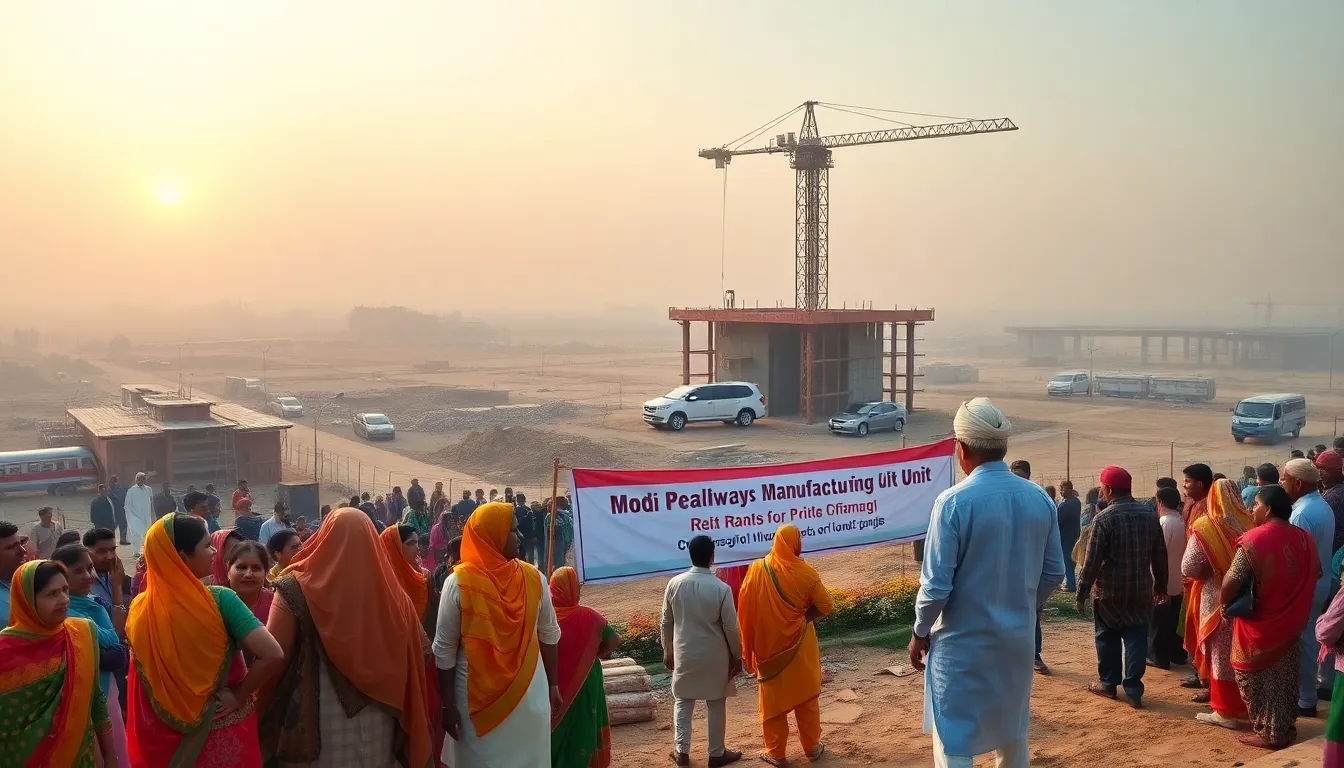
Prime Minister Narendra Modi will visit Dahod district in Gujarat on May 26 and 27 to inaugurate and lay the foundation stone for development projects valued at over ₹24,000 crores. This initiative aims to significantly transform the infrastructure and economic landscape of Dahod and its neighbouring regions in Central Gujarat.
5 Essential Documents and Requirements Before the Project Launch
For stakeholders, local authorities, and contractors involved in these projects, certain prerequisites must be fulfilled to ensure smooth execution:
- Project Approval Documents: All development schemes require clearance from the Gujarat Infrastructure Development Board and respective district planning authorities including Dahod and Mahisagar District Collector offices.
- Land Acquisition Records: Verified ownership and land acquisition documents approved by the Revenue Department of Gujarat, particularly for sites in Dahod and Vadodara districts.
- Environmental Clearances: Permissions from the Gujarat Pollution Control Board for railway manufacturing units and water supply schemes to ensure eco-compliance.
- Funding Sanctions: Official sanction letters from the Ministry of Railways and Gujarat State government confirming budget allocations and fund disbursement schedules.
- Local Community Consent: Agreements with local Gram Panchayats and tribal bodies, especially for projects such as the Adivasi museum and drinking water schemes affecting tribal villages.
7 Step-by-Step Process for Project Implementation in Dahod
- Inauguration and Foundation Ceremony: The Prime Minister will officially launch projects starting with the railway manufacturing unit and water supply schemes on May 26.
- Construction and Development: Contractors will begin work on railway workshops, doubling and electrification of lines, and water infrastructure following detailed project reports provided by Indian Railways and Gujarat Water Supply and Sewerage Board (GWSSB).
- Monitoring and Compliance: The Gujarat State Infrastructure Corporation (GSIC) will oversee progress, ensuring timelines and quality standards are met.
- Community Engagement: Continuous interaction with residents of the 193 villages and Dahod city to address concerns related to water supply and infrastructure upgrades.
- Job Creation and Skill Development: Local recruitment drives will be conducted to fill over 10,000 jobs created by the railway manufacturing unit, with support from the Gujarat Skill Development Mission.
- Periodic Reviews: Quarterly progress assessments by the District Development Committee chaired by the Dahod District Collector.
- Project Completion and Inauguration: Final commissioning of assets including the 9000 HP locomotive engines and municipal buildings, anticipated within a 3-5 year timeframe.
4 Important Details: Fees, Timeline, and Validity
- Investment Breakdown: The railway manufacturing unit alone costs ₹21,405 crores; total railway projects amount to ₹23,692 crores. Water schemes require ₹181 crores, road projects ₹581 crores, and other development works ₹286 crores.
- Project Timeline: Railway manufacturing and electrification projects are planned over a 10-year horizon, aiming to produce 1,200 high-powered locomotives. Drinking water schemes and municipal buildings have a completion target of 24-36 months.
- Validity Period: Approvals and funding commitments are valid for the duration of the projects; however, contractors must renew certain environmental and construction permits every 3 years.
- Fees and Charges: Applicable fees for environmental clearances and land use fall under Gujarat Pollution Control Board and Revenue Department guidelines, typically ranging between ₹50,000 and ₹5 lakhs depending on project scale.
3 Common Questions Answered About Dahod Development Projects
- Q1: How will the new railway manufacturing unit benefit local employment?
- The unit is expected to create over 10,000 direct jobs, with additional indirect employment through ancillary industries. Skill training programs will be organized in collaboration with the Gujarat Skill Development Mission to equip locals for these roles.
- Q2: Which villages will benefit from the new drinking water supply schemes?
- Approximately 193 villages in Dahod and Mahisagar districts, including tribal areas, will receive clean drinking water through the Namnar, Kheroli, Charangam, and Gothib group water supply schemes benefiting around 462,000 people.
- Q3: What improvements are planned in the Vadodara district road projects?
- Road infrastructure projects worth ₹581 crores include widening the Savli-Timba road and constructing new bridges to improve connectivity and support economic activities in Vadodara district.
5 Tips and Common Mistakes to Avoid During Project Execution
- Ensure Timely Documentation: Delays in submitting environmental or land clearance documents can stall project timelines.
- Maintain Community Engagement: Ignoring local concerns, especially in tribal areas, can lead to protests and legal hurdles.
- Regular Progress Monitoring: Lack of frequent inspections may result in quality compromises and budget overruns.
- Adhere to Safety Norms: Railway manufacturing and construction sites must comply with Gujarat Factories Rules to prevent accidents.
- Leverage Government Portals: Use official websites such as the Gujarat Infrastructure Development Board (gidb.gujarat.gov.in) and Indian Railways (indianrailways.gov.in) for updates and compliance guidelines.
This landmark development drive complements other recent initiatives such as the ₹53,000 crore projects in Bhuj and the ₹358.37 crore schemes launched by the Gujarat Chief Minister, collectively enhancing the state’s infrastructure and economic vitality.
Official Resources: For more information, contact the Dahod District Collectorate at +91-2672-222222 or visit dahod.gujarat.gov.in. The Gujarat Infrastructure Development Board helpline is +91-79-2325 4567, with details also available at gidb.gujarat.gov.in.