
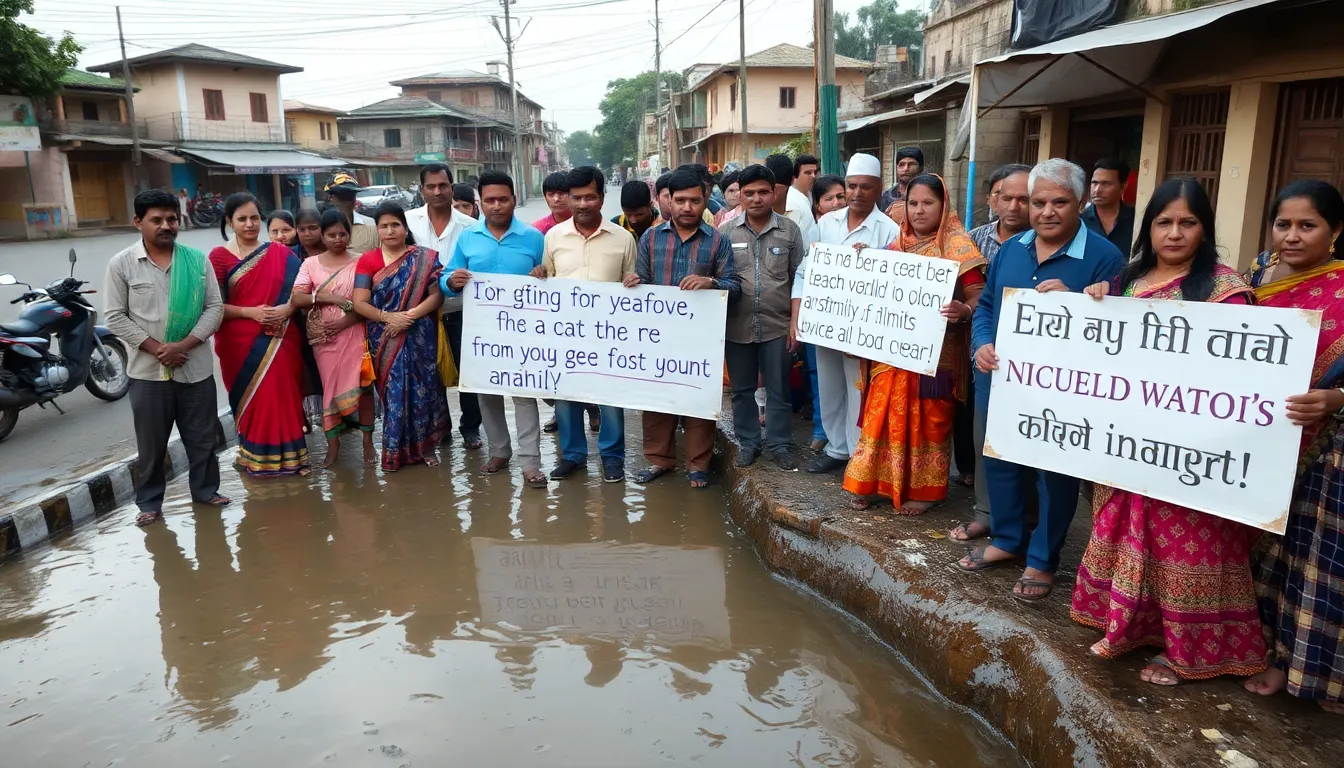
Over the past 12 months, residents of Ward 9 in Patan city, Gujarat, have been grappling with overflowing underground drains that have transformed the locality into a health hazard zone. The Krishna Society area, home to approximately 2,500 residents, has witnessed continuous sewer overflow resulting in stagnant pools of contaminated water on public streets, raising urgent concerns about sanitation and public health.
3 Key Provisions of the Patan Sewerage Management Policy
The Patan Municipality Sewerage Management Policy, last updated in the municipal gazette notification dated 15 March 2022, outlines specific responsibilities and operational standards for sewer maintenance:
- Regular Maintenance and Cleaning: The municipal Public Health Engineering Department (PHED) is mandated to conduct quarterly cleaning and inspection of underground drains to prevent blockages.
- Infrastructure Upgrade: Annual budget allocations of ₹5 crore have been earmarked for upgrading sewer lines in high-density wards such as Ward 9, with priority given to Krishna Society.
- Community Grievance Redressal: A dedicated grievance cell under the Patan Municipality is to acknowledge and resolve sewer complaints within 15 working days.
Despite these provisions, residents report that these measures have not been effectively implemented in their area.
5 Groups Most Affected by Sewer Overflow in Patan
The overflowing sewers impact several segments of the Patan population, notably:
- Residents of Krishna Society: Directly exposed to stagnant sewage water, increasing exposure to waterborne diseases.
- Children and Elderly: Vulnerable groups facing higher risks of infections such as cholera, dengue, and skin ailments.
- Local Businesses and Shops: Waterlogging deters customers and damages goods, affecting livelihoods.
- Healthcare Facilities: Nearby clinics report increased cases of gastrointestinal and respiratory illnesses linked to poor sanitation.
- Municipal Workers: Sanitation staff face higher occupational hazards due to inadequate maintenance protocols.
4 Reasons Behind the Persistent Sewer Overflow Problem
Officials from the Patan Municipality attribute the sewer overflow to multiple factors:
- Inadequate Sewer Capacity: The sewer infrastructure, designed over 20 years ago, cannot accommodate the current population density of Ward 9, which has grown by 30% since 2010 according to the latest census.
- Delayed Maintenance: Budgetary constraints and manpower shortages have led to infrequent drain cleaning, violating the quarterly maintenance guideline.
- Illegal Waste Disposal: Residents and commercial establishments disposing solid waste and grease into drains exacerbate blockages.
- Monsoon Impact: Heavy rainfall during the 2023 monsoon season overwhelmed the drainage system, causing widespread overflow.
3 Criticisms and Stakeholder Perspectives
Several local leaders and public health experts have voiced concerns over the municipality’s handling of the crisis:
- Residents’ Association: The Krishna Society Residents Welfare Association has criticized the municipality for ignoring repeated complaints filed since April 2023.
- Opposition Politicians: Congress party representatives in Patan district have called the issue a “failure of governance” and pledged support for forthcoming protests.
- Public Health Officials: Experts warn that continued exposure to sewage overflow could trigger outbreaks of infectious diseases similar to those documented in garbage-contaminated areas near Patan Ashish Vidyalaya.
Meanwhile, the municipality’s Public Relations Officer stated that “steps are underway to clear blockages and expedite sewer line upgrades, with completion targeted by December 2024.” However, residents remain skeptical as tangible improvements have yet to materialize.
4 Practical Steps Residents Can Take Now
To mitigate risks and prompt action, residents and local stakeholders should consider the following:
- Document Complaints: Maintain records of all complaints submitted to the Patan Municipality grievance cell to establish accountability.
- Engage Local Representatives: Involve ward councillors and district health officials to raise the issue during official meetings.
- Community Awareness: Organize health awareness sessions, possibly collaborating with institutions like KK Girls High School, to educate on hygiene and disease prevention.
- Prepare for Protest: Coordinate with local leaders and political parties, such as Congress, to ensure peaceful and effective demonstrations at the municipality office if demands remain unmet.
Residents of Patan’s Ward 9 are determined to reclaim their right to a clean and safe environment. The ongoing sewer overflow crisis underscores the urgent need for improved urban infrastructure and responsive governance in rapidly growing areas of Gujarat.
For the broader Patan community, this issue also serves as a reminder of the critical importance of maintaining public health infrastructure and the consequences when these systems fail.
Related coverage includes the recent fake doctor arrest in Patan, highlighting ongoing public health challenges, and the quick response by residents during a fire incident in Patan, showing community resilience despite infrastructural shortcomings.
Next Steps for Residents and Authorities:
- Residents should submit formal complaints through the Patan Municipality’s grievance portal or office.
- Municipality officials must prioritize clearing blockages and commence urgent sewer upgrades in Ward 9.
- Local health authorities should monitor waterborne disease indicators and conduct regular sanitation inspections.