
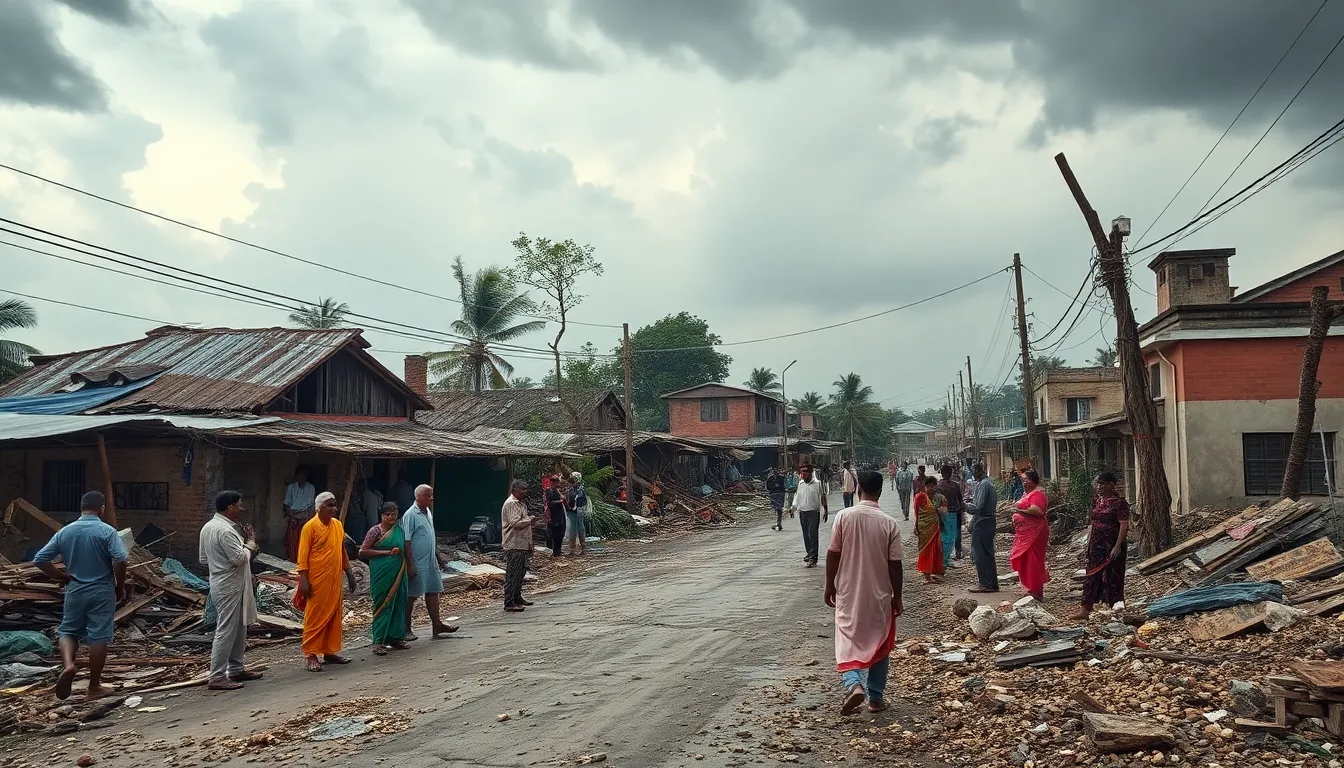
The recent storm and heavy rains that struck Amirgarh in Banaskantha district on the night of June 23 caused widespread damage affecting residents, farmers, and infrastructure. The India Meteorological Department (IMD) had issued a weather advisory for northern Gujarat, highlighting potential heavy rainfall and strong winds in the region. This advisory was crucial for residents in Banaskantha and neighbouring districts, alerting them to take necessary precautions to safeguard life and property.
3 Key Points the Advisory Highlights
The official advisory from the Gujarat State Emergency Operations Centre and IMD emphasized:
- Heavy rainfall between 70 to 100 mm expected in Banaskantha and adjoining districts over 24 hours.
- Strong winds reaching speeds of up to 60 km/h with possible gusts causing uprooting of trees and damage to weak structures.
- Lightning and thunderstorm activity increasing risks of power outages and disruption to communication networks.
Residents were urged to avoid unnecessary travel and secure loose objects to prevent damage.
4 Reasons Why This Advisory Was Issued
The meteorological conditions leading to this severe weather included:
- A low-pressure system developing over the Arabian Sea intensified moisture transport into northern Gujarat.
- Banaskantha’s geographical location, bordering Rajasthan’s arid zone, makes it vulnerable to sudden wind gusts during monsoon onset.
- Recent rains had saturated the soil, increasing vulnerability to uprooting of trees and weakening building structures.
- The ongoing monsoon pattern is linked to a broader regional trend of erratic heavy rainfall events, also impacting areas such as Palanpur where heavy rains caused flooding, as reported recently.
5 Steps You Should Take Now
- Stay indoors and avoid venturing out unless absolutely necessary, especially during heavy winds and lightning.
- Secure or remove loose items like tin sheets, potted plants, and outdoor furniture to prevent injury or damage.
- Check and clear nearby drainage systems to prevent waterlogging and flooding in low-lying areas.
- Keep emergency supplies ready: flashlight, drinking water, medicines, and important documents.
- Monitor local news and official updates from the Banaskantha District Collectorate and IMD websites.
4 Emergency Contacts in Banaskantha
- Banaskantha District Collector Office: +91 2762 220 123
- Gujarat State Emergency Operations Centre: 108
- Banaskantha Police Control Room: 100
- Electricity Board (GETCO) Banaskantha: 1912 (for power outages)
5 Historical Incidents and Trends in Banaskantha
Banaskantha has experienced multiple severe weather events in recent years. In August 2021, heavy rains led to flooding in Palanpur, disrupting transport and damaging crops. Similarly, the district has seen periodic wind storms during monsoon onset causing damage to agricultural land and infrastructure. These events have highlighted the need for enhanced early warning systems and community preparedness.
According to the Banaskantha Agricultural Department, losses from storms in 2023 alone amounted to approximately ₹7 crore, predominantly affecting millet and cotton farmers. Local authorities have since increased efforts to distribute weather advisories and compensation schemes for affected farmers under the Gujarat State Disaster Management Authority.
Amirgarh’s current devastation underscores the importance of heeding official warnings and coordinating relief efforts promptly. Recent reports also link these weather anomalies to climate change impacts, with Gujarat witnessing more frequent extreme rainfall episodes, similar to disruptions caused elsewhere in the state, such as the heavy rains across Gujarat.
Next Steps:
- First, residents should contact local authorities if immediate assistance is required.
- Second, farmers should document crop damage and register for compensation with the Banaskantha Agriculture Department.
- Third, community members are encouraged to assist vulnerable neighbours and participate in clean-up drives to restore normalcy efficiently.