
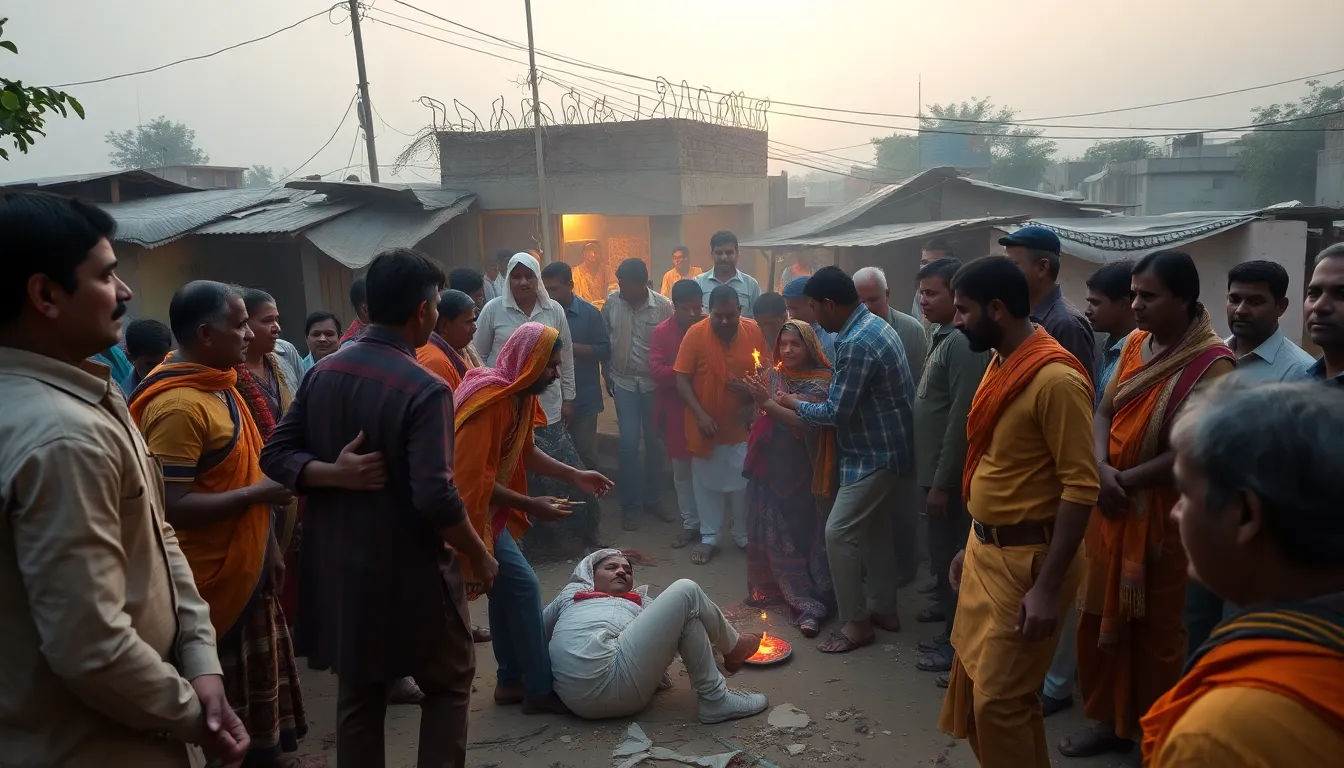
5 injured in a violent clash over a wedding invitation in Wagdod village, Surendranagar district, Gujarat, on June 15, 2024, highlighting deep-seated community tensions and the fragility of social harmony in rural areas. This incident underscores the urgent need for proactive conflict resolution and community engagement in Gujarat’s local governance.
4 Key Facts About What Happened in Wagdod
The clash occurred during the wedding ceremony of Malsangji, a nephew of Hamirji Thakor, when an invitation extended to the family of Lakshmanji Thakor sparked conflict despite no prior grievances between the two families. The confrontation escalated quickly on June 15 evening, with members from both groups wielding swords and sharp weapons. According to the Wagdod police station records, five individuals sustained injuries requiring hospitalization at the Surendranagar Civil Hospital. Both parties filed complaints, leading to cases registered against 14 people under sections related to rioting and assault.
The police investigation is ongoing, with officers collecting statements from witnesses and reviewing CCTV footage from nearby areas. The district police commissioner, Mr. Ramesh Patel, stated that “strict action will be taken against those responsible to restore peace and security.” Local community leaders have called for calm and urged families to avoid further provocations.
3 Reasons Why This Matters for Gujarat
- Social Fabric at Risk: Gujarat, with its diverse caste and community groups, has witnessed multiple flare-ups over social disputes, such as the recent Sabarkantha dairy price protest violence and Dahod elopement dispute clashes. Incidents like Wagdod’s threaten communal harmony and local stability.
- Impact on Public Safety: The use of weapons in a wedding-related altercation raises concerns about law enforcement preparedness and the need for better conflict prevention measures in rural districts like Surendranagar.
- Political and Administrative Pressure: Such violent episodes put pressure on district administrations to prioritize community policing and dispute resolution mechanisms, which are crucial for maintaining Gujarat’s reputation as a peaceful state conducive to economic growth and tourism.
5 Background Points on Community Conflicts in Gujarat
Gujarat’s social landscape includes numerous communities and sub-castes with complex histories of cooperation and conflict. The Thakor community, predominant in Surendranagar and neighboring districts, often plays a significant role in local socio-political dynamics. Historically, disputes over marriage alliances, land rights, and social status have triggered violence.
Local governance bodies such as the Gram Panchayat and district-level peace committees are tasked with mediating conflicts but face challenges due to entrenched sentiments. The state government’s Special Task Force on Communal Harmony, established in 2020, aims to address such issues by promoting dialogue and swift action.
Recent violent incidents in rural Gujarat, including in Kapadvanj and Jiva village, illustrate recurring patterns where minor disputes escalate rapidly without timely intervention.
6 Statistical Insights and Comparisons
- According to the Gujarat Crime Records Bureau, communal and caste-related violence accounted for approximately 7% of all reported violent crimes in Surendranagar district in 2023, with a 12% increase compared to 2022.
- The district police registered over 150 cases related to interpersonal and community disputes in the first five months of 2024 alone, indicating rising social tensions.
- Surendranagar’s population is around 1.76 million (2011 Census), with a significant proportion belonging to agrarian and artisan communities, making social stability critical for economic activities.
- In comparison, districts like Sabarkantha and Dahod have also reported spikes in violence due to socio-economic grievances, emphasizing the need for tailored conflict resolution at the grassroots level.
4 Steps Forward: What Comes Next for Wagdod and Gujarat
- Enhanced Police Presence: Surendranagar district administration plans to increase patrolling and establish rapid response teams to prevent further escalation in Wagdod and surrounding villages.
- Community Mediation Forums: The local Gram Panchayat, in collaboration with NGOs specializing in conflict resolution, will organize dialogue sessions involving elders and youth from both families and communities.
- Awareness Campaigns: The district Social Welfare Department will launch awareness programs on peaceful dispute resolution and the legal consequences of violence, targeting rural populations.
- Reporting Mechanisms: Police urge villagers to report threats or suspicious gatherings promptly via the Surendranagar district helpline (Dial 100 or 02752-xxxxxx) to ensure timely intervention.
The Wagdod incident serves as a stark example of how seemingly minor social events can ignite latent tensions, causing harm and disrupting community life. Strengthening communication channels, fostering mutual respect, and proactive governance are essential to preventing such violence.
Bottom Line: The violent clash in Wagdod highlights the need for immediate community dialogue and stronger law enforcement to safeguard peace in Gujarat’s rural districts; residents should report disputes early and seek local mediation to maintain harmony.