
{
“content”: “
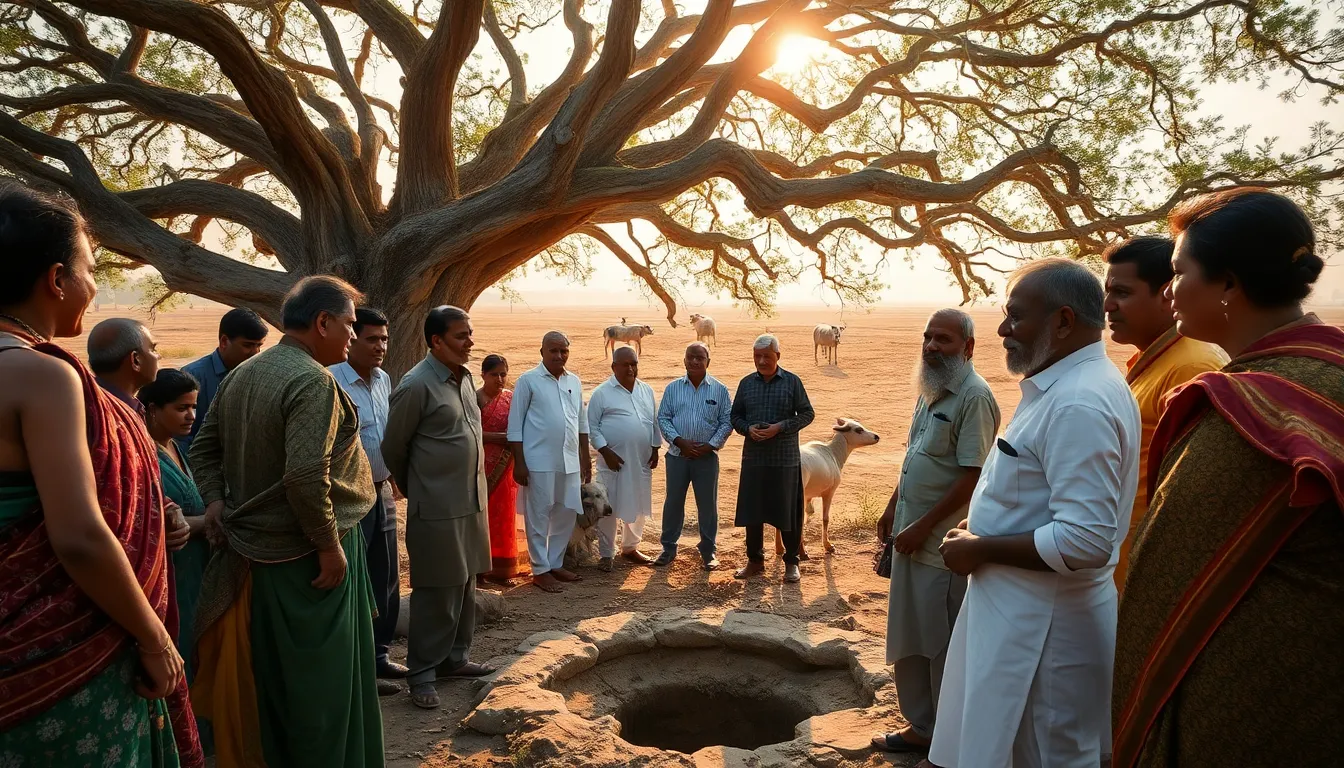
The residents of Kakoshi village in Siddhapur Taluka, Patan district, are enduring a severe water crisis this summer, impacting both their daily lives and agricultural activities. Despite having three boreholes within the village, the water supply remains insufficient and irregular, leaving over 1,200 villagers and their livestock struggling to secure clean drinking water. The failure of local government bodies to ensure an adequate water supply has intensified distress in this rural community, highlighting critical gaps in water resource management during peak summer months.
\n\n
5 Key Facts About Kakoshi’s Water Crisis
\n
- \n
- Location: Kakoshi village, Siddhapur Taluka, Patan district, Gujarat
- Population affected: Approximately 1,200 residents and their livestock
- Water sources: Three boreholes, irregular Narmada canal supply
- Government response: No sustained water supply; recent intervention by former MLA Chandanji Thakore
- Temperature impact: Summer temperatures regularly exceeding 40°C, exacerbating water scarcity
\n
\n
\n
\n
\n
\n\n
3 Districts in Gujarat Facing Similar Water Challenges
\n
Kakoshi’s water crisis is not isolated. Nearby districts such as Kheda, Banaskantha, and Amreli are also struggling with water shortages during this intense summer season. For instance, Amreli district recently witnessed a water tank collapse that affected seven villages, while in Kapadvanj, the Charaniya village has been battling a similar scarcity. These regional shortages underscore the urgent need for improved infrastructure and governance across Gujarat’s rural landscape.
\n\n
The Full Story
\n
Kakoshi village’s water crisis stems from a combination of factors, including inefficient management of Narmada canal water, declining groundwater levels, and inadequate maintenance of existing boreholes. According to the Siddhapur Taluka Panchayat records, the Narmada canal water supply intended for Kakoshi has been irregular since early April 2024, with no scheduled deliveries over the past three weeks. The boreholes, drilled between 2018 and 2020 under the Gujarat Rural Water Supply Program, have suffered from frequent mechanical failures and low water output due to depleted aquifers.
\n
Villagers reported that they now spend up to ₹500 weekly on private water tankers, a significant expense given the local average household income of ₹7,000 per month. The lack of government-arranged water supply has forced community members to organize collective water purchases, but this is not a sustainable solution.
\n
On June 20, 2024, former MLA Chandanji Thakore visited Kakoshi village to assess the situation firsthand. He held discussions with village panchayat officials, including the panchayat administrator Mr. Rajesh Patel and village clerk Mrs. Meena Desai. Also present was Deputy Chief of the Taluka Panchayat Dashrathbhai Patel. The delegation focused on identifying immediate relief measures and long-term infrastructure needs to resolve the water crisis.
\n
Thakore pledged to coordinate with the Gujarat Water Supply and Sewerage Board (GWSSB) and the Patan District Collectorate to expedite the repair of boreholes and ensure scheduled Narmada canal water delivery. He emphasized the importance of involving the local community in water conservation efforts and promised updates within two weeks on government action plans.
\n\n
Historical and Cultural Context
\n
Kakoshi village, located near the historical town of Siddhapur, has traditionally relied on groundwater and canal irrigation systems established during the 1970s Gujarat Water Development Projects. The Narmada canal system, a lifeline for many villages in Patan district, was designed to supplement monsoon-dependent agriculture and provide drinking water. However, over the decades, increased demand, erratic rainfall patterns due to climate change, and limited maintenance have undermined the system’s reliability.
\n
The villagers of Kakoshi have a strong agrarian culture, with farming and cattle rearing as primary livelihoods. Water scarcity directly threatens their crops, livestock, and daily needs. Historically, community-led water management systems called ‘Kuvas’ and ‘Stepwells’ were used, but many have fallen into disrepair. Restoration of such traditional water harvesting structures has been proposed in other regions of Gujarat, such as Sankheda village in Vadodara district, where women-led initiatives are working to improve water access.
\n\n
Current Status and Government Efforts
\n
As of June 25, 2024, the Siddhapur Taluka Panchayat has allocated ₹12 lakh from the district’s water conservation fund for repairs of Kakoshi’s boreholes and upgrading canal infrastructure. The Patan Collectorate has directed officials to monitor water delivery schedules from the Narmada canal and ensure uninterrupted supply. Additionally, the Gujarat Rural Development Department is considering launching a pilot rainwater harvesting scheme targeting Kakoshi and surrounding villages.
\n
However, villagers report that immediate relief remains limited, with water tankers still the primary source. The local administration has promised to deploy two water tankers daily to Kakoshi until borehole repairs are complete, expected within 15 days. Government officials urge residents to use water judiciously and participate in scheduled water conservation workshops planned for July.
\n\n
Community Impact and Response
\n
The water shortage has had significant social and economic repercussions in Kakoshi. Schools have reported absenteeism among children due to water-related health issues, and women face increased burdens in fetching water from distant sources. Livestock mortality rates have reportedly risen by 10% in the past month, according to the Veterinary Department’s Siddhapur office.
\n
Community leaders have formed a Water Management Committee to liaise with officials and oversee fair water distribution. This committee works closely with the local panchayat to document water needs and report supply inconsistencies. Villagers have also requested technical assistance from the Gujarat Institute of Desert Ecology in Bhuj, known for expertise in arid region water solutions.
\n\n
How to Get Involved or Report Issues
\n
Residents and concerned individuals can engage through the following steps to support Kakoshi’s water crisis resolution:
\n
- \n
- Contact the Siddhapur Taluka Panchayat office at +91 2764 123456 to report water supply issues.
- Participate in community water conservation workshops scheduled at the village panchayat hall from July 5 onwards.
- Volunteer or donate to local NGOs working on rural water sustainability in Patan district.
- Monitor updates on government water schemes on the official Gujarat Water Supply and Sewerage Board website (gwssb.gujarat.gov.in).
- Share verified reports and raise awareness through local media or social platforms with the hashtag #WaterForKakoshi.
\n
\n
\n
\n
\n
\n\n
Official Resources
\n
For more information or to lodge complaints regarding water supply in Kakoshi village, contact the Patan District Collectorate Water Resource Cell at +91 2764 654321 or email [email protected]. The Gujarat Water Supply and Sewerage Board (GWSSB) helpline is available at 1800-233-3456. Updates on water conservation schemes and emergency relief efforts are regularly posted on the GWSSB website.
“,
“yoast_title”: “Water Crisis in Kakoshi Village: Siddhapur Taluka Update”,
“yoast_description”: “Water crisis worsens in Kakoshi village, Siddhapur Taluka. Learn the latest updates, government actions, and how locals can get help or get involved.”,
“focus_keyphrase”: “water crisis kakoshi village”,
“tags”: [“patan district”, “siddhapur taluka”, “narmada canal”,