
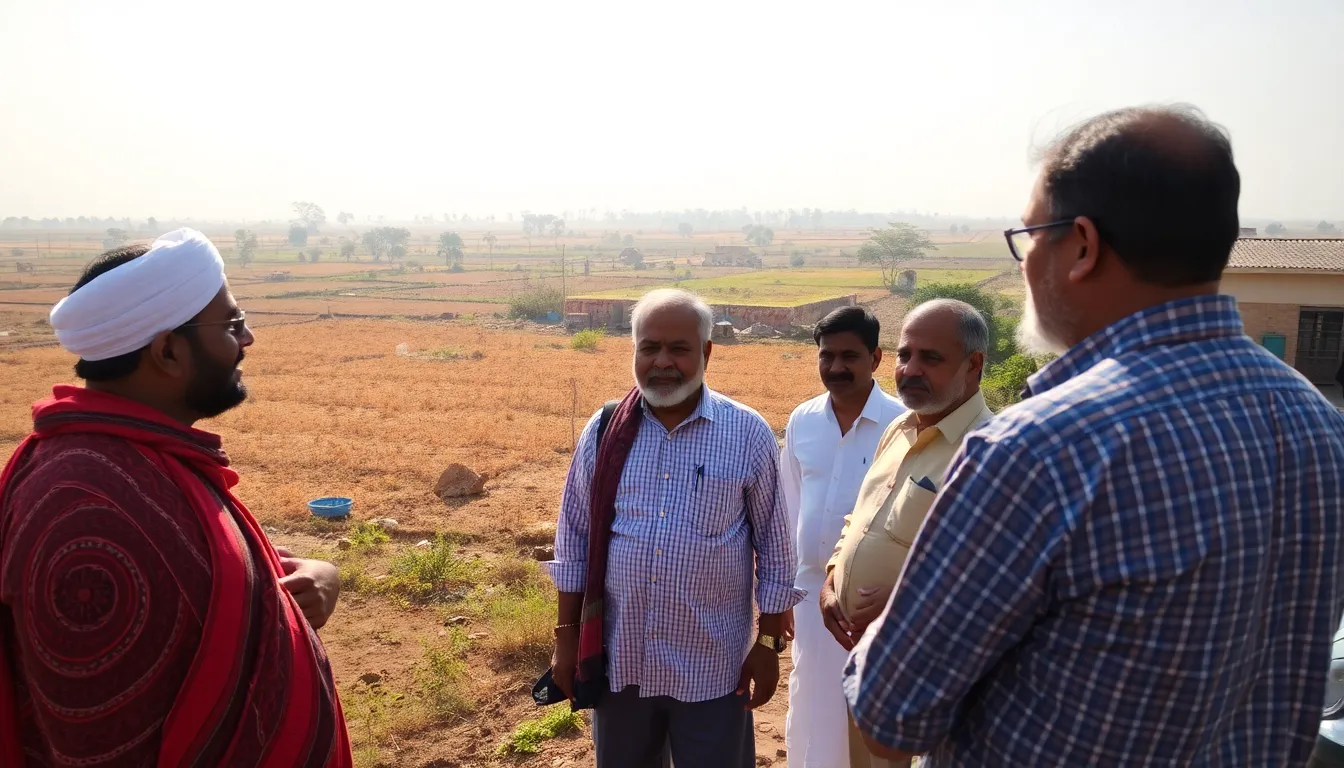
On June 10, 2024, Kunvarjibhai Bavaliya, Gujarat’s Minister of Water Resources and Supply, conducted an extensive visit to Banaskantha district to oversee key water supply enhancement projects. His inspection focused on critical infrastructure such as the Mitha sub-head works and the Gadh branch canal strengthening in Palanpur taluka, aiming to address water scarcity challenges ahead of the summer season.
Understand Project Details and Scope
The Mitha sub-head works are integral to the Narmada Canal-based BK 4 Phase 3B water supply scheme, designed to deliver up to 10 lakh litres of water daily. This project, funded by the Gujarat Water Supply and Sewerage Board (GWSSB) with an estimated cost of ₹18 crore, targets improving water delivery in 11 villages including Vadana, Khara, Kunwala, and Sanesda. The strengthening of the Gadh branch canal in Palanpur taluka involves civil engineering upgrades to prevent leakages and enhance water flow efficiency, with an allocated budget of ₹12 crore. Both projects are slated for completion by December 2024, with contracts awarded to Gujarat State Water Infrastructure Limited (GSWIL).
Identify Areas and Districts Covered
The water supply improvements primarily cover rural and semi-urban areas of Banaskantha, focusing on Palanpur taluka and surrounding villages. Additional planning sessions addressed water delivery challenges in Diyodar and Bhabhar talukas, which have historically faced low groundwater levels and erratic water supply during dry months. The initiatives complement ongoing efforts in nearby districts, consistent with the government’s regional water management strategy.
Recognize How It Will Benefit Citizens
These projects aim to ensure reliable drinking water access for more than 26,000 residents, directly impacting public health and agricultural productivity. Reliable water supply supports livestock maintenance and reduces dependence on costly water tankers during peak summer months. Enhanced irrigation infrastructure is expected to improve water availability for farming activities, contributing to the state government’s goal of doubling farmer incomes as emphasized by Chief Minister Bhupendra Patel and under the leadership of Prime Minister Narendra Modi. Additionally, groundwater recharge initiatives like the ‘Catch the Rain’ and ‘Sujalam Sufalam’ campaigns are being integrated to sustain long-term water security.
Review Current Status and Next Milestones
Minister Bavaliya’s visit included on-site discussions with local officials and residents to evaluate progress and identify immediate needs. Officials confirmed that tanker services and borewell drilling are being deployed in critical areas lacking sufficient water supply. The next major milestone involves completing the canal strengthening works by September 2024, followed by full operationalization of the Mitha sub-head works by December. Monitoring systems are being installed to track water flow and quality, ensuring transparency and timely interventions.
Explain Background: Why Improvements Were Needed
Banaskantha district faces acute water stress during summer due to uneven rainfall patterns and aging irrigation infrastructure. According to the Gujarat State Water Board, several canals in the district, including parts of the Gadh branch, had become dilapidated, threatening water supply reliability as reported prior to the monsoon season. These conditions compromise agricultural output and daily water access for households. The government’s proactive measures address these longstanding challenges, aligning with state-wide water conservation and sustainability goals. For more context, see the dilapidated canals threat article.
Minister Bavaliya’s engagement also reflects lessons learned from similar projects in the region, such as recent work in Harij and Sami talukas aimed at improving drinking water management (Harij and Sami works visit), underscoring a coordinated approach to water resource management across Banaskantha.
Bottom Line
The government’s focused investment of approximately ₹30 crore in Banaskantha’s water infrastructure marks a significant step towards secure, equitable water supply for thousands of residents and farmers. Citizens are encouraged to engage with local GWSSB offices for updates and to report supply issues promptly to ensure continued improvements ahead of the summer heat.