
{
“content”: “
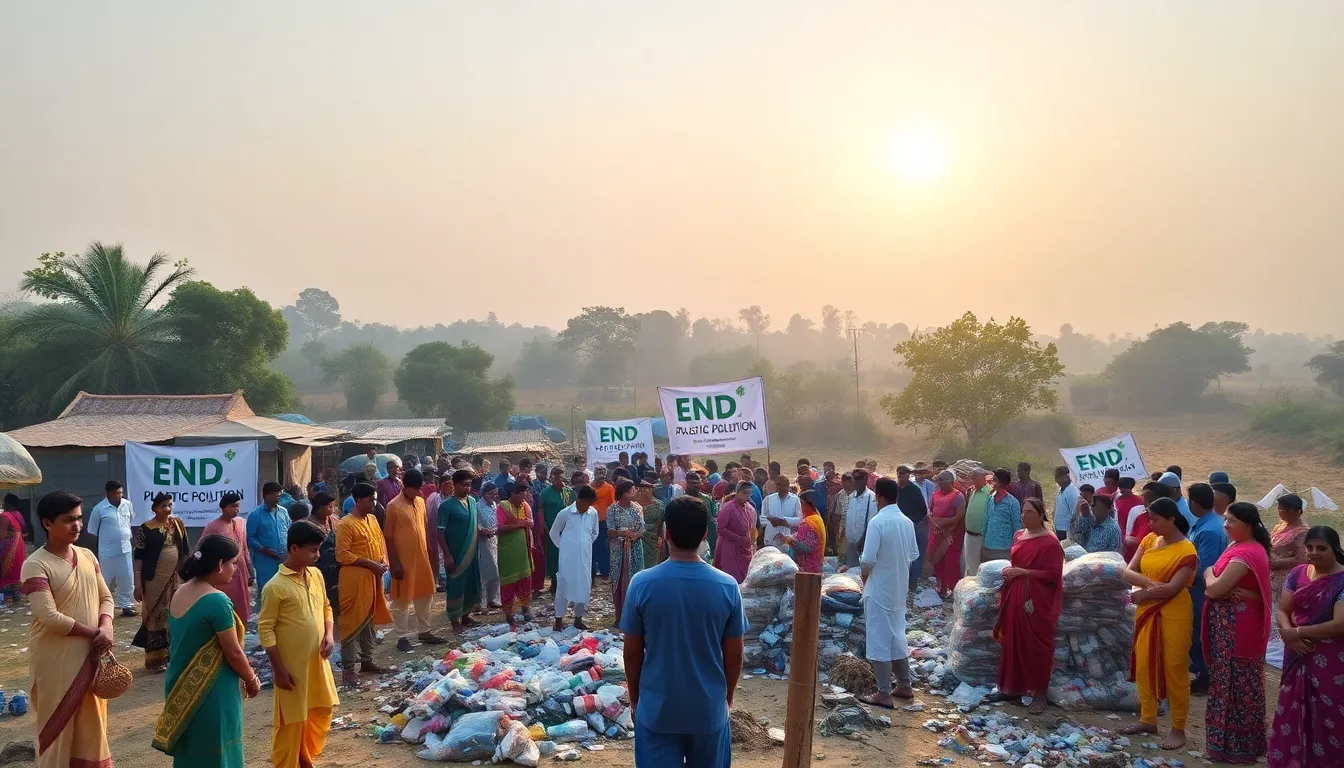
On May 23, 2025, Gujarat achieved a significant milestone in its environmental conservation efforts by collecting approximately 2,700 kilograms of plastic waste during World Environment Day (WED) celebrations. This event formed part of a comprehensive campaign running from May 22 to June 5, 2025, focused on the theme ‘End Plastic Pollution’. The campaign aimed to mobilize citizens, government bodies, and local administrations across Gujarat to actively participate in reducing plastic pollution through awareness, collection drives, and sustainable alternatives.
\n\n
6 Key Provisions of the Plastic Waste Management Policy in Gujarat
\n
The campaign aligns with the broader Plastic Waste Management Rules, 2016, and Gujarat’s state-level initiatives spearheaded by the Forest and Environment Department and the Climate Change Department. The key provisions emphasized during the campaign included:
\n
- \n
- Ban on Single-Use Plastic: Strict enforcement of bans on single-use plastic items such as bags, cups, and straws across all 33 districts, as notified in the Gujarat Government Gazette dated March 15, 2024.
- Segregation at Source: Mandatory segregation of plastic waste at the household and commercial levels, coordinated by local municipal bodies including Ahmedabad Municipal Corporation and Surat Municipal Corporation.
- Extended Producer Responsibility (EPR): Manufacturers and importers of plastic products must ensure collection and recycling of plastic waste equal to the amount they produce.
- Community Participation: Engagement of local NGOs, educational institutions such as the Gujarat Ecology Commission, and volunteers to conduct cleanliness drives and awareness programs.
- Establishment of Collection Centers: Setting up dedicated plastic waste collection centers in rural and urban areas, including districts like Mehsana and Vadodara.
- Use of Technology: Introduction of the My Life portal by the Ministry of Environment, Forest and Climate Change (MoEF&CC) to monitor state-wise progress and report real-time data on plastic waste collection and recycling.
\n
\n
\n
\n
\n
\n
\n\n
5 Districts Most Affected and Their Role in the Campaign
\n
The campaign saw active participation from several districts with high urban populations and industrial activity contributing to significant plastic consumption:
\n
- \n
- Ahmedabad: Volunteers collected over 800 kilos of plastic waste during local drives, supported by the Ahmedabad Municipal Corporation’s waste management division.
- Surat: Known for its textile and diamond industries, Surat’s environmental wing organized seminars and collected nearly 600 kilos of plastic waste.
- Mehsana: Ahead of WED, Mehsana district implemented strict crackdowns on single-use plastic, resulting in 400 kilos of collected waste and increased compliance among retailers. (Related coverage)
- Valsad: Coastal district Valsad contributed 300 kilos through beach clean-up drives, highlighting plastic pollution’s impact on marine biodiversity.
- Bhavnagar: The forestry department coordinated efforts to clear plastic waste from forested areas, collecting 200 kilos and promoting eco-tourism friendly policies.
\n
\n
\n
\n
\n
\n\n
4 Reasons Behind Gujarat Government’s Strong Emphasis on Plastic Waste Reduction
\n
The Gujarat government’s renewed focus on plastic waste management and the WED campaign is driven by several critical factors:
\n
- \n
- Environmental Protection: Gujarat’s 2,340 km coastline faces threats from marine plastic pollution, affecting fisheries and biodiversity, particularly in districts like Jamnagar and Porbandar.
- Health Concerns: Plastic waste contributes to waterborne diseases and soil contamination, impacting public health in urban centers such as Gandhinagar and Rajkot.
- Economic Impact: Plastic pollution affects tourism and fisheries, which are vital to Gujarat’s economy, prompting the state to align with national goals under the Swachh Bharat Mission.
- Legal Mandates: Compliance with the MoEF&CC’s Plastic Waste Management Rules and the state’s environmental policies requires active citizen participation and enforcement mechanisms.
\n
\n
\n
\n
\n\n
3 Perspectives from Stakeholders and Environmental Experts
\n
The campaign and policy changes have elicited responses from various stakeholders:
\n
- \n
- Government Officials: Gujarat’s Principal Secretary of Forest and Environment, Mr. Rakesh Singh, emphasized the need for sustained community engagement beyond WED to achieve long-term waste reduction.
- Environmental NGOs: The Gujarat Ecology Commission praised the campaign’s scale but called for more stringent penalties for non-compliance and expanded recycling infrastructure.
- Local Business Owners: Some retailers expressed concerns over the transition costs for banning single-use plastics but welcomed government initiatives such as the launch of cloth bag vending machines (related report) to facilitate alternatives.
\n
\n
\n
\n\n
5 Practical Steps for Residents and Businesses in Gujarat
\n
To support the government’s plastic waste reduction goals, citizens and businesses can take the following actions:
\n
- \n
- Segregate Waste: Separate plastic waste at home or workplace and utilize local collection centers.
- Use Alternatives: Prefer cloth bags, metal or glass containers, and biodegradable products over single-use plastics.
- Participate in Drives: Join community cleanliness drives and educational seminars organized by municipal corporations or NGOs.
- Comply with Regulations: Businesses must adhere to EPR guidelines and avoid single-use plastic packaging.
- Report Violations: Use the My Life portal or contact local authorities to report illegal plastic use or dumping.
\n
\n
\n
\n
\n
\n
These steps will help sustain the momentum generated by the World Environment Day campaign and contribute to a cleaner, healthier Gujarat.
\n\n
Additionally, Gujarat’s ongoing plastic waste management initiatives have resulted in over 14,505 tonnes of plastic waste collected statewide since early 2025, according to official figures from the Forest and Environment Department. This demonstrates the state’s commitment to tackling plastic pollution comprehensively. (See detailed report)
\n\n
Official Resources for Gujarat Residents
\n
For more information on plastic waste management policies and how to participate in ongoing initiatives, residents can contact:
\n
- \n
- Gujarat Forest and Environment Department
Phone: 079-232-34567
Website: forest.gujarat.gov.in - Ministry of Environment, Forest and Climate Change (MoEF&CC)
Helpline: 011-2436-7830
Portal: mylife.moef.gov.in - Local Municipal Corporation Offices in Ahmedabad, Surat, Mehsana, and other districts for waste collection and awareness programs.
\n
\n
\n
\n
Active participation and adherence to these policies will be crucial for Gujarat to meet its environmental goals and create sustainable communities free from plastic pollution.
“,
“yoast_title”: “World Environment Day 2025: Gujarat Collects 2,700 Kilos Plastic Waste”,
“yoast_description”: “On World Environment Day 2025, Gujarat collected 2,700 kilos of plastic waste,