
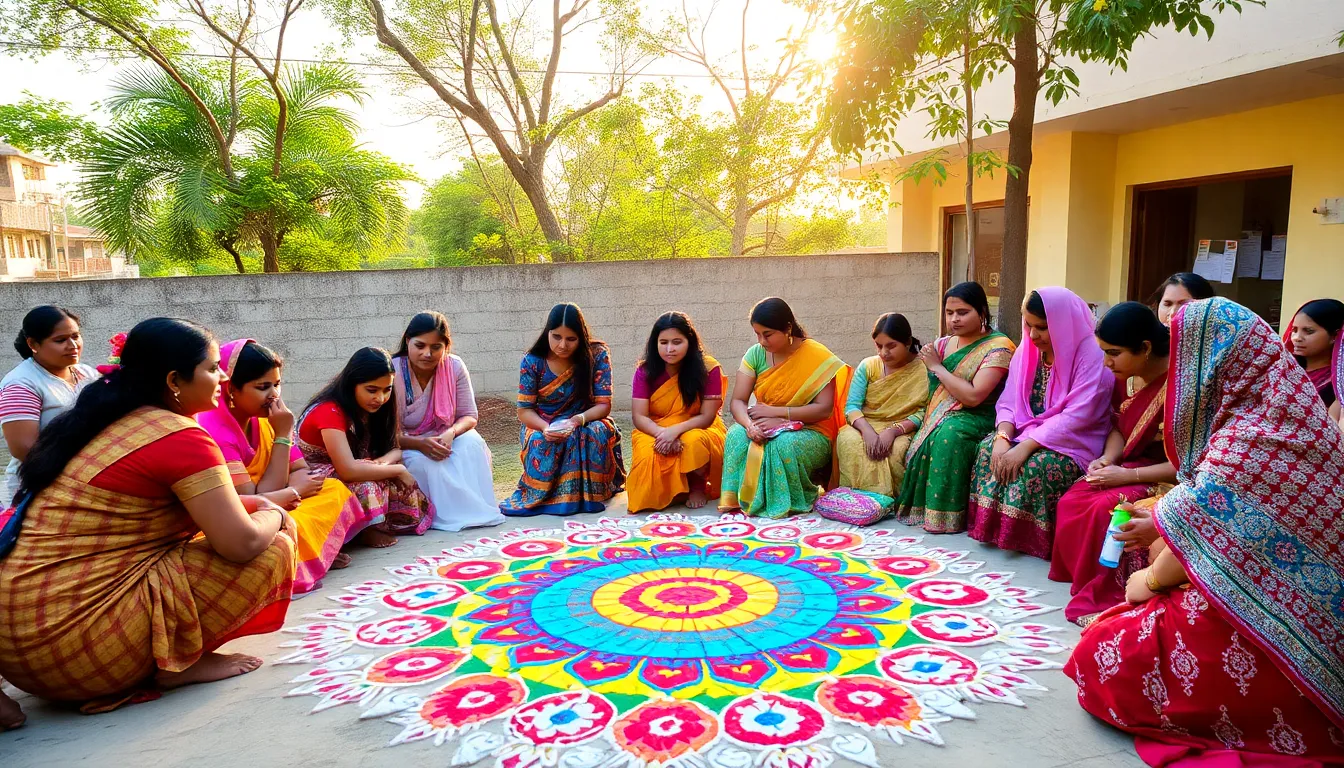
On May 28, 2024, the Siddhapur Health Office in Patan district of Gujarat marked World Menstrual Hygiene Day with a comprehensive awareness campaign aimed at adolescent girls aged 12 to 19. This initiative, led by the Rashtriya Kishor Swasthya Karyakram (RKSK) nodal officer, included health check-ups, educational workshops, and sanitary pad distribution to foster better menstrual hygiene practices. Approximately 60 girls participated, receiving personalised health assessments and hygiene guidance designed to improve their menstrual health and break prevailing social stigmas.
Understand the Awareness Activities Conducted
The event featured multiple activities to engage participants and the local community. A rangoli competition themed around menstrual hygiene symbolised cultural acceptance of menstruation. Following this, a public awareness rally traversed key areas of Siddhapur town, distributing pamphlets and encouraging open conversations about menstrual health. The core of the day involved a workshop where adolescent girls were educated on menstrual hygiene management. Health officials measured weight, height, and haemoglobin levels of participants to assess nutritional status and anemia prevalence, a common concern among adolescent girls in Gujarat.
Sanitary pads were distributed free of cost by the health office, ensuring access to hygienic menstrual products. The workshop emphasised changing sanitary pads or menstrual cups every four to six hours, the importance of using warm water for cleaning, and avoiding scented menstrual products that can cause irritation. Girls were advised to wear clean cotton undergarments and change them regularly to prevent infections. Stress management and adequate hydration during menstruation were also key topics covered. Correct disposal methods for sanitary pads were demonstrated to promote environmental hygiene.
Identify Who Benefits and How
This initiative primarily benefits adolescent girls in rural Patan district, where menstrual hygiene awareness often remains low due to cultural taboos and limited health education. By targeting girls aged 12 to 19, the Siddhapur Health Office addresses a critical developmental period for establishing lifelong hygiene habits. The inclusion of health assessments helps identify anemia and nutritional deficiencies, allowing for timely interventions through local health centres.
Moreover, the involvement of local health staff and officials such as Dr. Rekha Nayak, RKSK nodal officer, and Taluka Health Officer Dr. Rahul, ensures that participants have ongoing access to menstrual health resources. Families and the broader community also benefit from the awareness rally and educational materials, contributing to stigma reduction across Siddhapur and neighbouring villages.
Explain Why the Government Supports This Initiative
The Government of Gujarat endorses such menstrual hygiene awareness programs under the Rashtriya Kishor Swasthya Karyakram (RKSK), a national adolescent health scheme implemented by the Ministry of Health and Family Welfare. RKSK aims to improve adolescent health outcomes by focusing on nutrition, sexual and reproductive health, mental health, and hygiene practices.
According to Gujarat’s Department of Health and Family Welfare, anemia affects over 50% of adolescent girls in districts like Patan, adversely impacting their growth and educational attainment. Menstrual hygiene management is pivotal in addressing anemia and preventing reproductive tract infections. The state’s commitment to menstrual hygiene aligns with national efforts to meet Sustainable Development Goal 3 on good health and well-being.
Additionally, Gujarat’s strategy includes enhancing menstrual hygiene infrastructure in schools and communities, promoting affordable sanitary products, and integrating health education into school curricula. Events like the Siddhapur celebration demonstrate the state’s proactive approach to community health and gender equity.
Review Stakeholder Feedback and Challenges
Health officials and educators in Siddhapur commend the initiative for empowering girls with knowledge and resources. Dr. Rekha Nayak noted that such programs help dismantle myths surrounding menstruation, which often hinder girls from attending school or participating fully in community life.
However, challenges remain. Cultural taboos can limit open discussion among families, and access to menstrual products can still be inconsistent in remote villages. Some stakeholders advocate for expanding the scope of these programs to include boys and men to foster a more supportive environment.
NGOs working in Sabarkantha and Patan districts, such as those involved in World Menstrual Hygiene Day in Sabarkantha and the Rotary Club’s awareness efforts in Patan, emphasize the need for sustained government funding and community engagement to ensure long-term impact.
Apply Practical Takeaways for Menstrual Hygiene
Residents of Siddhapur and surrounding areas can take several concrete steps to improve menstrual hygiene based on this event’s guidance:
- Use sanitary products correctly: Change pads or cups every 4 to 6 hours to prevent infections.
- Maintain cleanliness: Wash genital area with warm water and avoid scented soaps or products that may irritate sensitive skin.
- Wear clean cotton undergarments: Change underwear daily and after bathing to maintain hygiene.
- Dispose of sanitary waste properly: Wrap used pads in paper and discard in designated bins to prevent environmental contamination.
- Monitor health regularly: Visit the nearest government health centre if experiencing severe menstrual pain, excessive bleeding, or signs of anemia.
- Promote awareness: Share menstrual hygiene knowledge with peers and family to help reduce stigma and misinformation.
For ongoing support, adolescent girls can contact Siddhapur Health Office or local Anganwadi centres linked with RKSK for free sanitary pads and health counselling.
Siddhapur, a town with notable historical and cultural significance in Gujarat, exemplifies progressive community health initiatives through this programme. The collaboration between local government bodies, health officials, and the youth underscores a model for other talukas aiming to improve adolescent health outcomes. This event complements similar efforts across Gujarat, such as the Women and Child Health Day celebrated in Patan and public health campaigns in Gandhinagar.
Next Steps for Residents:
- Visit the Siddhapur Health Office to access free sanitary pads and health check-ups.
- Attend local workshops or school programs on menstrual hygiene organised under RKSK.
- Encourage family and community members to support open conversations about menstrual health to reduce stigma.