
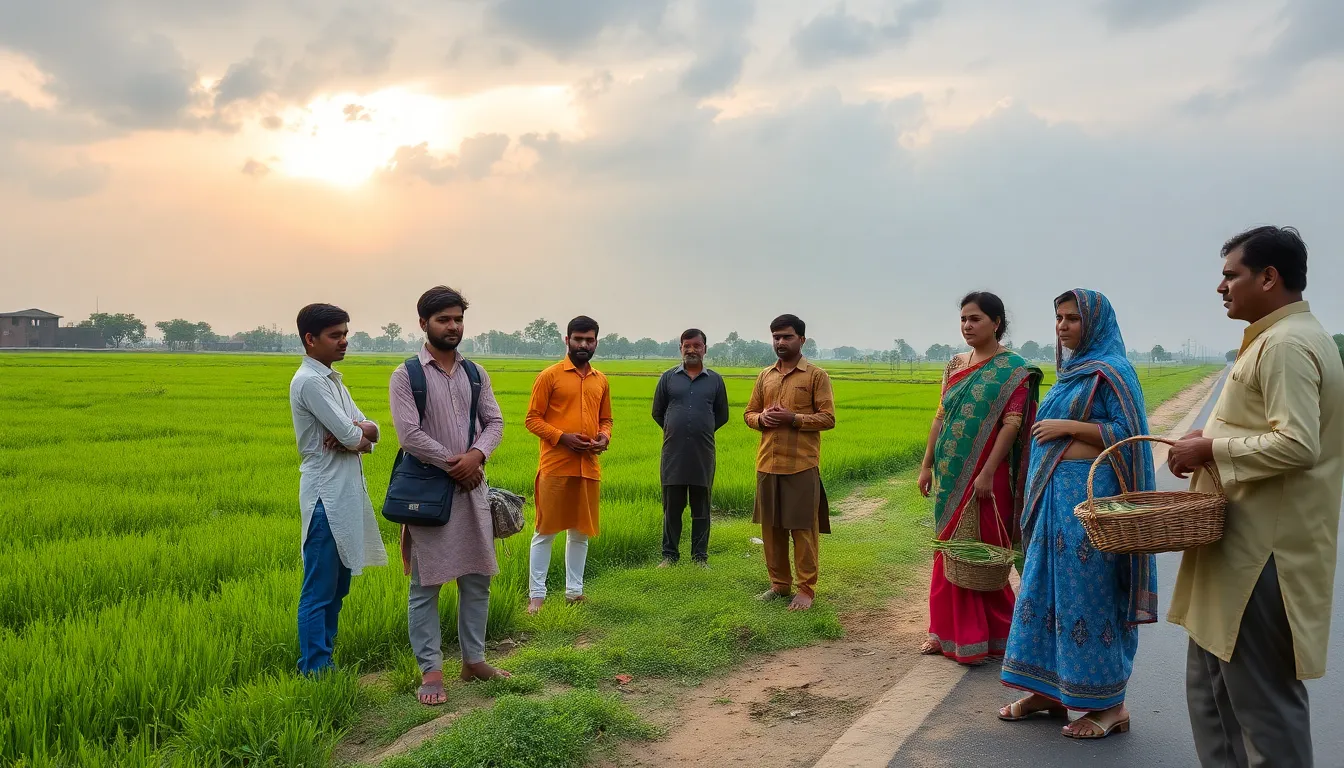
Over 3,000 residents of Singvad Taluka have been affected since June 18, 2024, when the Gujarat State Road Transport Corporation (GSRTC) suspended the bus service on the Patangdi to Piplod route. This disruption has left a significant gap in public transportation, especially impacting students and farmers who depend heavily on this service for daily commuting and the transportation of goods.
5 Key Provisions of the GSRTC Bus Service Policy for Rural Routes
The GSRTC operates several rural bus routes under the Rural Connectivity Enhancement Scheme, aimed at improving mobility in Gujarat’s smaller talukas like Singvad. According to the official GSRTC Circular No. 12/2023 issued in April 2023, the following provisions are central to the bus service:
- Scheduled Daily Operation: Buses on rural routes must operate at least six days a week, with a minimum of two trips in each direction.
- Route Stability: Changes in route or stops require approval from the District Transport Officer (DTO) and consultation with local elected representatives.
- Priority for Student and Farmer Transport: Routes serving educational institutions and agricultural markets are given priority, including subsidized fares.
- Service Modification Protocol: Any rerouting or suspension must be communicated 7 days in advance to local Panchayats and public notices posted at bus stops.
- Feedback Mechanism: GSRTC maintains a grievance redressal cell at the district level, reachable via the Gujarat Transport Department portal.
Despite these provisions, the sudden suspension and rerouting of the Patangdi-Piplod bus line without adequate notice violates GSRTC’s own policies, according to local officials.
3 Groups Most Affected by the Bus Service Disruption
The suspension of the bus service has had a disproportionate impact on specific groups in Singvad Taluka:
- Students: Over 400 students from villages including Navagam, Patangdi, Vaghanala, Khudra, and Limbodar attend schools and colleges in Piplod and Singvad. Many rely exclusively on this bus service, and its absence has led to increased absenteeism and lateness.
- Farmers: Approximately 1,200 farmers use the bus route to transport agricultural produce to markets in Piplod and beyond. The disruption has forced them to seek costly alternative transport, reducing their profit margins.
- Daily Wage Workers and Elderly Residents: Local laborers and senior citizens who depend on affordable public transport for medical visits and work report significant travel difficulties.
The Patangdi Taluka Panchayat has quantified the loss in income and educational setbacks in a recent report submitted to the Tapi District Collectorate, emphasizing the urgency of restoring the service.
4 Reasons Behind GSRTC’s Service Modification in Singvad Taluka
According to official GSRTC sources, the suspension and rerouting stem from logistical and operational challenges:
- Driver Shortage: GSRTC has reported a 15% vacancy rate in driver positions in Tapi district, leading to constraints in maintaining all routes.
- Road Conditions: The Patangdi-Piplod stretch has suffered damage due to the ongoing monsoon, requiring temporary rerouting for safety, as per the Public Works Department (PWD) report dated June 15, 2024.
- Resource Optimization: GSRTC officials claim the route modification aims to consolidate services on higher-demand corridors, although this has been contested by local leaders.
- Communication Gaps: The official notice to local authorities regarding the route change was delayed, contributing to confusion among passengers.
While these explanations indicate operational constraints, the lack of timely communication and consideration for rural commuters’ needs remains a critical issue.
3 Stakeholder Reactions Highlight the Service Gap
Local leaders and residents have voiced strong concerns over the disruption:
- MP Jashvant Singh Bhabhor: In a statement on June 20, 2024, the MP emphasized that the bus service was initiated specifically to aid students and farmers, and called on GSRTC to restore full service immediately.
- MLA Shailesh Bhai Bhabhor: The MLA has requested an urgent meeting with GSRTC district officials, stating that the changes violate commitments made to the community.
- Taluka Panchayat Members: They have unanimously passed a resolution demanding reinstatement of the original route and better communication protocols.
- Community Members: Petitions signed by over 1,000 residents have been submitted to the Tapi District Collectorate, drawing attention to the hardship caused.
These reactions underscore the vital role of stable public transport in rural Gujarat and the community’s expectation for government accountability.
5 Practical Actions Residents Can Take Now
For those affected by the bus service disruption in Singvad Taluka, here are concrete steps to address the issue:
- File Complaints Officially: Register grievances on the Gujarat Transport Department’s online portal or visit the Tapi District Transport Office in Vyara.
- Contact Local Representatives: Reach out to Taluka Panchayat members or the offices of MP Jashvant Singh Bhabhor and MLA Shailesh Bhai Bhabhor to report ongoing issues.
- Explore Alternate Transport: Coordinate with local farmer cooperatives or student groups to arrange shared private transport until the service is restored.
- Stay Informed: Follow official GSRTC announcements and local news updates, including coverage from news.gujarat.in, for the latest on route changes.
- Advocate for Infrastructure Improvement: Support calls for better road maintenance by contacting the Public Works Department through the Tapi district collectorate.
This disruption highlights the critical need for dependable rural transport in Gujarat, similar to challenges faced by other talukas such as Danta Taluka. Meanwhile, new services like the recently launched Siddhpur to Khimat route showcase successful models of connectivity that Singvad could emulate.
Residents of Singvad Taluka are encouraged to remain proactive and united in urging GSRTC and the Gujarat government to prioritise restoring and sustaining vital bus services that underpin education, agriculture, and livelihoods in the region.