
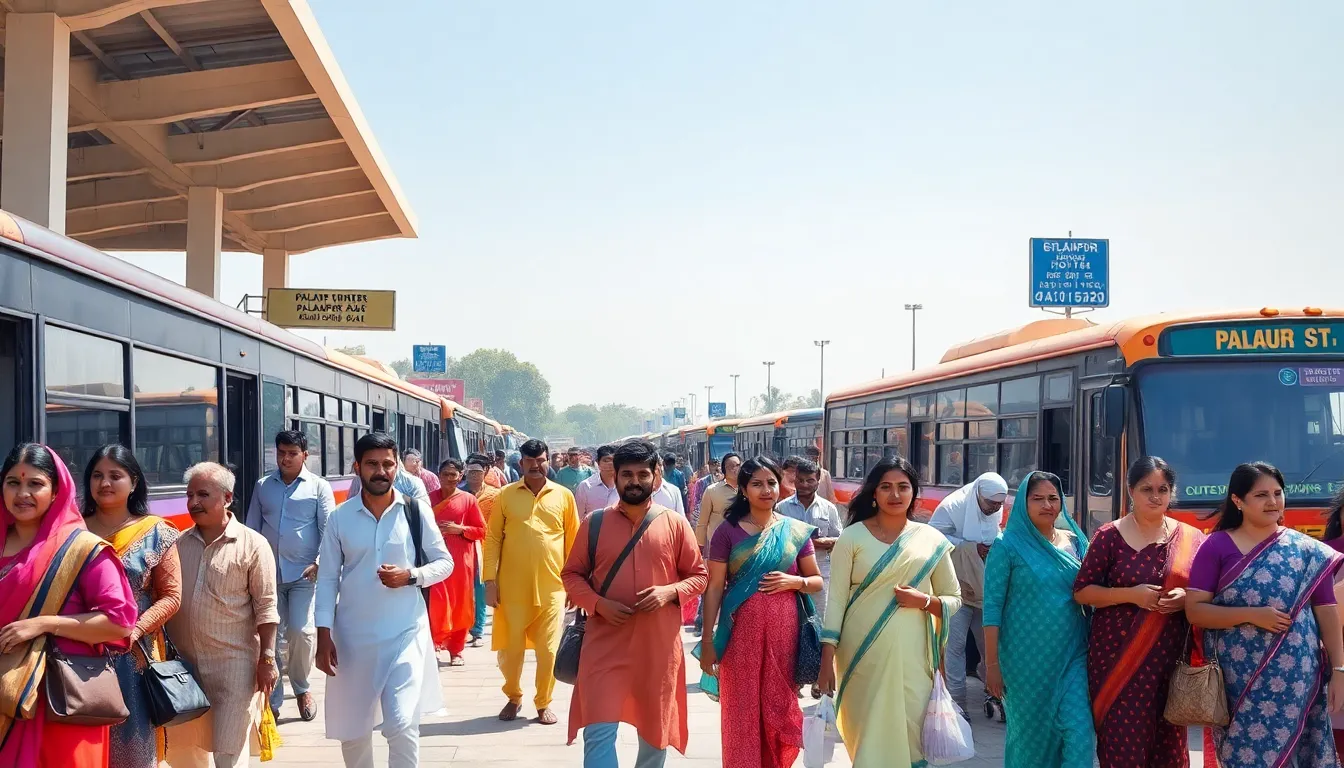
Why has the Palanpur State Transport (ST) department seen a notable surge in revenue during the 2025 summer vacation period? The department’s daily income has risen sharply from ₹69 lakh in 2024 to between ₹80 and ₹82 lakh in 2025, a direct result of increased passenger traffic and efficient service management during the holiday season.
What Is the Full Story Behind This Revenue Increase?
According to official figures released by the Palanpur ST department, passenger numbers have reached 42.54 lakh through 79,500 trips in the current year, generating ₹26.45 crore in revenue. This marks an increase of approximately 1.10 lakh passengers compared to the same period last year. The department reports that the rise is primarily due to higher demand during the summer vacation, with routes connecting Palanpur to key destinations such as Ambaji, Ahmedabad, Dahod, Bhuj, Gandhidham, and Vadodara experiencing the heaviest traffic.
To accommodate this surge, the Palanpur depot has operated over 562 buses daily, including more than 250 additional trips specifically scheduled during the peak travel period. Department officials have highlighted that these extra buses were strategically deployed on high-demand routes to reduce congestion and improve passenger comfort. The increase in operational buses is a clear response to the heightened traveler volume, proving the department’s adaptability and commitment to service quality.
How Does This Increase Fit Into the Historical and Cultural Context of Transport in Palanpur?
Palanpur, located in Banaskantha district, has long been a critical transport hub in North Gujarat, linking rural areas with major cities. The State Transport department has historically played a vital role in facilitating affordable travel options for locals and pilgrims alike. The summer vacation period often sees an influx of travelers visiting religious sites such as Ambaji, one of Gujarat’s most revered temples, which contributes to seasonal spikes in passenger numbers.
The department’s sustained growth also reflects Gujarat’s broader emphasis on public transport as a driver of economic and social connectivity. In recent years, the government has invested in expanding fleet capacity and improving infrastructure, enhancing the reliability of ST buses across districts like Banaskantha, Kutch, and Vadodara. This cultural reliance on state-run buses as an accessible mode of transportation underpins the current success during peak travel seasons.
What Is the Current Status of the Palanpur ST Department’s Operations?
As of June 2025, the Palanpur ST department continues to report robust operational metrics:
- Daily revenue: ₹80-82 lakh, up from ₹69 lakh in 2024
- Total passengers served in 2025: 42.54 lakh
- Total trips operated: 79,500
- Daily buses on road: Over 562, including 250+ extra trips during peak periods
These figures highlight the department’s ability to scale services effectively in response to demand. The focus remains on maintaining affordable fares while ensuring safety and punctuality. According to Deputy Transport Officer Mr. Rakesh Patel, the department is also exploring digital ticketing enhancements and real-time bus tracking to further improve passenger experience.
How Does This Growth Impact the Local Community?
The increased availability of ST buses during summer vacations has significant implications for the Banaskantha district and surrounding areas. It facilitates pilgrimage tourism, boosts local economies in towns like Ambaji and Bhuj, and provides essential connectivity for students and workers traveling to urban centers. Comfortable and accessible transport options encourage more residents to choose public transit over private vehicles, reducing traffic congestion and pollution.
Moreover, the department’s success supports employment for hundreds of drivers, conductors, and maintenance staff based in Palanpur. By expanding routes and frequency, the ST department helps integrate remote communities into Gujarat’s economic mainstream. This local impact resonates with ongoing initiatives by the Gujarat government to enhance public services statewide, as seen in recent efforts by the Gujarat Revenue Department.
How Can Passengers Benefit and Get Involved with Palanpur ST Services?
- Plan Your Travel: Check the Palanpur depot’s official schedules, especially for extra trips on popular routes to Ambaji, Ahmedabad, and Vadodara.
- Book Tickets: Use the Gujarat State Road Transport Corporation (GSRTC) online portal or mobile app for advance booking to avoid last-minute hassles.
- Stay Updated: Follow official announcements on route changes or additional services during festivals or monsoon seasons, which can affect travel plans.
- Provide Feedback: Passengers are encouraged to report service feedback to the Palanpur ST office to help improve operations.
- Support Public Transport: Choosing ST buses helps reduce pollution and traffic, contributing to Gujarat’s environmental goals, especially relevant during rains when incidents like the Palanpur protection wall collapse highlight infrastructure challenges.
The Palanpur ST department’s performance during this summer vacation period underscores the importance of continued investment in public transport infrastructure and service innovation. With rising passenger numbers and revenue, the department is positioned to enhance connectivity across Gujarat’s northern districts, supporting economic growth and social mobility.
Official Resources: For more information on schedules, fares, and services, passengers can contact the Palanpur ST department helpline at +91-2725-234567 or visit the GSRTC website at gsrtc.in. Updates and announcements are also available at the Banaskantha District Transport Office in Palanpur.