
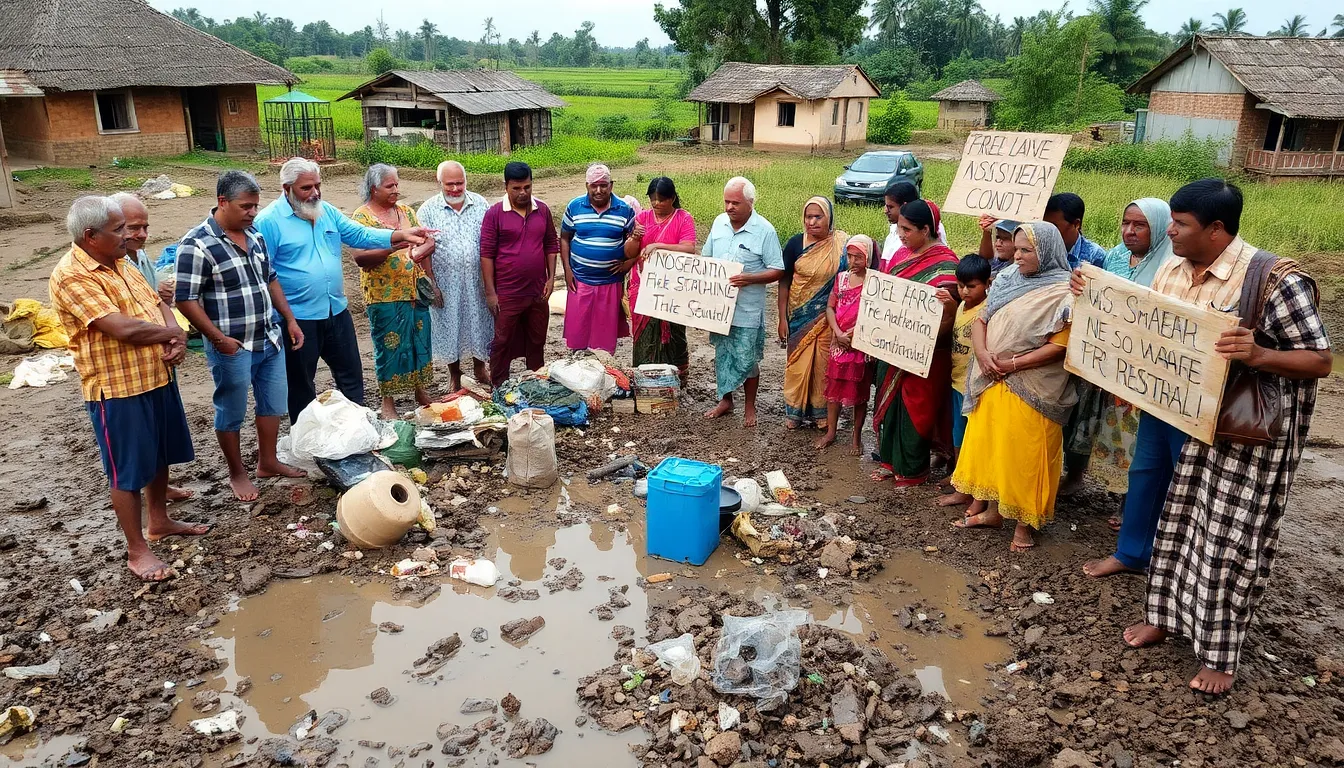
On June 15, 2024, the residents of Vejalpur village in Kalol Taluka, Gandhinagar district, intensified their demand for immediate government intervention over the deteriorating sanitation conditions, particularly concerning the Maldaari Hajee’s garden area. This long-standing issue has escalated during the current monsoon season, with stagnant rainwater and accumulated garbage creating a public health hazard. Despite repeated complaints to the Vejalpur Village Panchayat, the situation remains unchanged, prompting villagers to consider escalating their protest to higher administrative levels.
What the Sanitation Policy Actually States for Village Panchayats
The Gujarat State Government’s Village Panchayat Sanitation and Public Health Policy 2022 outlines clear responsibilities for local bodies like the Vejalpur Village Panchayat. According to the policy, each panchayat is mandated to ensure timely garbage collection, proper drainage maintenance, and regular cleaning of public spaces to prevent waterlogging and vector-borne diseases. The policy is administered under the Department of Rural Development, Gujarat, and supported by the Swachh Bharat Mission (Gramin) objectives.
The policy requires panchayats to:
- Conduct weekly garbage clearance drives in residential and public areas.
- Maintain open drainage channels and fill potholes to avoid water stagnation.
- Implement mosquito control measures, especially during monsoon months.
- Establish grievance redressal mechanisms allowing residents to report sanitation issues effectively.
- Coordinate with the District Health Office for regular inspections and action plans.
Failure to comply may result in penalties as per the Gujarat Panchayat Act, 1993, including fines and administrative warnings.
Who Is Affected and How the Current Sanitation Lapse Impacts Vejalpur Residents
The immediate victims of the unclean conditions are the approximately 3,500 residents of Vejalpur village, especially those living near Maldaari Hajee’s garden. The accumulation of garbage mixed with rainwater has created muddy, unhygienic pools that pose serious health risks. Children attending local schools in Kalol Taluka face difficulty commuting through these contaminated areas, increasing their exposure to waterborne diseases such as dengue, malaria, and leptospirosis.
Senior citizens and persons with disabilities are particularly vulnerable, with muddy pathways and slippery surfaces heightening the risk of falls and injuries. Local vendors and small businesses around the garden report a decline in customers due to the foul smell and unsightly conditions. The stagnant water has also become breeding grounds for mosquitoes, exacerbating public health concerns during the monsoon season.
Furthermore, residents allege that the prolonged inaction by the village panchayat undermines trust in local governance and hampers overall community well-being.
Why the Government Mandated Stronger Sanitation Measures for Villages Like Vejalpur
The Gujarat government has prioritized rural sanitation as part of its broader public health strategy. According to the Department of Rural Development, over 2,000 villages in Gujarat have reported sanitation-related complaints in the past year, with Kalol Taluka ranking among the districts with moderate to high sanitation risk.
Monsoon seasons amplify sanitation challenges due to heavy rains causing water logging and garbage overflow. These conditions contribute to seasonal outbreaks of vector-borne diseases, burdening local healthcare facilities. The government’s strengthened policies aim to curb these risks through proactive community hygiene management, improved drainage infrastructure, and enhanced public awareness campaigns.
Kalol Taluka’s Health Officer, Dr. Rajesh Patel, stated in a recent press briefing that “Effective local governance and community participation are crucial to preventing health hazards from poor sanitation. The government is committed to supporting village panchayats to fulfill these duties with adequate resources and guidance.” The government also encourages use of digital grievance portals and mobile apps to facilitate real-time complaint tracking.
What Critics and Stakeholders Say About the Sanitation Situation in Vejalpur
Local residents have openly criticized the Vejalpur Village Panchayat for neglecting their responsibilities despite multiple verbal and written complaints. A written petition submitted on June 10, 2024, to the Gandhinagar District Collector’s Office accuses the panchayat of “gross negligence” and calls for immediate corrective measures. The petition warns of potential legal action if the panchayat fails to act, citing the risk of injury and disease transmission.
Social activists from Kalol have also voiced concern, urging the Panchayat to align with the Swachh Bharat Mission’s goals. Mr. Hitesh Mehta, president of the Kalol Rural Health Forum, emphasized, “Ignoring sanitation issues during monsoon is a public health emergency. The panchayat must engage with residents and deploy resources without delay.” Similar public outcries have been reported in other parts of Gujarat, such as the Residents of Wards 8 and 10 demand action on garbage issues in urban sectors, highlighting a wider state-level pattern.
Conversely, some panchayat officials cite budget constraints and manpower shortages as obstacles in maintaining optimal sanitation, requesting additional funding from the Rural Development Department.
What This Means for Vejalpur Residents and Steps to Take
Residents of Vejalpur should remain vigilant and continue documenting sanitation issues with photographs and written records. They can escalate complaints through the official Gujarat Rural Sanitation Grievance Portal, managed by the Department of Rural Development, or contact the District Collector’s office directly for urgent attention.
For practical sanitation improvements, the following steps are recommended:
- Regularly report sanitation lapses via official channels to ensure accountability.
- Organize community clean-up drives in cooperation with local NGOs to maintain hygiene.
- Engage with the Panchayat by attending Gram Sabha meetings and raising sanitation concerns.
- Seek support from district health officials for mosquito control and water drainage solutions.
- Promote awareness among residents about waste segregation and proper disposal methods.
Village panchayats across Gujarat, including Vejalpur, are reminded of their legal obligations under the Gujarat Panchayat Act and the Swachh Bharat Mission. Immediate and sustained action is essential to prevent health hazards and improve quality of life.
Similar sanitation challenges have been reported in other Gujarat regions, such as Disa, where citizens are demanding action against corruption in the local municipality affecting public services (Disa Citizens Demand Action Against Corruption in Local Municipality), underscoring the need for transparent governance.
Bottom Line: The ongoing sanitation crisis in Vejalpur village poses significant health and safety risks, demanding urgent intervention from the village panchayat and district authorities. Residents should actively engage with local governance structures and utilize official complaint mechanisms to drive timely improvements.