
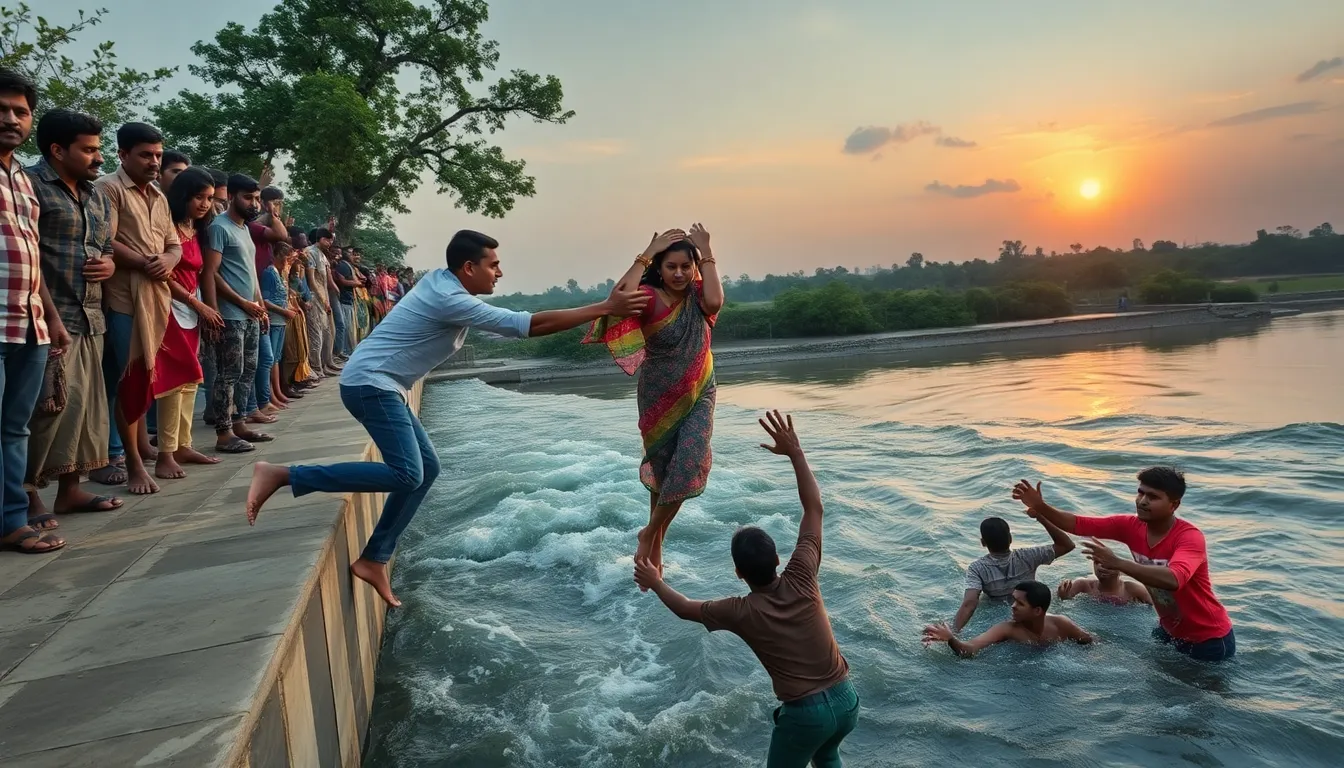
On April 12, 2024, a critical incident occurred at the Mahisagar Bridge near Sevaliya village in Lunawada taluka, Mahisagar district, when a woman attempted to commit suicide by jumping into the Mahisagar River. The attempt was foiled by local residents whose timely intervention saved her life. This event has sparked urgent conversations about mental health awareness and the need for enhanced support systems in rural Gujarat.
3 Key Facts About the Incident at Mahisagar Bridge
- The woman climbed over the bridge railing at approximately 6:30 PM.
- Local villagers and passersby quickly intervened, attempting to pull her back.
- Despite falling into the river during the struggle, she was rescued and taken to the Government Civil Hospital in Godhra.
The Mahisagar Bridge is a critical link on National Highway 59, which connects Sevaliya to other parts of Gujarat and beyond. The prompt rescue effort by villagers, some of whom risked their own safety, highlights the strong community spirit prevalent in this largely agrarian region.
5 Groups Most Affected by Suicide Attempts in Rural Gujarat
- Women: Particularly in villages like Sevaliya, women face social pressures and limited access to mental health resources.
- Farmers: Agricultural distress due to erratic weather and market fluctuations contributes to psychological stress.
- Youth: Lack of employment opportunities and education access can lead to feelings of hopelessness.
- Families: Suicide attempts affect familial stability and often highlight underlying domestic issues.
- Healthcare Providers: Rural hospitals like the Civil Hospital in Godhra face challenges treating trauma and mental health emergencies.
4 Reasons Why Gujarat Needs Enhanced Rural Mental Health Policies
- High Suicide Rates: According to the National Crime Records Bureau 2022 data, Gujarat reported over 1,200 suicides in rural districts, with mental health a significant factor.
- Limited Access to Care: Mahisagar district currently has only one government hospital with basic psychiatric services, insufficient for the area’s 1.5 million population.
- Stigma and Awareness: Mental health remains a taboo topic in many Gujarat villages, preventing early intervention.
- Need for Community Training: Villagers often lack training to recognize and respond to mental health crises, as seen in this incident.
6 Perspectives From Officials and Experts
The Mahisagar District Health Officer, Dr. Rajesh Patel, commented, “This incident underscores the urgent need for mental health outreach in rural regions. We are working with the Gujarat State Mental Health Authority to increase awareness and provide training for frontline workers.” Meanwhile, local NGO Sankalp, which focuses on mental health, advocates for installing helpline kiosks at key transit points like bridges and highways.
Some critics argue that Gujarat’s focus on infrastructure projects like those under PMGSY-III has overshadowed investments in social welfare programs, including mental health services. They call for balanced development that prioritizes both physical and psychological well-being.
4 Practical Steps for Gujarat Residents and Authorities
- Recognize Warning Signs: Family members and neighbors should be alert to behavioral changes such as withdrawal, mood swings, or verbal cues.
- Use Local Resources: Contact district health centers or NGOs like Sankalp for counseling support.
- Promote Awareness Campaigns: Community leaders in Lunawada and surrounding talukas should organize mental health workshops and school programs.
- Emergency Response Training: Villagers near vulnerable spots like the Mahisagar Bridge should receive training in suicide prevention and first aid.
This incident also echoes the importance of community vigilance seen in other tragic events across Gujarat, such as the Piplod railway crossing accident and the family suicide attempt in Vadodara. It is a call for collective action, combining government efforts with grassroots participation.
Sevaliya village, with its population primarily engaged in agriculture, including maize and millet cultivation, represents the typical socio-economic fabric of Gujarat’s rural districts. The local panchayat office and primary school are potential hubs for disseminating mental health education and support services.
Next Steps for Readers:
- First, if you or someone you know is struggling with mental health issues, reach out to the nearest government hospital or mental health NGO in Mahisagar district.
- Second, participate in or organize community awareness programs in Sevaliya and neighboring villages to destigmatize mental health discussions.
- Third, advocate to local elected representatives for increased funding and infrastructure dedicated to rural mental health care.