
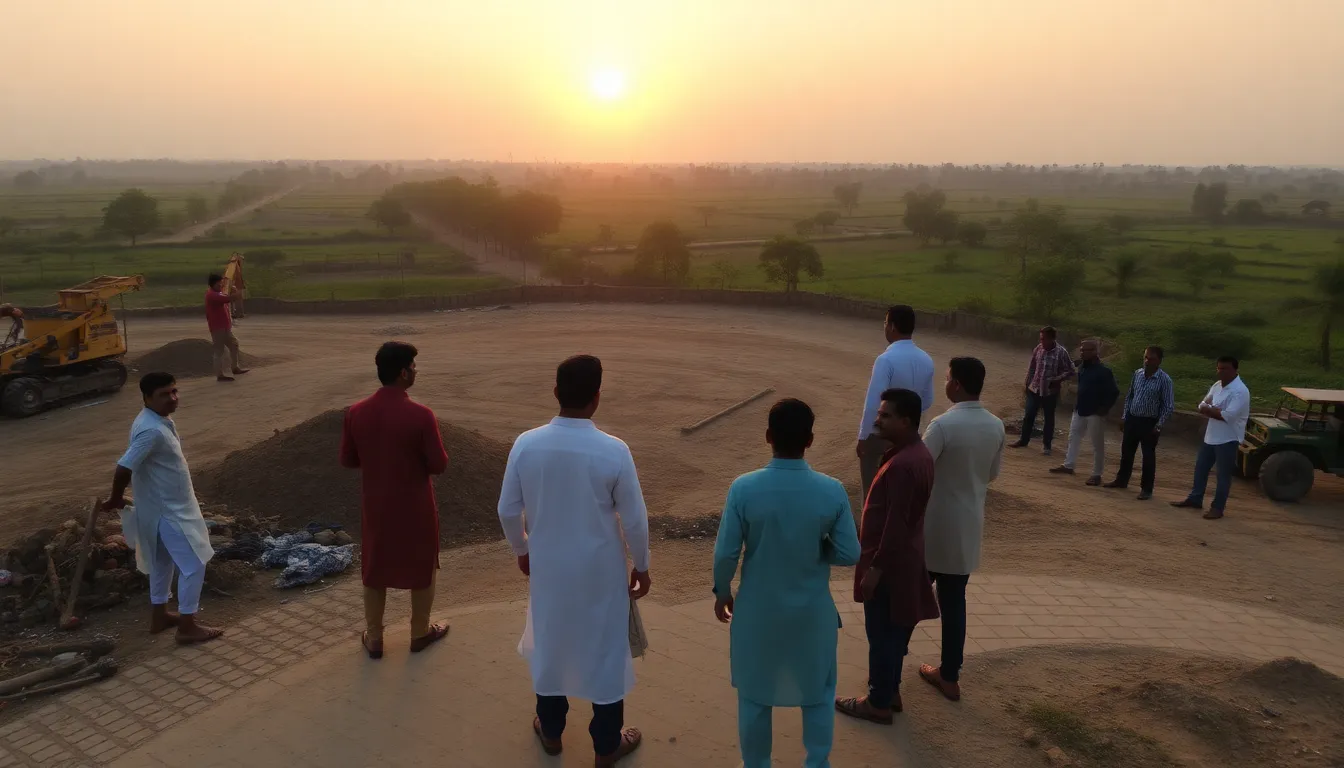
What is the new animal sanctuary project in Junagadh, Gujarat, and what does it entail? The Gujarat government is developing a new animal sanctuary on 450 acres of land along Vasna Road in Junagadh district, aiming to become the largest animal sanctuary in the state with a project cost of approximately ₹300 crore.
5 Key Project Details about the Junagadh Animal Sanctuary
The sanctuary project covers 450 acres of land identified under revenue survey number R24. The state government has earmarked a budget of ₹300 crore for development, intending to surpass the size and scale of the existing Kankaria animal sanctuary in Ahmedabad.
The planned sanctuary will include a safari park and dedicated habitats for various wildlife species native to Gujarat. The project is scheduled for phased completion, with initial land clearance and encroachment removal already underway as of June 2024. Local authorities and the Junagadh district administration are overseeing the project, with support from the Gujarat Forest Department and the district collector’s office.
The sanctuary aims to integrate eco-tourism with wildlife conservation, providing educational facilities and visitor amenities to attract tourists from within Gujarat and across India.
3 Districts and Areas Impacted by the Sanctuary Development
The sanctuary is located in Junagadh district, situated in the Saurashtra region of Gujarat. Its proximity to the town of Junagadh city enhances accessibility for tourists and local residents.
Additionally, the project is expected to contribute to the broader regional wildlife tourism circuit that includes Banaskantha district’s Jessore Rhino Sanctuary and Ambaji’s eco-tourism sites. This interconnected network aims to boost ecological awareness and sustainable tourism across multiple districts.
The sanctuary’s location on Vasna Road places it strategically near agricultural zones, requiring careful coordination to balance land use for agriculture and conservation.
4 Ways the Sanctuary Will Benefit Junagadh Citizens
- Employment Generation: Construction, maintenance, and tourism operations are expected to create several hundred direct and indirect jobs for local residents.
- Tourism Boost: The sanctuary will attract nature enthusiasts and tourists, increasing revenue for local businesses such as hotels, restaurants, and transport services.
- Wildlife Conservation: By safeguarding habitats for native species—including those related to the Asiatic lion population documented in Gujarat—the sanctuary supports biodiversity preservation.
- Environmental Education: Facilities within the sanctuary will offer educational programs for schools and visitors, enhancing awareness about wildlife and ecological balance.
3 Current Status Updates and Upcoming Milestones
As of June 2024, local authorities have initiated clearing of agricultural and non-agricultural encroachments on the designated land, under police supervision to ensure safety and order. Notices and hearings are planned to address remaining residential encroachments in the near future.
The Junagadh rural mamlatdar confirmed these actions align with directives from the district collector’s office. Following land clearance, construction of infrastructure such as fencing, safari roads, and visitor centers will commence.
The Gujarat Forest Department expects the sanctuary to open to the public by late 2025, pending successful completion of all development phases and ecological assessments.
4 Reasons Why Gujarat Needed a New Animal Sanctuary in Junagadh
Gujarat is home to diverse wildlife, including the critically important Asiatic lion population, which recently reached 891 individuals according to official census data. Existing sanctuaries such as the Barada Wildlife Sanctuary face increasing pressure from tourism and habitat fragmentation.
The new sanctuary in Junagadh aims to alleviate this pressure by providing additional protected habitat and expanding conservation efforts in the Saurashtra region.
Moreover, the sanctuary supports Gujarat’s sustainable tourism initiatives by linking with other ecological sites to form a comprehensive wildlife tourism circuit, enhancing economic opportunities while prioritizing environmental protection.
Finally, the project addresses the urgent need to reclaim encroached land and restore ecological balance in areas affected by agricultural and residential expansion.
Bottom Line: The Junagadh animal sanctuary project represents a ₹300 crore investment set to enhance wildlife conservation, boost tourism, and generate local employment in Gujarat. Citizens and visitors should stay informed about public access dates and participate in eco-tourism opportunities to support Gujarat’s natural heritage.