
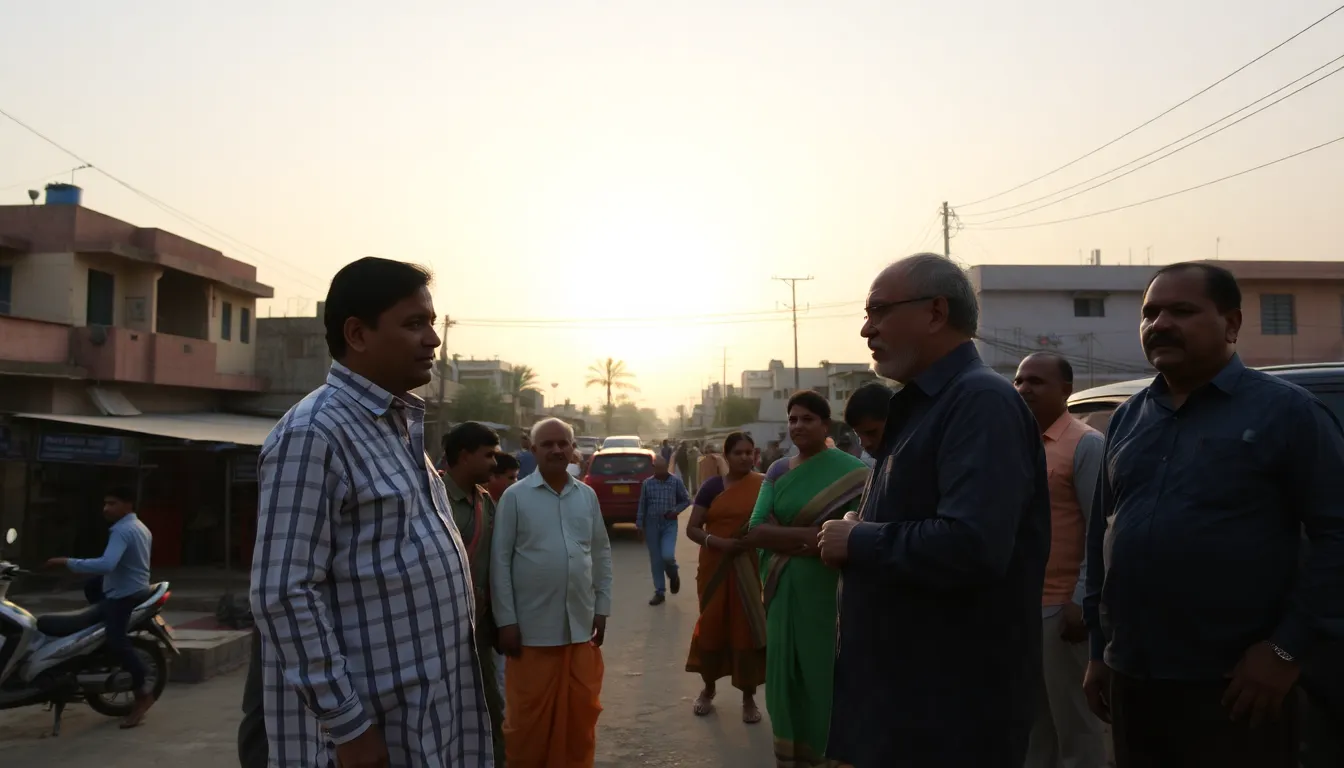
The recent postponement of the Operation Shield mock drill in Gujarat has significant implications for residents, local administrations, and civil defense volunteers across the state. Initially planned for May 29, 2024, in Gandhinagar and several other districts, this drill was designed to enhance the preparedness of communities against potential security threats emanating from the western border. The deferment affects not only the state capital but key districts including Banaskantha and Patan, where similar drills were scheduled. The delay raises concerns around emergency readiness among local populations and officials alike.
What Is the Full Story Behind the Operation Shield Postponement?
Operation Shield is a civil defense exercise initiated by the Gujarat government with support from the Ministry of Home Affairs, Government of India. It aims to simulate scenarios such as air raids, drone intrusions, and missile attacks to improve coordination between district administrations, police forces, and community volunteers. The mock drill was set to be conducted in Gandhinagar, Banaskantha, Patan, and Sabarkantha districts on May 29, 2024.
On the evening of May 28, 2024, the Gujarat Disaster Management Authority (GDMA) officially announced the postponement, attributing the decision to administrative reasons conveyed by the central government. This directive also impacted parallel exercises in Rajasthan and Punjab. The GDMA assured the public that a new schedule for the drill would be communicated shortly. The postponement follows the previous Operation Shield exercise held on May 7, 2024, which revealed critical gaps in civil defense infrastructure and volunteer training.
District Magistrates and Home Department officials across Gujarat had mobilized resources, including training sessions and awareness campaigns. For example, Banaskantha district authorities had prepared extensive community engagement programs, as reported in the Mock Drill Scheduled in Banaskantha District for Operation Shield. Similarly, Patan district was gearing up for its drill, focusing on rapid evacuation procedures and emergency medical response, as detailed in the Mock Drill of Operation Shield Scheduled in Patan District.
Why Does Historical and Cultural Context Matter for Operation Shield?
Gujarat’s strategic location along India’s western border with Pakistan makes it a critical area for civil defense preparedness. The state shares a 532 km border with the Pakistani province of Sindh, encompassing sensitive districts like Gandhinagar, Banaskantha, and Sabarkantha. The region has witnessed heightened security concerns following military operations such as Operation Sindoor, which targeted terrorist infiltration attempts.
Historically, Gujarat has balanced rapid economic growth with security vigilance. Civil defense drills like Operation Shield build upon the state’s legacy of community resilience, drawing from experiences during the 2001 earthquake and past communal tensions. These exercises also align with Gujarat’s commitment to national security, as articulated by the state Home Ministry and corroborated by the Gujarat Police Training Academy in Gandhinagar.
Culturally, Gujarat’s diverse communities, including urban centers like Ahmedabad and rural areas in Banaskantha and Patan, depend heavily on coordinated emergency response mechanisms. Drills foster a sense of collective responsibility, ensuring that residents, from Sabarkantha’s Himmatnagar region (where a recent Civil Defence Mock Drill Held in Himmatnagar, Sabarkantha) drill, to Gandhinagar’s urban population, are prepared for crises.
What Is the Current Status of Operation Shield in Gujarat?
As of June 1, 2024, the Government of Gujarat’s Disaster Management Authority has not yet announced a revised date for Operation Shield. The agency continues to liaise with the Ministry of Home Affairs for clearances. Meanwhile, district officials in Banaskantha and Patan are maintaining readiness, conducting localized training and awareness programs to keep volunteers engaged.
According to official sources, the postponement is to ensure compliance with broader security protocols and to incorporate lessons learned from prior drills. The GDMA has emphasized that civil defense readiness remains a priority, especially amid ongoing geopolitical tensions along the India-Pakistan border. The government is also working to integrate new technology, such as drone detection systems and enhanced communication tools, into future exercises.
While the delay has disappointed some community members, authorities stress that the extra preparation time is intended to improve the scope and effectiveness of the drill. The state Home Minister, Mr. Harsh Sanghavi, stated in a briefing on May 30 that “the safety of Gujarat’s citizens is paramount, and Operation Shield will be conducted with full rigor at the earliest opportunity.”
How Does the Postponement Affect Local Communities in Gujarat?
For residents of Gandhinagar, Banaskantha, and Patan districts, the postponement means a temporary pause in hands-on training that could sharpen emergency response skills. Community volunteers, many of whom have undergone preliminary training and were scheduled to participate actively, face uncertainty regarding future involvement. Local schools, hospitals, and municipal bodies that had planned coordinated drills must adjust their calendars accordingly.
The postponement also impacts public awareness campaigns designed to educate citizens on safety protocols during air raids or missile threats. However, some districts like Banaskantha have continued smaller-scale preparedness initiatives to sustain momentum. The importance of these drills is underscored by recent intelligence reports on potential cross-border threats, making community readiness vital.
Despite the delay, officials encourage residents to review emergency procedures, maintain emergency kits, and stay alert for official announcements. The government’s emphasis on inclusive participation means that all demographic groups, including women’s self-help groups and youth organizations, are urged to remain engaged.
How Can Gujarat Residents Get Involved or Stay Informed About Operation Shield?
- Monitor Official Channels: Residents should regularly check updates from the Gujarat Disaster Management Authority (GDMA) website and district administration portals for announcements on new drill dates.
- Register as Volunteers: Interested individuals can enroll as civil defense volunteers through their respective District Collector offices or online via the GDMA’s official website (https://gdma.gujarat.gov.in).
- Participate in Local Training: Districts like Banaskantha and Patan continue to hold smaller preparedness workshops. Attending these sessions will strengthen individual and community readiness.
- Stay Educated on Emergency Protocols: Access resources and guides provided by the Gujarat Home Department to understand procedures during air raids, drone attacks, or missile threats.
- Engage with Community Groups: Join neighborhood safety committees or local NGOs focused on civil defense to contribute actively.
For detailed information and updates, contact the Gandhinagar District Collector’s Office at +91-79-23256000 or the Gujarat State Police Headquarters at +91-79-232-13000. Residents may also visit the Mock Drill to Be Held in Banaskantha District Under Operation Shield page for localized insights.