
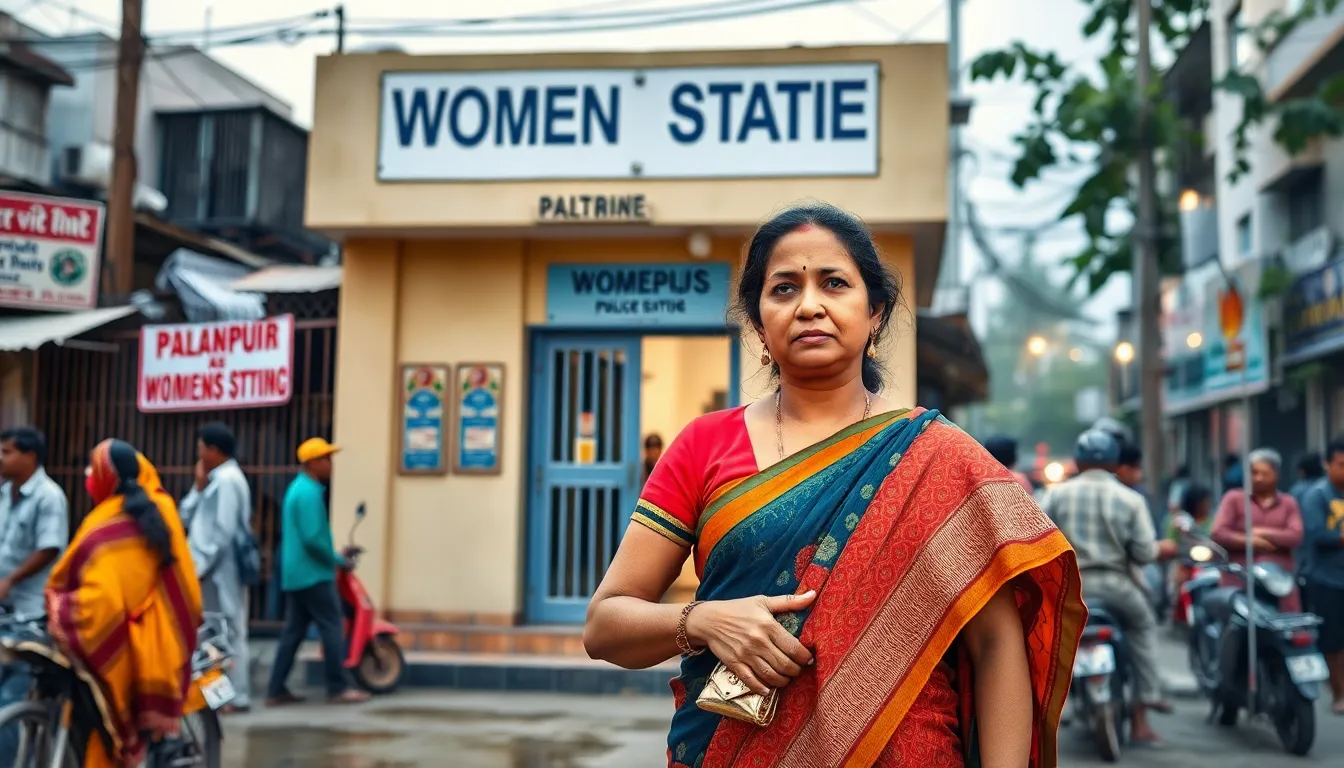
On June 15, 2024, a distressing case surfaced in Palanpur, Banaskantha district, when Rukshana Banu, a 27-year-old mother of two, filed a formal complaint against her husband, Bilal Bhai, and four members of her in-laws’ family for sustained physical and mental abuse. The couple, married in 2021, appeared to have a peaceful start but soon Rukshana discovered unsettling truths that changed the course of her married life.
Understand the Legal Provisions Against Domestic Abuse
Rukshana’s complaint invoked the Protection of Women from Domestic Violence Act, 2005, widely enforced by the Gujarat State Commission for Women and local police stations such as the Palanpur Women’s Police Station. This Act defines domestic violence broadly, including physical, emotional, verbal, and economic abuse. Under the Act, victims can seek protection orders, residence rights, and monetary relief.
Specifically, Section 12 of the Act allows courts to issue protection orders to prevent the abuser from committing further violence or contacting the victim. Section 18 empowers the courts to provide monetary relief to meet expenses incurred due to violence. The Palanpur Women’s Police Station, under the Banaskantha District Police, has been proactive in registering domestic violence complaints, as per the directives from the Gujarat Home Department’s 2023 circular aimed at strengthening victim protection.
Identify Who Is Affected and How
Domestic violence affects women across Gujarat, with rural districts like Banaskantha reporting approximately 3,400 cases annually, according to the Gujarat Police Crime Records Bureau 2023 data. In urban areas such as Ahmedabad and Vadodara, the numbers are higher but visibility and reporting are comparatively better due to awareness programs.
Rukshana’s case exemplifies how women in semi-urban and rural regions face compounded challenges: limited awareness of legal rights, social stigma, and economic dependence. Bilal Bhai’s concealment of his two prior marriages not only violates marital transparency norms but also reflects the patriarchal practices impacting women’s autonomy in districts like Palanpur.
Women suffering abuse often experience severe mental health issues, including depression and anxiety disorders, as reported by the Gujarat State Mental Health Program. The psychological toll is exacerbated when abuse is coupled with deceit and social isolation, as in Rukshana’s situation.
Explain Why Authorities Emphasize Domestic Abuse Laws
The Gujarat government has intensified efforts to curb domestic violence following alarming statistics and tragic incidents such as the Ahmedabad suicide case in 2023. The Home Department has issued multiple advisories to district police chiefs mandating sensitivity training and faster response times to domestic violence complaints.
The impetus behind these measures includes recognizing the link between domestic abuse and broader social issues such as gender inequality and public health. The Gujarat State Commission for Women conducts regular workshops, including in Banaskantha and Patan districts, educating women about their rights under the Domestic Violence Act and the importance of early complaint filing.
Present What Stakeholders and Critics Say
While victim advocacy groups like the NGO ‘Mahila Suraksha’ in Palanpur laud the Gujarat police’s proactive stance, they caution that systemic challenges remain. According to Mahila Suraksha director, Meera Patel, “Many women fear social ostracism and economic repercussions, especially in conservative districts like Banaskantha. More accessible support systems and legal aid are urgently needed.”
Conversely, some local leaders argue that increased legal action may disrupt traditional family structures. However, Gujarat’s Women and Child Development Department counters that protecting women’s rights is essential for societal progress and aligns with the state’s vision of inclusive development.
Legal experts from Gujarat University’s Law Department emphasize strengthening the implementation of the Domestic Violence Act through better police training and victim counseling. They also advocate for sustained public awareness campaigns tailored to rural populations.
Outline What You Should Do if Affected
- Recognize Abuse: Physical violence, emotional manipulation, verbal insults, and economic control are all forms of domestic abuse.
- Document Evidence: Maintain records of injuries, abusive messages, and witness accounts.
- Approach Local Authorities: File a complaint at the nearest Women’s Police Station, such as the Palanpur Women’s Police Station, which has specialized officers for domestic violence cases.
- Seek Medical and Psychological Support: Visit government hospitals like the Palanpur Civil Hospital which provide free counseling and treatment.
- Contact NGOs: Organizations like Mahila Suraksha offer legal aid and shelter services.
- Use Helplines: Gujarat’s women’s helpline 181 is available 24/7 for immediate assistance.
- Understand Your Rights: The Protection of Women from Domestic Violence Act provides legal safeguards; consult legal aid cells in district courts or the Gujarat State Legal Services Authority.
Rukshana’s courageous step to report abuse serves as a critical reminder that silence perpetuates violence. Her case is currently under investigation, with Banaskantha District Police promising strict action against the accused.
For related cases and awareness, see Palanpur Woman Reports Sexual Harassment Case and stay informed about safety in your community.
Bottom Line: Domestic violence remains a pressing issue in Gujarat’s districts like Banaskantha; victims must leverage legal protections and support systems actively. If you or someone you know faces abuse, contact the Palanpur Women’s Police Station or Gujarat’s 181 helpline immediately.